Sodium and Kids
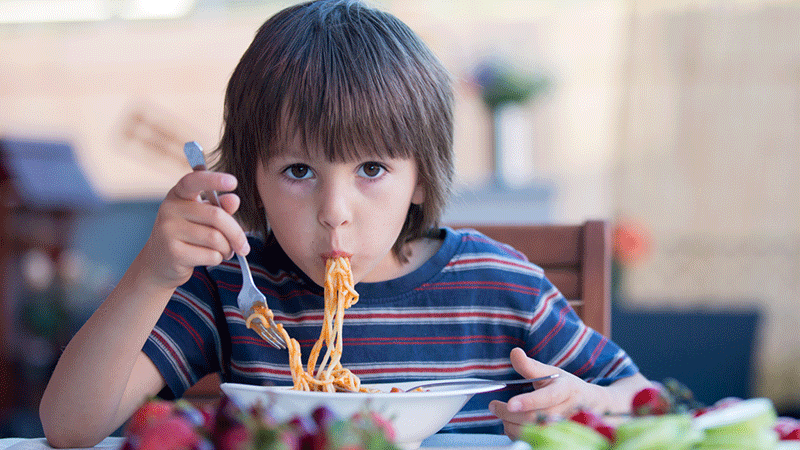
Most kids eat too much salt, hurting their heart health. But you can set them on a healthier path from the start.
How much sodium are children and youth in the U.S. eating?
On average, children ages 2 to 19 eat nearly 2,800 milligrams (mg) of sodium per day — over 20% more than the American Heart Association recommends (less than 2,300 mg/day with an ideal limit of less than 1,500 mg/day). The older children get, the more calories and sodium they tend to eat.
On average, males ages 12 to 19 eat 3,513 mg a day; females in the same age group eat about 2,649 mg a day.
Where do kids get their sodium?
Children ages 6 to 18 get about:
- 15% from breakfast
- 30% from lunch
- 39% from dinner
- 16% from snacks
Most of the sodium that children eat comes from processed, packaged and prepared foods commonly found in grocery stores and restaurants.
The top foods that contribute to excess sodium in the diets of U.S. children:
- Pizza
- Bread and rolls
- Cold cuts and cured meats
- Sandwiches
- Cheeseburgers
- Snacks (chips, pretzels)
- Cheese
- Chicken (patties, nuggets and tenders)
- Mixed pasta dishes such as spaghetti
- Mexican dishes such as burritos and tacos
- Soups
Some food manufacturers and restaurants make lower-sodium versions of the same food. Make healthier food choices for your children by reading the Nutrition Facts label to compare sodium content among different brands.
How can too much sodium hurt my child’s health?
Eating too much sodium is associated with higher blood pressure in children and teens. Kids with high-sodium diets are about 20% more likely to have elevated blood pressure than kids with lower-sodium diets. High blood pressure in childhood can also result in early development of heart disease and may increase risk for stroke.
Also, high blood pressure in childhood is linked to high blood pressure in adulthood. But preventing high blood pressure can be as simple as helping them eat less sodium.
How can I help reduce the sodium my kids get?
Start young! Our taste preferences for salt are shaped by what we eat early in life. Kids may not prefer so much salt if they’re given foods with less sodium from an early age.
- Make healthy swaps. Try substituting lightly salted nuts for salted nuts or reduced-sodium and no-salt-added beans for regular canned beans (or combining half regular with lower-sodium versions). Your kids may not even notice the difference if you gradually reduce the sodium in your family’s meals and snacks a little at a time.
- Model healthy eating. Use the American Heart Association’s diet and lifestyle recommendations as a guide.
- Involve your kids when you prepare healthy meals. Try some of our heart-healthy recipes for kids.
- Ask your grocery manager to offer your family’s favorite foods in versions with less sodium. And look for the Heart-Check mark to help create a heart-healthy eating plan.
- Look up nutrition information online before you go out to eat to find healthier choices.
- Support changes that will lead to healthier meals in child-care centers and schools.


