How Much Sugar Is Too Much?
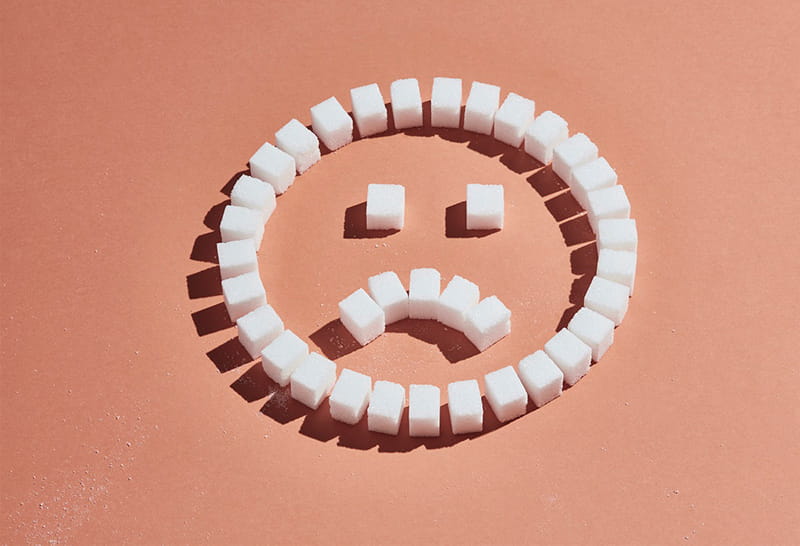
Let’s face it. Many of us consume too much added sugar.
On average, people ages 2 and older get about 12%–13% of their total daily calories from added sugars. This amount exceeds the American Heart Association’s recommendation to keep added sugars below 6% of calories per day.
- Men should consume no more than 9 teaspoons (36 grams or 150 calories) of added sugar per day.
- Women should consume no more than 6 teaspoons (25 grams or 100 calories) per day.
What are the major sources of added sugar?
The numbers are in. The top sources of added sugars in the U.S. diet include:
Sugar sweetened beverages account for about 24% of total added sugars:
- Soft drinks
- Fruit drinks
- Sports and energy drinks
Desserts and sweet snacks make up about 19% of total added sugars:
- Cookies and brownies
- Ice cream and frozen dairy desserts
- Cakes, pies, doughnuts, pastries
Other common sources:
- Coffee and tea with added sweeteners
- Candy
- Sweetened breakfast cereals and bars
- Sweetened dairy products
How does the body react to sugar?
It all comes down to how fast sugars get absorbed. For example, your body will spend more time digesting an apple than regular soda. Because the apple contains fiber, the natural sugar absorbs more slowly. The added sugar in soda, however, hits your system all at once, absorbing sugars much more quickly. A 12-ounce can of soda contains 10 teaspoons (42 grams) of added sugar — nearly double the recommended amount a day for women and more than the total daily amount for men.
What should I look for while grocery shopping?
It’s tempting to look to alternative sugars, which often can be perceived as healthier choices than plain white sugar. Don’t be fooled. Added sugar is added sugar no matter what it is called.
Check out the ingredients lists for these added sugars:
- Honey
- Maple syrup
- Coconut sugar
- Turbinado sugar
- High fructose corn syrup
- Corn syrup
- Dextrose
Food manufacturers are now required to list the amount of added sugars on the Nutrition Facts label in grams and as a percent of daily value. A recent analysis found that this labeling could potentially prevent nearly 1 million cases of cardiovascular disease and Type 2 diabetes over the next two decades. Listing the total amount of added sugars means that consumers can easily determine how much added sugar is in a food or beverage. This information helps shoppers make smart choices.
Bottom line: Studies show that 68% of shoppers come across conflicting nutritional data on social media, and 60% of them doubt the choices they are making for their families due to conflicting information. So, stick to the facts. Read the Nutrition Facts label and the ingredients list for the terms that simply mean added sugar.


