Ebstein's Anomaly
Quick Facts
- In Ebstein’s anomaly, the tricuspid valve on the right side of the heart doesn’t close the way it should.
- Blood can flow backward instead of forward to the lungs.
- Treatment can include medication or surgery.
What is Ebstein’s anomaly?
Ebstein’s anomaly is a heart condition that affects the tricuspid valve on the right side of the heart. The valve sits between the upper and lower right chambers and may not close the way it should. When that happens, some blood can flow backward instead of moving forward to the lungs.
As a result, the upper right chamber of the heart can become larger than normal. In more severe cases, the lower right chamber may be smaller than usual and may not pump enough blood to the lungs.
Ebstein’s anomaly often occurs along with an atrial septal defect (ASD), which is a hole in the wall between the two upper chambers of the heart. This condition can range from mild to severe.
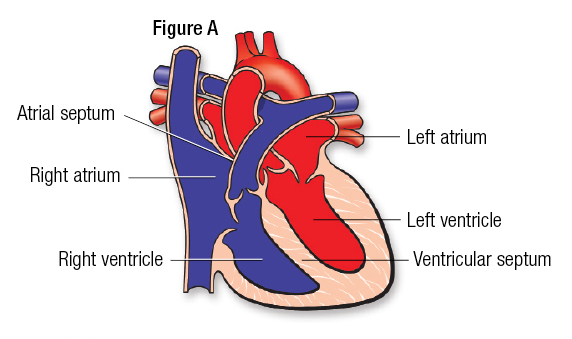
The heart has four chambers. The upper two chambers are the atria, and the lower two are the ventricles (Figure A). The chambers are separated by a wall of tissue called the septum. Blood is pumped through the chambers, aided by four heart valves. The valves open and close to let the blood flow in only one direction.
What are the symptoms of Ebstein’s anomaly?
Some people may have few or no symptoms. In some cases, symptoms may not appear until later in life. Symptoms can range from mild to severe.
In severe cases, symptoms may appear shortly after birth. These can include bluish lips and nails due to low oxygen levels. Babies may also have trouble breathing or feeding.
Older children may have fatigue, shortness of breath, rapid breathing or a fast or irregular heartbeat. Others may have trouble gaining weight or keeping up with normal activities.
If the valve abnormality is especially severe, the child may have decreased stamina, fatigue and bluish skin from low oxygen. Blood may also back up into the veins, causing fluid retention in the legs, belly or liver. Over time, this can reduce the heart’s ability to pump blood effectively, leading to heart failure.
If your child has these symptoms, contact your child’s doctor. If symptoms get worse or do not improve, get medical help right away.
Some people with Ebstein’s anomaly may also have a fast heart rate, called supraventricular tachycardia (SVT). This can be caused by an extra electrical pathway in the heart, a condition known as Wolf-Parkinson-White syndrome.
How is Ebstein’s anomaly treated?
Treatment will depend on the severity and specific symptoms. Treatment may include:
- Medications to help with heart failure symptoms
- Oxygen or other breathing support
- Surgery to correct the valve
- Procedures to treat abnormal heart rhythms, such as catheter ablation
Ebstein’s anomaly in children: What families need to know
Which exams and tests will be done?
Children with Ebstein’s anomaly should receive ongoing care from a pediatric cardiologist. As they grow into adulthood, they should continue with an adult congenital cardiologist.
In addition to regular checkups, the cardiologist may use different tests to better understand how the heart is working. These may include an electrocardiogram (EKG), chest X-ray, Holter monitor, MRI and an echocardiogram.
Which activities can my child do?
If valve leakage is mild and tests show no heart rhythm problems, your child can usually participate in most activities and sports. Regular exercise can help keep the heart strong and improve blood flow.
In some cases, the cardiologist may recommend avoiding certain intense or competitive sports. Ask which activities are safe and appropriate.
What about preventing endocarditis?
People with Ebstein’s anomaly, whether the valve has been repaired or not, can be at a higher risk for endocarditis, an infection in the heart. Your child’s cardiologist can tell you if your child needs to take antibiotics before certain dental procedures to help lower this risk. This is a lifelong consideration.
Ebstein’s anomaly in adults: What to expect
Many people with Ebstein’s anomaly live well into adulthood, especially those with milder forms. Even if you feel well, this is a lifelong condition that requires ongoing care.
Ongoing care and monitoring
Regular follow-up with a cardiologist, ideally one specialized in congenital heart disease, is important. Your doctor will check:
- Heart valve function
- Heart size and pumping ability
- Heart rhythm
You may need tests such as an EKG, echocardiogram or other imaging from time to time. The frequency of visits depends on how severe your condition is.
Symptoms to watch for
Some adults may develop symptoms over time. Contact your doctor if you notice:
- Shortness of breath
- Fatigue or decreased ability to exercise
- Swelling in the legs or abdomen
- Fast or irregular heartbeat (palpitations)
- Bluish lips or skin (cyanosis)
These may be signs that your heart is under strain or that your condition is changing.
Treatment and procedures
Some adults never need major treatment, while others may need medications or procedures. Treatment may include:
- Medications to manage symptoms such as fluid buildup or heart rhythm problems
- Procedures to treat abnormal heart rhythms, such as catheter ablation
- Surgery to repair or replace the tricuspid valve if symptoms worsen or heart function worsens
Your care plan will depend on your symptoms and test results.
Heart rhythm problems
Abnormal heart rhythms are common in adults with Ebstein’s anomaly. These may feel like a racing or fluttering heartbeat. In some cases, procedures may be needed to correct these rhythm problems.
Physical activity
Many adults with mild disease can be physically active. Regular exercise is often encouraged, but:
- Activity levels should be individualized.
- Some people may need to avoid intense or competitive sports.
Talk with your cardiologist about what level of activity is safe for you.
Pregnancy and family planning
Many women with mild Ebstein’s anomaly can have successful pregnancies. However, pregnancy places extra strain on the heart.
- A full evaluation before pregnancy is important.
- You may need close monitoring during pregnancy.
Discuss your plans with your care team to understand your individual risks.
Preventing complications
Adults with Ebstein’s anomaly may be at risk for certain complications over time. To reduce risk:
- Keep all follow-up appointments.
- Maintain good dental hygiene and ask about preventing endocarditis.
- Report new symptoms promptly.
In some cases, long-term strain on the heart can affect other organs, such as the liver, so regular medical care is important.
Living well
With proper care, many people with Ebstein’s anomaly lead active, productive lives. Staying informed, keeping regular appointments and working closely with your healthcare team can help you manage your condition over time.


