Fetal Echocardiogram
Quick Facts
- A fetal echocardiogram is an ultrasound of the baby’s heart before birth.
- It can show the structure and function of the developing baby’s heart.
- It may be used if a baby has a higher risk of heart problems.
What is a fetal echocardiogram?
A fetal echocardiogram is a detailed ultrasound performed of the baby’s heart before birth. Sound waves are used to create a moving picture of different parts of the heart. This allows a doctor to evaluate the structure and function of the baby’s heart.
Who may need a fetal echocardiogram?
A fetal echocardiogram may be recommended if your baby could be at higher risk for heart problems, including if:
- A parent or sibling has congenital heart disease (CHD)
- Heart or genetic conditions, such as Marfan syndrome or tuberous sclerosis, run in the family
- Tests show a genetic condition, such as Down syndrome
- Amniocentesis results are abnormal
- Certain medications, drugs or alcohol were used during pregnancy
- The woman has specific health conditions, such as diabetes, phenylketonuria or lupus
- The woman had certain infections during pregnancy, such as rubella
- A routine ultrasound shows a possible heart problem
- The baby’s heart rate or rhythm is too fast or too slow
- There is another reason to believe the baby may have a higher risk of heart problems
- The pregnancy was conceived through IVF or assisted reproductive technology
How is a fetal echocardiogram done?
A fetal echocardiogram is done by an ultrasound technician. A pediatric cardiologist who specializes in heart problems before birth reviews the images.
There are two ways the test may be done:
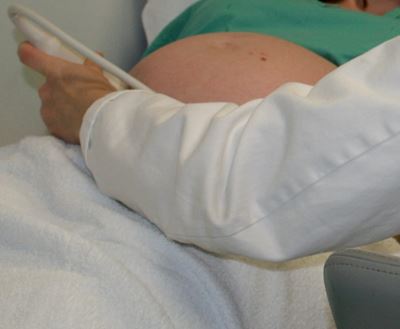
- Abdominal ultrasound: This is the most common method. Gel is placed on the woman’s abdomen, and a small device is moved over the skin to take pictures of the baby’s heart. The test is painless and considered safe during pregnancy. It usually takes 30 minutes to two hours, depending on how detailed the exam needs to be.
- Endovaginal ultrasound: This ultrasound is usually performed early in pregnancy. A small ultrasound device is gently placed into the woman’s vagina to get pictures of the baby’s heart.
No special preparation is needed. You do not need a full bladder for a fetal echocardiogram.
When is a fetal echocardiogram done?
A fetal echocardiogram is usually done between 18 and 22 weeks of pregnancy. In specialized centers, some major heart problems may be seen as early as 12-16 weeks. It is recommended if a parent has CHD or if the baby may be at a higher risk for heart problems.
In some cases, the test may be done earlier in pregnancy, especially when there is a strong family history of CHD or more serious heart concerns.
What will the echocardiogram results show?
At a follow-up visit, your health care professional will explain your results. If the test is normal, no heart problems were found, and you will usually continue with routine pregnancy care.
If the results are abnormal, they may show a problem with how your baby’s heart is formed or how it works. The test can also find abnormal heart rhythms (arrhythmias). If a problem is found, you may need more testing and may be referred to a specialist.
Even with a normal result, not all heart problems can be ruled out. This is because circulation in the fetus is different than after birth. Also, some small heart problems are hard to see.
If a heart defect is found, it may affect your baby’s health and care after birth. Your cardiologist will talk with you about what the results mean and what to watch for. If needed, other specialists may be involved to help care for you and your baby.
Other tests, procedures and referrals that may be needed include:
- Fetal ultrasounds: A detailed ultrasound of the rest of the baby to follow growth, monitor well-being and check for problems in other organs
- Fetal MRI: May provide more details about the baby’s overall development or problems in other organs
- Amniocentesis: A test to look for chromosomal and genetic disorders. A needle is inserted through the woman’s abdominal and uterine wall into the baby’s amniotic sac to retrieve a sample of amniotic fluid.
- Genetic counseling: A genetic counselor can help explain whether your baby may have a genetic condition or problems in other organs based on the heart diagnosis and other findings. They can also talk with you and your family about:
- What the condition may mean
- How likely it is to happen or be passed on
- Which treatment or support options may be available
- Specialist consultation: Depending on the diagnoses, you may be referred to other subspecialists. These could include a:
- Maternal-fetal medicine specialist
- Pediatric cardiologist
- Neonatologist
- Geneticist
- Social worker/nurse: Someone who is familiar with heart disease in children can provide information about caring for a child with congenital heart disease.


