Understanding Excess Weight and Supportive Solutions
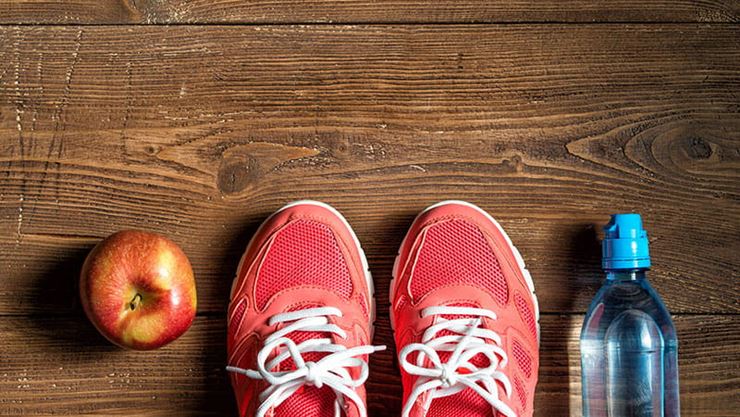
The good news is that small steps toward healthier habits can make a big difference. Even losing a little weight can help improve health and set the stage for continued progress.
Why lose weight?
Less risk of heart disease, diabetes and cancer. Metabolic improvements start to occur when people living with excess weight lose about 10% of their body weight.
Losing weight can lower the risk of heart disease and stroke as well as risk factors such as high blood pressure, glucose (blood sugar) and sleep apnea. It can also help lower your total cholesterol, triglycerides and raise “good” cholesterol — also known as HDL.
Understanding extreme obesity (Class III Obesity)
For adults, a healthy body mass index range (BMI) is from 18.5 to 25 kg/m2. BMI of 40 or higher, is severe or extreme obesity or class III obesity. BMI in children is determined using a different BMI calculator from the CDC.
A woman is extremely obese if she’s 5 feet, 4 inches tall and weighs 235 pounds, making her BMI 40.3 kg/m2. To reach a healthy BMI of 24.8, she would have to lose 90 pounds to reach a weight of 145 pounds.
A man is extremely obese if he’s 6 feet, 2 inches tall and weighs 315 pounds, making his BMI 40.4 kg/m2. To reach a healthy BMI of 25.0, he would need to lose 120 pounds to reach a weight of 195 pounds.
Health care professionals use BMI as one of the tools to define severe obesity rather than a certain number of pounds or a set weight limit. Other tools used are blood tests, family history and waist circumference.
How to get healthier
For those living with excess weight, taking steps toward better health can feel overwhelming. Past challenges with weight loss, medical conditions and the emotional toll of stigma can make it even harder. But support, understanding and small changes can help make progress possible.
For those living with excess weight, becoming more active can be a helpful step toward better health. It's important to check with a health care professional before starting any intense exercise program. In many cases, beginning with small changes and aiming to lose about 5-10% of body weight first can make physical activity safer and more effective. Current levels of physical activity can often be continued safely, but it's important to consult a health care professional before increasing intensity. Certain health conditions such as arthritis or heart disease may limit or be affected by exercise, especially in cases of severe obesity.
Treatment options
Talk to a health care professional about the health benefits and the risks of different treatment options for extreme obesity:
- Nutrition Support: A registered dietitian may help create a personalized eating plan aimed at gradual, sustainable weight loss, typically one to two pounds per week. Tracking food intake can be a helpful first step. Lowering daily calories by 500 to 1,000 can lead to modest weight loss over time.
- Physical Activity: Light physical activity may be added after reaching a minimum of a 10% weight loss goal. It's important to consult with a health care professional before starting or increasing exercise, especially if there are existing health conditions.
- Medication: In some cases, weight loss medications may be recommended. These can be helpful but may come with side effects and costs that should be discussed with a health care professional.
- Surgery: If lifestyle changes and medication haven't led to sufficient weight loss, bariatric (or metabolic) surgery may be considered.
Get the social or medical support needed
While some people are able to make lifestyle changes and lose weight on their own, many benefit from extra support. A strong support system, such as a weight-loss group or one-on-one therapy, can help encourage progress and maintain healthy habits. It can be helpful to decide what type of support fits best, whether a group or individual approach.
Depression can be common among people living with higher body weight. It’s important to talk with a health care professional to find the right treatment, especially because some medications for depression may affect weight.


