Assessing Weight and Overall Health
Quick Facts
- Healthcare professionals look at many things to assess weight-related risks.
- The ability to control your weight is influenced by many factors.
- Some health conditions may increase the risk of weight-related problems.
How do healthcare professionals assess weight?
Healthcare professionals consider more than a number on the scale. Weight assessment includes a full view of health.
These factors also help determine overall health and weight-related risks:
- Blood pressure
- Lab results
- Lifestyle patterns
- Medical history
- Medications
This approach helps identify health risks and guides personalized care.

Which factors affect weight?
Weight control is influenced by:
- Access to nutritious foods
- Access to safe places for physical activity
- Age
- Genetics
- Metabolism
- Medication use
- Sleep
- Stress levels
Because these factors vary widely, no two weight journeys are the same. Individual biology and life circumstances matter.
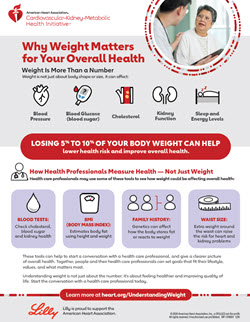
View fact sheet: Why Weight Matters for Your Overall Health (PDF)
Which body measurements help identify health risks?
Tools such as body mass index (BMI), waist circumference and body composition offer insight into how weight may affect health. While no single measure is perfect, together they help identify body fat distribution and potential health risks.
What are risk factors of weight-related health issues?
Risk factors may increase the chance of developing weight-related health issues. These include:
- Diabetes and prediabetes
- Family history of heart disease
- High blood pressure
- Hormonal conditions
Recognizing these risks early supports prevention, timely treatment and better long-term outcomes.


