Blood Pressure Explained: A Helpful Guide
The Facts About High Blood Pressure

What is a normal blood pressure range?
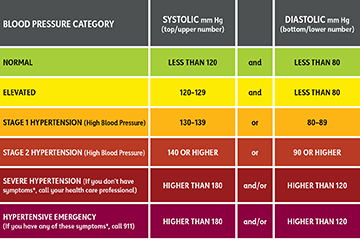
Normal blood pressure for adults is less than 120 for the top/upper number (systolic) and less than 80 for the bottom/lower number (diastolic). If the top number is between 120 and 129 and the bottom number is less than 80, that is elevated. High blood pressure starts at 130 or higher for the top number and 80 or higher for the bottom number. Very high numbers, such as higher than 180 on top and higher than 120 on bottom, are severe and you should call a health care professional.
In a hypertensive emergency, call 911 if your blood pressure is higher than 180 over 120 mm Hg AND you are experiencing any of these symptoms:
- Chest pain
- Shortness of breath
- Back pain
- Numbness
- Weakness
- Change in vision
- Difficulty speaking
Learn more about understanding blood pressure readings
During pregnancy, blood pressure goals are different. A healthy blood pressure during pregnancy is less than 140/90 mm Hg. It’s important to know your numbers and talk with a health care professional about managing blood pressure before, during and after pregnancy.
- Learn more about blood pressure and pregnancy
- Download Blood Pressure Categories for Individuals who are Pregnant (PDF)(link opens in new window)
Blood Pressure Categories chart
View this chart to understand if your blood pressure is in a healthy range.
| BLOOD PRESSURE CATEGORY | SYSTOLIC mm Hg (top/upper number) | and/or | DIASTOLIC mm Hg (bottom/lower number) |
|---|---|---|---|
| NORMAL | LESS THAN 120 | and | LESS THAN 80 |
| ELEVATED | 120 – 129 | and | LESS THAN 80 |
| STAGE 1 HYPERTENSION (High Blood Pressure) | 130 – 139 | or | 80 – 89 |
| STAGE 2 HYPERTENSION (High Blood Pressure) | 140 OR HIGHER | or | 90 OR HIGHER |
| SEVERE HYPERTENSION (If you don’t have symptoms*, call your health care professional.) | HIGHER THAN 180 | and/or | HIGHER THAN 120 |
| HYPERTENSIVE EMERGENCY (If you have any of these symptoms*, call 911.) | HIGHER THAN 180 | and/or | HIGHER THAN 120 |
| *symptoms: chest pain, shortness of breath, back pain, numbness, weakness, change in vision or difficulty speaking | |||
Note: Only a doctor or other medical professional can confirm a high blood pressure diagnosis. They also can check if your blood pressure is too low.
Downloadable PDF Blood Pressure Categories chart
- English Blood Pressure Categories chart (PDF)(link opens in new window)(link opens in new window)
- Spanish Blood Pressure Categories chart (PDF)(link opens in new window)(link opens in new window)
- Simplified Chinese Blood Pressure Categories chart (PDF)(link opens in new window)(link opens in new window)
- Traditional Chinese Blood Pressure Categories chart (PDF)(link opens in new window)(link opens in new window)
What is systolic and diastolic blood pressure?
Blood pressure is recorded as two numbers — systolic and diastolic.
- Systolic blood pressure is the first (top/upper) number. It measures the pressure your blood is pushing against your artery walls when the heart beats.
- Diastolic blood pressure is the second (bottom/lower) number. It measures the pressure your blood is pushing against your artery walls while the heart muscle rests between beats.
- Blood pressure is written as a ratio, such as 120 over 80 or 120/80 mm Hg.
There are some things that can temporarily raise your blood pressure, including exercise, caffeine or even stress. By making lifestyle changes and using medications as prescribed, you can improve your quality of life and control blood pressure.
- Eat a well-balanced diet
- Limit or avoid alcohol
- Enjoy regular physical activity
- Manage stress
- Reach and maintain a healthy weight
- Quit smoking. Or don't start.
- Take your medications as prescribed
- Work with your health care team
Blood Pressure Resources
What causes high blood pressure?
There are several factors that can cause increased blood pressure, also known as hypertension. Common inherited and physical risk factors include:
- Family history
- Age
- Gender
- Race
- Chronic kidney disease
You can take steps to lower your risk and help manage high blood pressure by making healthy changes, such as:
- Move more: Regular physical activity helps keep your heart and blood vessels healthy.
- Eat smart: Choose a balanced diet and limit foods high in salt.
- Maintain a healthy weight: Excess weight can put strain on your heart.
- Limit or eliminate alcohol: Drinking too much can raise blood pressure.
- Address sleep issues: Conditions such as sleep apnea can affect your blood pressure.
- Manage cholesterol and blood sugar: High cholesterol and diabetes increase risk.
- Quit smoking: Tobacco damages your blood vessels and raises blood pressure.
- Lower stress: Find healthy ways to relax and manage stress.
Knowing your risk factors can help you make healthy choices and create healthy habits to lower your chances of high blood pressure.
- Know Your Risk Factors for High Blood Pressure
- Signs and Symptoms of High Blood Pressure
- High Blood Pressure Among Black Adults
- High Blood Pressure in Children and Teens
Download How Can I Lower High Blood Pressure? (PDF)(link opens in new window)

What are the signs and symptoms of high blood pressure?
High blood pressure can affect people of all ages (children, young adults, adults, older adults), but for most, it has no signs or symptoms. That’s why it’s often called the “silent killer.”
If your blood pressure is higher than 180/120 mm Hg:
- Wait at least 1 minute.
- Take your blood pressure again.
If the second reading is still that high, check for these symptoms of high blood pressure:
- Chest pain
- Shortness of breath
- Back pain
- Numbness
- Weakness
- Change in vision
- Difficulty speaking
If you do not have any of these symptoms or any other new, concerning symptoms, you likely have severe hypertension and should contact your health care professional.
If you do have these symptoms and your blood pressure is higher than 180/120 mm Hg, this is a hypertensive emergency — call 911 right away.
How do I check my blood pressure at home?
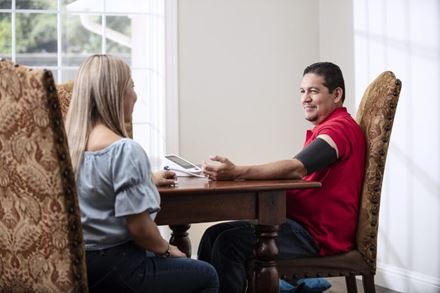
Home blood pressure monitoring is recommended for anyone with high blood pressure. It helps your health care professional know if treatments are working and can also be used to confirm a diagnosis of high blood pressure.
Talk with your health care professional about how to use your home monitor. Make sure your monitor is accurate and that you have the right cuff size. A cuff that is too big or too small can give incorrect readings.
Before you take your blood pressure:
- Plan ahead. Don’t smoke, drink caffeinated beverages or exercise within 30 minutes. Empty your bladder.
- Don't take the measurement over clothes. Remove the clothing over the arm that will be used to measure blood pressure.
- Rest quietly. Sit still for at least 5 minutes. Don’t talk or use your phone.
- You can use either arm. Usually there is not a big difference between readings on them.
- Sit correctly.
- Support your arm on a flat surface at heart level (prop a pillow underneath your arm if needed).
- Place the cuff on bare skin, with the middle on the upper arm at heart level and the bottom just above the elbow bend.
- Follow your monitor’s instructions or ask your health care professional to show you.
When and how to measure:
- Take readings at the same time each day. Ask your health care professional how often to check.
- Take two readings. Wait one minute between readings.
- Record your results using a printable blood pressure log (PDF)(link opens in new window). If your monitor has built-in memory to store your readings, take it with you to your medical appointments. Some monitors let you upload results securely online.
One blood pressure measurement is like a snapshot. To fully understand your blood pressure, you need to keep track of readings over time. This helps you and your health care professional see the full picture and make sure your treatment is working.
Downloadable PDF Resources
What to do if blood pressure is too low?
A low blood pressure reading is usually not harmful unless there are other symptoms that concern a health care professional. Some people have a condition called hypotension, which means blood pressure is less than 90/60 mm Hg.
Constantly low blood pressure can be dangerous if it causes symptoms such as:
- Confusion
- Dizziness
- Nausea
- Fainting
- Fatigue
- Neck or back pain
- Headache
- Blurred vision
- Heart palpitations
One reading that is lower than normal is usually not a reason to worry, unless you are having other symptoms or problems. If you feel dizzy, nauseous or have other symptoms, contact your health care professional. Use this downloadable and printable My Blood Pressure Log (PDF)(link opens in new window)(link opens in new window) to keep a record of your symptoms and when they happen.
How does high blood pressure affect overall health?
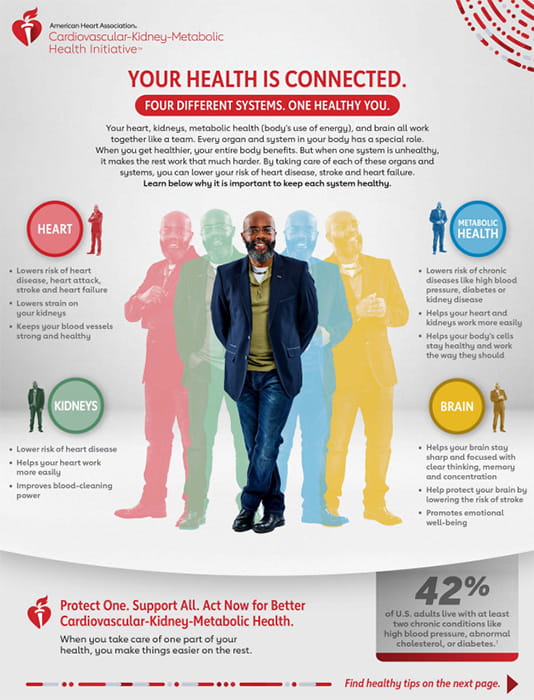
Your heart, kidneys and the way the body creates and uses energy (metabolic health) have different jobs, but together they affect your overall health. This is called Cardiovascular-Kidney-Metabolic (CKM) health.
When one area of your health isn’t working well, it can hurt other areas:
- High blood pressure can harm the heart, raising the risk of heart attack and stroke.
- High blood pressure can damage the kidneys over time, potentially leading to chronic kidney disease.
- High blood pressure often occurs with diabetes and obesity, commonly making CKM health problems worse together.
It might seem like these problems are separate, but they are actually connected. Understanding and protecting all three systems can improve overall health and lower your risk of heart disease or stroke.
- Health Threats from High Blood Pressure
- Consequences of High Blood Pressure (PDF)(link opens in new window)(link opens in new window)
Download Your Health is Connected (PDF)(link opens in new window)
Take Control of Your Blood Pressure
Is your blood pressure in a healthy range? The best way to know is to get it checked.
Then, enter your numbers into this calculator to see which blood pressure category the reading is in.
Systolic Pressure
Diastolic Pressure

Normal Blood Pressure
-
{{item.value}}
Elevated Blood Pressure
-
{{item.value}}
This blood pressure reading is in the elevated range. Unless steps are taken to control it, elevated blood pressure can turn into high blood pressure.
It’s important to recheck your blood pressure with your healthcare team. They can confirm if this reading is within your target blood pressure range and discuss any steps you might need to take to keep it in a healthy range. Lifestyle changes can help.
High Blood Pressure Stage 1
-
{{item.value}}
High Blood Pressure Stage 2
-
{{item.value}}
Severe Hypertension
-
{{item.value}}
This blood pressure reading is in the severe hypertension range.
- Wait at least 1 minute.
- Take your blood pressure again.
If your readings are still high, call your healthcare professional.
If your blood pressure is higher than 180 and/or 120 mm Hg and you have any of these symptoms, call 911: chest pain, shortness of breath, back pain, numbness, weakness, change in vision or difficulty speaking. This is a hypertensive emergency.


