How community-based care is helping people control high blood pressure
By Katherine Shaver, American Heart Association News


For years, Kyle Faye treated his patients with high blood pressure the traditional way: Measure their blood pressure, prescribe lifestyle changes and often medication, and hope they followed his instructions.
Then, Faye said, patients “would kind of disappear” for six months to a year or more, until they returned for a sick visit or a routine checkup. In the meantime, they would often underappreciate the seriousness of their diagnosis and neglect to take their medication – then the process would start all over again.
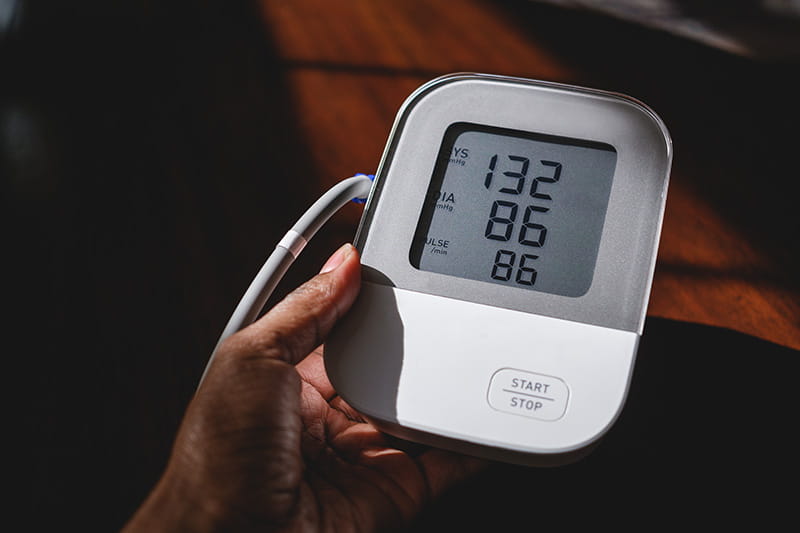
Faye’s patients now leave his community health center in Southwest Philadelphia with their own arm cuff monitor to measure their blood pressure at home – and an app on their cellphone that sends the readings to Faye’s computer. Every two weeks, Faye or a nurse calls patients to check in, adjust their medication if needed, remind them to take it, and encourage them to stay active and eat healthy.
Faye, a nurse practitioner, credits the more hands-on approach with a 20% increase in patients whose high blood pressure is under control, some for the first time in years. The difference is easy to see in a clinic where he estimates about eight in 10 of its roughly 2,000 adult patients have the condition.
“It’s completely changed the way I can help patients with high blood pressure,” said Faye, the primary care site director at the health center, called Health Annex. “It’s a much more effective way to treat patients, and they connect more with it, too.”
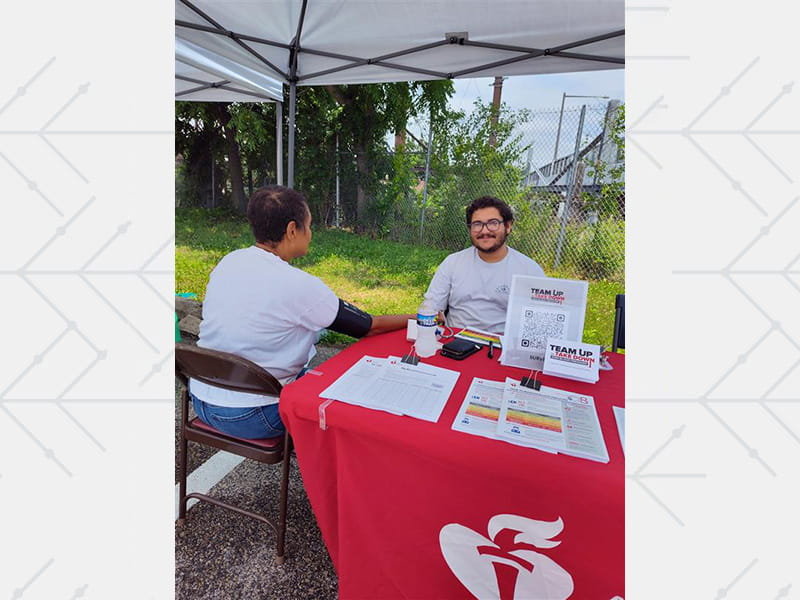
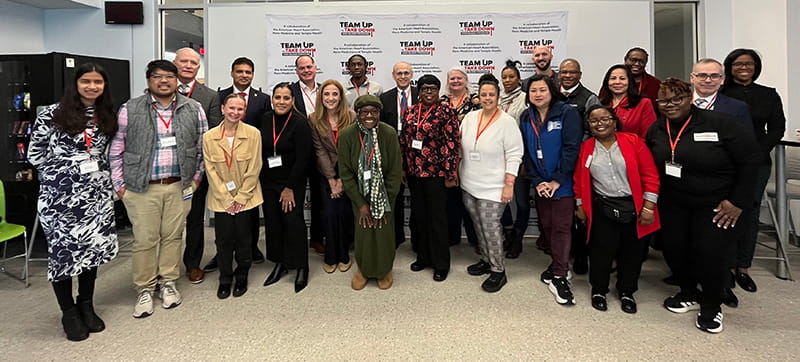
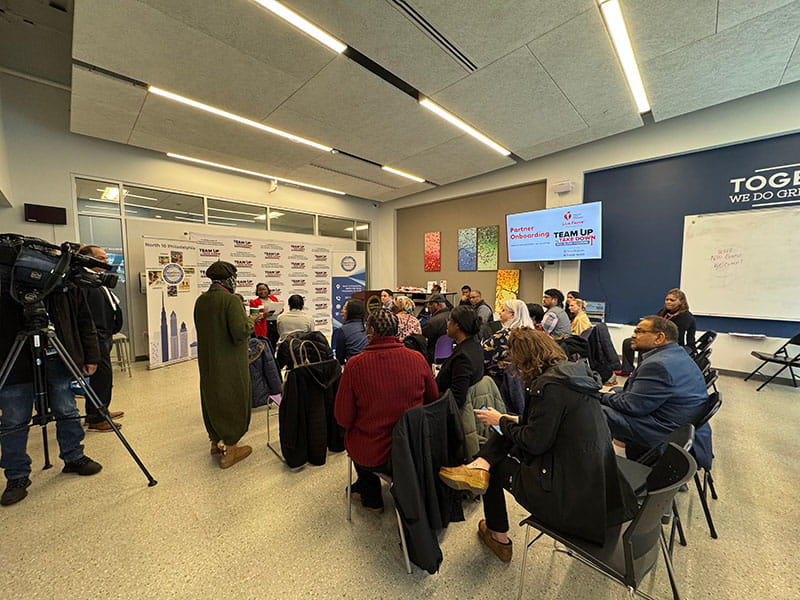
It’s all part of Team Up to Take Down High Blood Pressure, an ongoing effort in Philadelphia to raise awareness about the dangers of the condition – and how to treat it – by reaching into communities where residents have historically lacked access to healthcare.
The program –a collaboration between the American Heart Association, Penn Medicine, Temple Health and community health clinics and organizations – has reached more than 90,000 residents of North, West and Southwest Philadelphia since fall 2024. It brings education, screenings and treatments to patients in trusted, convenient spaces close to home.
The idea: Helping patients understand their blood pressure numbers and how managing them can help prevent heart attacks, strokes and other fatal and serious cardiovascular events.
“We’re a united community tackling the most important root cause of chronic illness and premature disability and death in our city,” said Dr. Richard Wender, chair of the Department of Family Medicine and Community Health at the University of Pennsylvania.
High blood pressure, also known as hypertension, is measured by one number “over” another. It’s defined as a “systolic” blood pressure (the top number) of 130 and higher or a “diastolic” blood pressure (the bottom number) of 80 and above. Normal is below 120 for the top number and below 80 for the lower number.
High blood pressure is the No. 1 preventable risk factor for cardiovascular disease – the leading cause of death worldwide – because it can damage blood vessels and make them more vulnerable to tears or plaque buildup. It’s also associated with kidney disease, heart failure, cognitive decline and vascular dementia.
The problem: High blood pressure usually has no symptoms. Without regular checks, it can go undetected until it triggers a fatal heart attack or stroke, acting as a “silent killer.”
About 47% of adults in the U.S., nearly 126 million people, have high blood pressure, though many people don’t know it. And about 22% have it under control.
High blood pressure affects nearly 60% of non-Hispanic Black adults, more than any other racial and ethnic group in the U.S.
Controlling high blood pressure is challenging for people at all income levels, Wender said. Some patients resist having to take medication regularly, while even those who do must be closely monitored because blood pressure can continue to fluctuate.
“There are a lot of barriers that get in the way,” Wender said.
The challenges are magnified in historically disadvantaged areas of Southwest, West and North Philadelphia, where many residents often lack health insurance and healthy food options, he said. Those juggling multiple jobs or busy caring for children or other family members can forget to take medication, he said. Living in high-crime areas also increases stress, along with the safety risk of exercising outdoors.
The Team Up to Take Down High Blood Pressure approach is designed to be replicated across Philadelphia and the country, Wender said. Doing so will require partnerships between community health centers that work with residents in under-resourced areas and hospitals or university-based health systems that can provide funding.
Fighting high blood pressure, especially in under-resourced communities, will happen one person at a time, he said.
“You’ve got to be in people’s community where they're getting care,” Wender said. “It's the only way.”
If this conversation has you thinking more about your own blood pressure, the American Heart Association’s Blood Pressure Explained section offers clear, easy‑to‑navigate information on what the numbers mean and why they matter for heart health. While you’re there, you can also take a moment to share your experience by answering a short survey at the bottom of the page — helping inform future resources for people managing their blood pressure.