Why blood pressure during pregnancy matters so much, especially for Black women
By American Heart Association


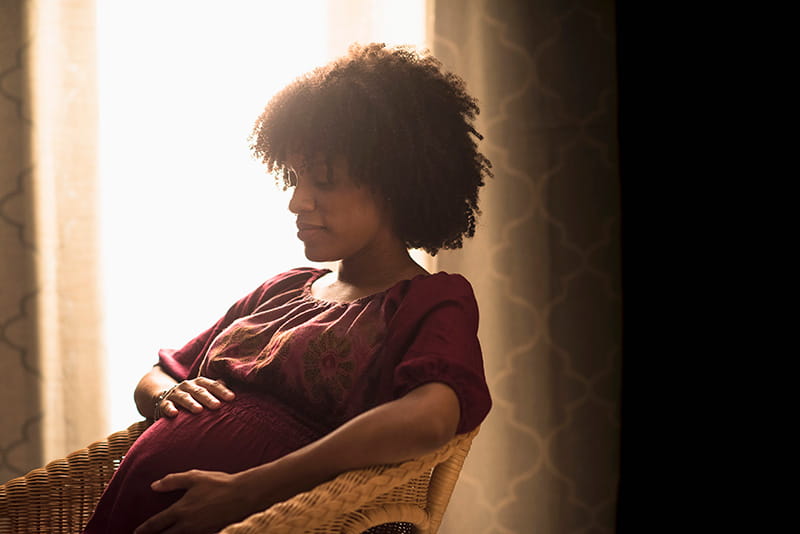
High blood pressure during pregnancy is a serious concern for any woman. In addition to posing a threat to the health of the mother and baby, disorders such as preeclampsia are early warning signs that a woman could develop heart disease later in life.
But Black women need to pay extra attention to those disorders, said Dr. Rachel M. Bond, a cardiologist who is system director of women’s heart health at Dignity Health in Chandler, Arizona.
“This is extraordinarily important for Black women,” said Bond, who has helped create educational materials about maternal health for the American Heart Association and led a group of experts that made recommendations about post-pregnancy care.
According to a Heart Association scientific statement published in Circulation in 2024, Black women face a higher risk, compared to white women, of developing problems related to high blood pressure during pregnancy, known as hypertensive disorders of pregnancy. Black women also face significantly higher rates of death due to pregnancy-related complications.
So to mark Black Maternal Health Week, here’s advice on what women should know about blood pressure before, during and after pregnancy.
Why would pregnant Black women in particular want to pay attention to blood pressure?
High blood pressure, or hypertension, is at the root of many cardiovascular problems, including heart attack and stroke. Black women – pregnant or not – are more likely to have high blood pressure than other women, said Dr. Curisa Tucker, a nurse scientist who is an assistant professor of nursing science at the University of South Carolina College of Nursing in Columbia.
In January, a Heart Association scientific statement published in Stroke said blood pressure-related disorders during pregnancy raise the risk of stroke, which overall accounts for at least 4% to 6% of maternal deaths in the U.S. The statement noted that pregnant Black women have twice the stroke risk of their white counterparts, even after adjustment for socioeconomic factors.
The reasons go beyond individual choices and are related to issues such as “where people live, work, learn and have everyday lives,” Tucker said. Access to adequate health care and nutritious foods also may play a role, said Tucker, who led a study on heart failure during pregnancy that was published in the Journal of the American Heart Association in 2025.
For Tucker, concern about blood pressure in pregnancy is more than academic. As a girl, she watched her older sister experience two eclamptic seizures, a severe complication of uncontrolled blood pressure that could have been fatal, while pregnant with twins. Everyone ultimately recovered, and the experience inspired Tucker to become a labor and delivery nurse before earning her doctorate.
What should women know about blood pressure before pregnancy?
- Bond advises patients planning a pregnancy to know their basic numbers – including their blood pressure and cholesterol – and aim for a healthy weight. She emphasizes optimizing heart-health essentials such as regular exercise, a balanced diet, and smoking cessation.
“Healthy pregnancies often begin before conception,” Bond said. “Preconception counseling can play a critical role in identifying and addressing risk early.”
- Women with a history of high blood pressure may need to transition to medications that are safer during pregnancy, Bond said.
- It’s an important time to ask about family history. Black women are at higher risk of having preeclampsia, a type of high blood pressure that begins around the 20th week of pregnancy. Having a relative who had preeclampsia predisposes a woman to having it herself, Bond said.
What should women know about blood pressure while they are pregnant?
- Pregnancy is often called a stress test for the cardiovascular system. Increased heart rate and blood volume can strain the heart. Checking blood pressure at every prenatal visit is essential, Bond said. The definition of a healthy blood pressure range is higher than normal during pregnancy.
- Women in high-risk categories may be encouraged to monitor their blood pressure at home. The website validatebp.org provides a list of devices that have been validated for accuracy during pregnancy, “which is really, really important,” Bond said.
Women should ask their health care team for advice on how to get an accurate blood pressure reading, Tucker said. Details such as the time of day a reading is taken, positioning during the reading, and even the amount of sodium intake, all matter.
- High blood pressure often has no symptoms. But preeclampsia sometimes does, and Tucker said women should pay attention to signs such as headache, vision changes, shortness of breath or excessive swelling in their legs and feet. “Sometimes it is hard to distinguish these from normal pregnancy symptoms, but listening to your body and not blowing off these symptoms is important,” she said.
Bond said that while some swelling is routine, “the one that we worry about is the one that doesn't go away when you elevate your legs.” Pain in the upper right side of the belly may be a sign that the liver is becoming involved, she said, and calls for immediate medical attention.
What should women know about blood pressure after pregnancy?
The effects of a blood pressure disorder don’t end when a baby is born. Regardless of race, if you have preeclampsia, you face a greater risk of having high blood pressure outside of the pregnancy, Bond said. Research shows that risk could be three times higher.
Tucker said that high blood pressure in the weeks after delivery is a common reason why women are readmitted to the hospital. Studies have also linked hypertensive disorders during pregnancy to heart problems decades later. Other studies suggest a mother’s blood pressure complications might affect the health of their offspring years later as well.
In after-delivery visits, Bond tells her patients to keep tracking their blood pressure. “Understanding what that postpartum period looks like and long-term treatment really can help to mitigate or decrease the risks of having any future cardiac events,” she said.
What do others need to do to support women after pregnancy?
If a woman has blood pressure issues while pregnant, the handoff from an OB/GYN to a primary care physician or cardiologist is important, Bond said. OB/GYN care often ends around six weeks after birth, she said, but blood pressure can spike after delivery, and more than half of deaths in pregnancy occur between one week and one year after birth.
And new moms need support from everyone around them. A study published in Hypertension in March found that women who have pregnancy complications, including hypertensive disorders, may be vulnerable to persistently higher stress levels in addition to being at higher risk for future high blood pressure.
That’s easy to understand, Tucker said. Sleep is essential for heart health – and anybody who has been around a baby knows they are not respectful of a mother’s sleep cycle.
Bond said family members can play a critical role in supporting a new mother– whether by helping ensure she attends postpartum medical visits, assisting with blood pressure monitoring, or simply creating space for her to prioritize rest and maintain healthy habits.
Single mothers should ask whether their delivery hospitals offer any support programs, Tucker said. In her area, a collective connects women with a network of doulas, nonmedical experts who support women through labor, delivery and afterward.
The problem of high blood pressure itself is not specific to any one race, she said. “But if we have more conversations as a community, hopefully that will help move the needle forward.”
The Support Network offers new moms – and even experienced ones – who are dealing with a heart condition or stroke an outlet for questions and story-sharing through the Support Network Maternal Health Forum. Moms also can participate in Research Goes Red, a Go Red for Women initiative that invites women to contribute to health research.