A rare artery tear called SCAD triggered multiple heart attacks in a world champion kayaker
By Deborah Lynn Blumberg, American Heart Association News


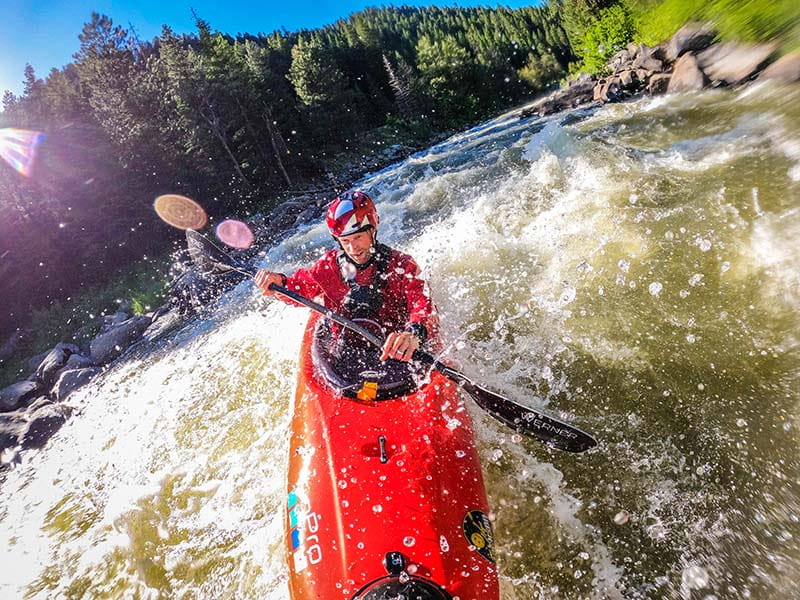
As a world champion freestyle kayaker, Nick Troutman was no stranger to discomfort.
From fumbling through tricks when he first fell in love with the sport at age 13 to flipping his way through roaring rapids on his path to dozens of medals and a world championship, he’d endured his share of muscle strains, cuts and bruises.
But the chest pain he felt during a workout in early 2025 was something new.

Nick was six months from racing for a world championship. His training routine mixed daily runs with weight sessions and hours paddling through nearby rapids and waterfalls. On a Tuesday in January, he left his home in Walling, Tennessee, for a 4-mile run past farm fields and neighbors’ houses.
As Nick jogged along the gravel path, he thought about his goals for the year that he’d just written out: win another national title (his first was in 2006) and compete alongside his kids—Tucker, 12, and Parker, 9—both already paddling their own kayaks.
Partway through his run, Nick felt a sudden, intense pressure in his chest — like he couldn’t catch his breath. It reminded him of training at altitude, except this stretch of Tennessee road was pancake flat. He told himself it must be a reaction to the coffee he’d downed earlier, though he’d never had a problem with caffeine.
The next day, he felt the same chest pressure. At home, he told his wife, Emily, a three-time world champion freestyle kayaker, “It was almost like I was having a heart attack.”
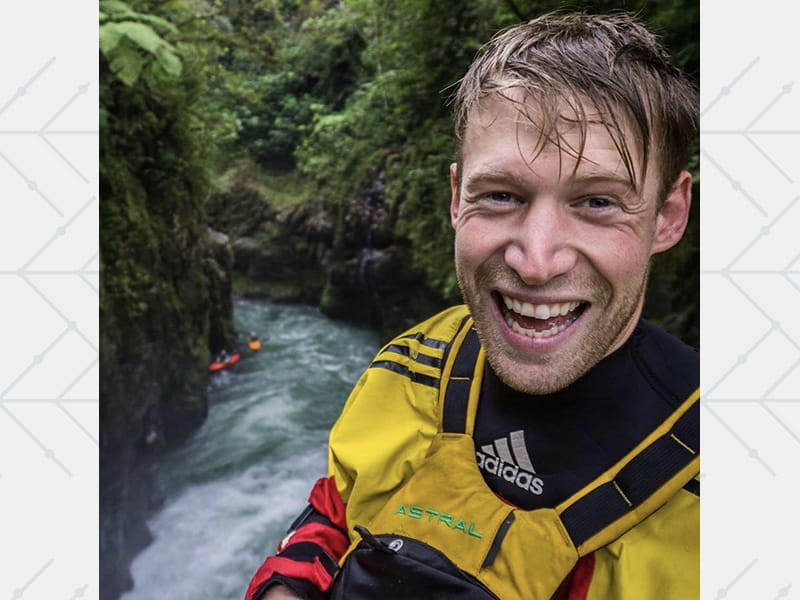
“You’re young, healthy and fit,” Emily said. “Maybe it’s a panic attack?” something her father – yet another world-champion kayaker – sometimes experienced.
“Go to the doctor,” she said.
But Nick didn’t make an appointment. Convinced his breathlessness wasn’t anything serious, he went for another run that Thursday and again Friday.
He huffed and puffed. He ran faster, pushing through the discomfort just like he was used to doing.
At home after the Friday run, he lay on the floor, his face pale, to catch his breath. Then he went upstairs and dozed off. When he awoke, he felt OK. Outside with Tucker that night, he tossed a football back and forth twice, then doubled over, his breath quickening.
“Buddy, I can’t play right now,” Nick said. “I don’t know what’s going on.”
The next morning, Nick tried to relax in a bath. He rubbed his chest as the pressure continued. He also thought about an upcoming trip to Africa to film content for a sponsor with his brother-in-law, also a world champion kayaker.
“You’re not going until you get checked out,” Emily told him.

To fulfill that obligation, Nick went to a nearby emergency room. A protein marker in his blood work – his troponin level – signaled a heart problem. The doctor called for an ambulance to take Nick to another hospital better equipped to help heart patients.
At the second hospital, Nick’s troponin level was even higher. It was a holiday weekend, and the heart specialist couldn’t arrive until the next day. More tests uncovered the cause of Nick’s breathlessness: He’d had a major heart attack – several in fact.
Nick had 100% blockage in his left anterior descending artery, which supplies blood to the front of the heart. The blockage resulted from a tear in the artery, also known as spontaneous coronary artery dissection, or SCAD. Stranger still, the vast majority of SCAD patients are women in their 30s and 40s, often shortly before or after giving birth.
“You’re lucky to be alive,” the doctor told him.
Nick was treated medically. Doctors hoped the tear would heal on its own.
The next day, Sunday, Nick went home with a pamphlet that urged exercise, healthy eating and no drinking or smoking. He laughed because that was already his lifestyle – yet this inexplicably happened anyway.
At home, with Africa off the table, Nick rested and read more about SCAD.
He fell into a funk when he came across information suggesting caution with vigorous exercise for people who’d experienced SCAD. Nick panicked that his kayaking career might be over. He feared another spontaneous tear.
Over the next few months, he started a cardiac rehab program at home designed by a cardiac rehab specialist friend and former paddler. Nick walked, then jogged.
Just when exercise was making Nick feel more like himself, a heart specialist he visited – in hopes of calming his fears – provided more gloom and doom. Nick was told to stop competing, not lift weights and be careful on runs.
So he saw another SCAD specialist. This doctor, understanding how important paddling was to Nick, emphasized that his heart was now healthy. As long as he was willing to listen to his body, his career didn’t have to be over.
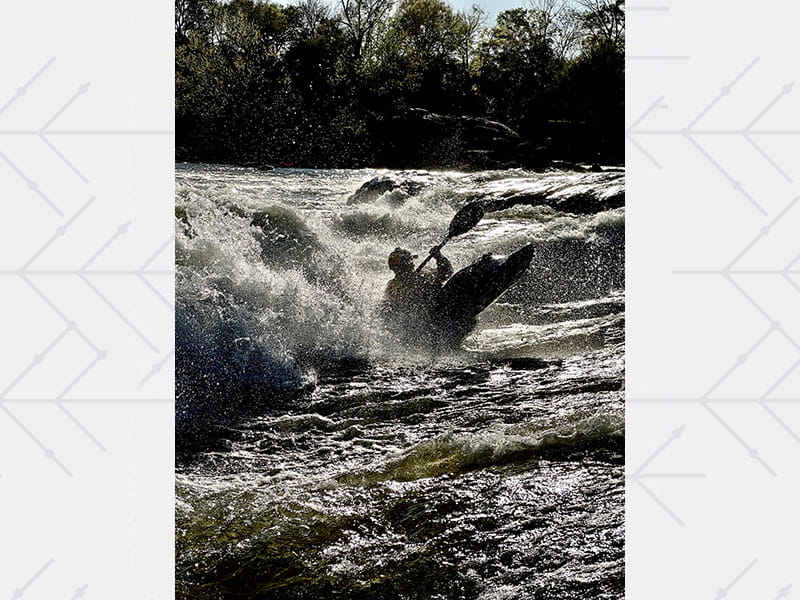
It came down to risk tolerance. And Nick knew all about assessing risk. In kayaking, he’d done plenty of “first descents,” which means he was the first person to successfully navigate a river or rapid.
A week later – and three months after his heart attack – Nick, Emily and Tucker participated in a freestyle kayak competition in Columbus, Georgia. Nick placed first in his division; so did Emily.
Nick went on to compete every weekend after that, including in the world championships in Germany in July, with Emily and Tucker. In October, he took home the bronze at nationals.
Now 37, he wears a heart monitor while training. He’s more proactive about managing stress with breathwork or by going on walks.
“Nick is thriving,” Emily said. “He’s taking care of himself, and he’s even more aware of how sacred life is.”

Since the heart attack, the Troutmans have worked to spread awareness about SCAD — a condition doctors still don’t fully understand — and how it can happen to even young, otherwise healthy people. Fellow athletes who’ve experienced SCAD and were encouraged not to compete again have found hope in Nick’s story, the family said.
“Having a heart attack,” Nick said, “isn’t a life sentence.”
Nick’s experience is a reminder that heart emergencies don’t always look the same — and that recognizing the symptoms of heart attack, stroke and cardiac arrest can save lives. Learning the warning signs and CPR can help others respond when it matters.
Stories From the Heart chronicles the inspiring journeys of heart disease and stroke survivors, caregivers and advocates.