Finding Balance as a Caregiver
Quick Facts
- It can be difficult to balance caring for yourself and caring for a loved one.
- Taking care of yourself is an important part of being a caregiver.
- Small steps, such as healthy eating, physical activity and rest, can support your well-being.
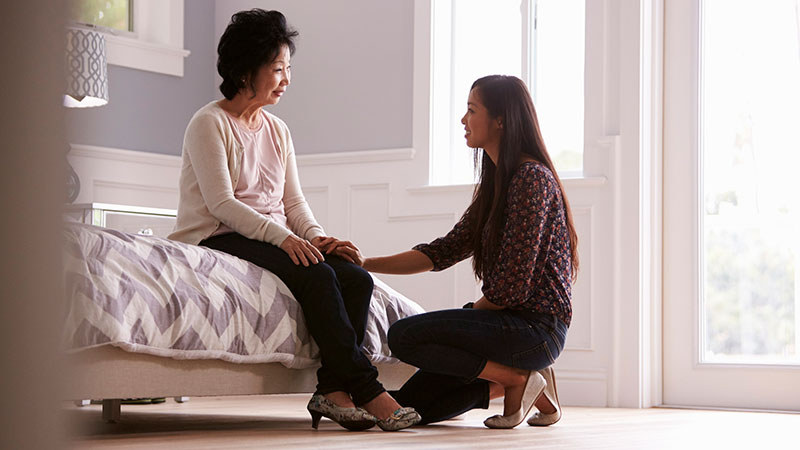
When you are caring for a loved one with heart disease or recovering from a cardiac event, it can be hard to find time for yourself. But your health and well-being matter, too. Finding balance between caring for your loved one and caring for yourself can be challenging.
A sudden cardiac event can make this even harder. During a loved one’s recovery and cardiac rehab, family members often begin returning to their usual duties. Knowing when it’s OK to step back and focus on other parts of your life can be difficult.
Find balance along the way
Caring for a loved one can make it easy to put your own needs aside. At the same time, taking care of yourself is an important part of being a caregiver. Finding a balance between caring for your loved one and caring for yourself can help support both of you.
Setting aside your own needs to focus on your loved one’s recovery is understandable, especially in the days and weeks after a cardiac event. As recovery continues, making time for your own health, relationships and interests can help you maintain the energy and well-being needed to provide support over the long term.
Nourish yourself and your family
When you’re caring for a loved one with heart disease or recovering from a cardiac event, finding time for healthy habits can be challenging. Busy schedules may lead you to rely on convenience foods more often than you’d like. Over time, foods high in sodium and added sugars can affect the health of you and your family.
Small changes can help you build healthier eating habits for yourself and those around you.
- Learn about heart-healthy eating. Understanding nutrition labels and ingredients can help you make informed choices when shopping and preparing meals.
- Making healthy meals easier. Preparing nutritious meals doesn’t have to be complicated. Look for simple recipes and meal ideas that fit your schedule and budget.
- Try healthy changes one step at a time. Building healthier habits often starts with small changes. Try out new foods, recipes and drinks to find options your family enjoys.
- Model healthy habits. The choices you make can influence the people around you. Look for ways to add more vegetables and fruits to meals and snacks. Slowly reduce foods and drinks high in sodium, added sugars and saturated fat.
Move in ways that work for you
Finding time for physical activity can be challenging when you’re caring for a loved one. Even small amounts of movement can benefit your health. Activities such as brisk walking can help lower your risk of heart disease and stroke.
Rest and recharge when you need it
Taking care of yourself is an important part of caring for your loved one. When you make time for your own health and well-being, you can better manage the demands of caregiving over time.
These tips can help you care for yourself while supporting your loved one:
- Learn about your loved one’s condition. Understanding the condition, treatment options and recovery process can help you know what to expect.
- Know your limits. Think about what support you can provide and where you may need help from others.
- Look for tools that support independence. Technology and other resources may help your loved one stay more independent and make caregiving easier.
- Build a support network. Ask family, friends or community members to help with meals, household tasks, transportation or other caregiving duties.
- Talk with someone you trust. Sharing your concerns with a friend, family member or counselor can help you manage stress.
- Connect with other caregivers. Support groups and caregiver communities can offer encouragement, practical advice and a reminder that you’re not alone.
Many caregivers discover strengths they didn’t know they had. Over time, caregiving can help build resilience, confidence and a deeper understanding of what matters most.


