Recovering From a Cardiac Arrest
Quick Facts
- Your heart and body need time to recover from a cardiac arrest.
- Many physical and emotional changes are normal.
- You may benefit from cardiac rehab and a support group.
Surviving a sudden cardiac arrest (SCA) is a life-changing event, not only for you but also for the people around you. Before you leave the hospital, you and your family members will need to prepare for your care and recovery at home.
Your heart and body have been through a major event and need time to recover. Recovery time can depend on what caused your cardiac arrest and how long it took your heart to start beating on its own again.
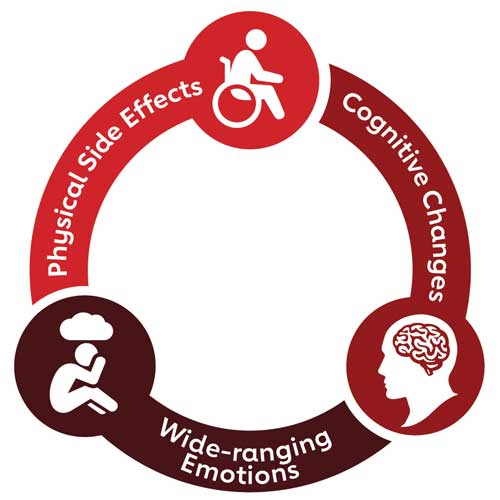
You may find changes in your physical and mental abilities over the next year while you recover. Knowing what to expect and how to deal with things may help you and your family handle them better.
What physical side effects may I have?
Many cardiac arrest survivors have reported these physical side effects:
- Physical fatigue
- Muscle weakness
- Pain
- Changes in speech
- Problems with fine motor skills
- Trouble swallowing
- Difficulty sleeping
- Changes in sexual desire or function
- Medication side effects
Recovery looks different for each survivor. Some people notice steady improvement over the first year, while others may need ongoing support.
How might my brain function be affected?
During your cardiac arrest, blood flow to your brain stopped, which meant the oxygen to your brain was limited or reduced. This may result in some cognitive changes during your recovery. Many survivors have reported the following brain-related issues after their SCA:
- Lack of focus or attention
- Short- and long-term memory issues
- Lack of planning and organizational skills
- Reduced ability to learn new things
- Language problems ‒ understanding speech and speaking skills
Some survivors report that their brain-related changes get better while some survivors have more severe deficits and require long-term support.
Is it normal to have a range of emotions following an SCA?
Yes, it’s common for people to feel a wide range of emotions following a cardiac arrest.
Fear, anxiety, depression and loneliness are some common feelings. These feelings are linked to changes in life after an SCA. These may include:
- Trouble being in the same roles and activities you had before
- Fear of the unknown
- Fear of another cardiac arrest
- Increased dependence on others
These feelings are often mixed with feelings of joy, elation and gratitude for being alive.
You’re not alone. Surviving and recovering from sudden cardiac arrest can be a traumatic experience, not just for the survivor, but for their family, friends and witnesses too. In addition to discussing your feelings with trusted friends, family or spiritual counselors, it’s important to get the right professional help.
Talk to your healthcare team about finding a therapist, or if you have insurance, call the phone number on the back of your card to find out how to find mental health support.
How cardiac rehabilitation after cardiac arrest can help
Some people who survive sudden cardiac arrest may be referred to a local cardiac rehabilitation program. Cardiac rehab may be helpful if you:
- Had a heart attack
- Have a heart condition, such as coronary artery disease (CAD), angina or heart failure
- Had a heart procedure or surgery, such as:
- Coronary artery bypass graft (CABG) surgery
- Percutaneous coronary intervention (PCI), including coronary or balloon angioplasty and stenting,
- Valve replacement
- A pacemaker
- An implantable cardioverter defibrillator (ICD)
Cardiac rehab is a medically supervised program that includes exercise training, education about heart-healthy living and support to help reduce stress.
Cardiac rehabilitation may help improve physical function, confidence and overall recovery after a cardiac event. Learn more about cardiac rehab.
Consider a cardiac arrest survivor support group
Even with the best intentions, family and friends also may not understand how survivors are feeling. Survivors often find it helpful to talk to other survivors who have been through what they have.
Check if your area has an SCA survivor support group you can join, or see if there are online options that might be a better fit. The American Heart Association offers online communities designed to connect survivors of cardiac arrest.
What follow-up with my healthcare team will I need?
It is very important to follow up with your primary care professional to ensure they have the information about your event and recovery care. They may also be able to refer you to other resources you might find helpful.
Cardiac arrest affects each person differently. Speak with your healthcare team about any unusual symptoms you have or other changes you are going through.
You may want to ask:
- Will I be on these medications forever?
- When can I return to work?
- Can I exercise or return to my normal activities?
- When can I be intimate with my partner?
- When can I drive?
- How can I prevent this from happening again?
- Are there other healthcare professionals I need to see, such as a physical therapist, nutrition specialist or psychiatrist?
- Are my family members at higher risk of cardiac arrest?
Family members, especially those you live with, have also “survived” this life-changing event with you. You may not see it, but they may be struggling, too. They are trying their best to understand and support you. They also may need support. The American Heart Association offers online communities designed to connect caregivers of loved ones with heart conditions.
Cardiac Arrest Information Sheets


