Treatment of Cardiac Arrest
Quick Facts
- Cardiac arrest needs treatment right away. Rescue treatment includes CPR and the use of an AED.
- More treatment and tests may be done in the hospital.
- After a cardiac arrest, you may need a device to help restore a normal heart rhythm when a life-threatening arrhythmia is present.
If someone is suffering from a cardiac arrest, they need treatment right away. Rescue treatment includes CPR and the use of an AED.
Signs of cardiac arrest include
- Lack of responsiveness
- No normal breathing
Only about 10% of people who have an out-of-hospital cardiac arrest survive. CPR, if started right away, can double or triple the chance of survival from an out-of-hospital cardiac arrest.
What to do if someone is in cardiac arrest
If you think someone is in cardiac arrest, act right away:
- Make sure the scene is safe.
- Check for responsiveness. Tap the person’s shoulders and ask loudly if they’re OK. If they don’t move, speak, blink or react, they are unresponsive.
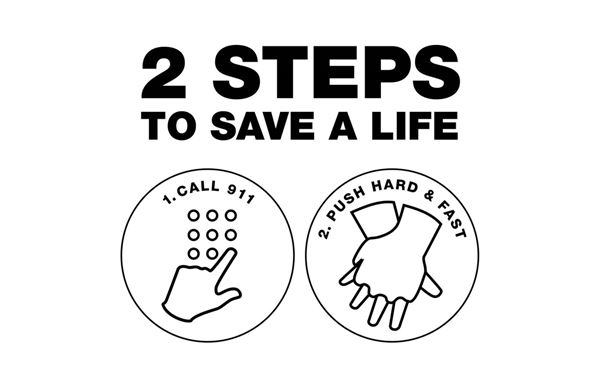
- Shout for help. Tell someone nearby to call 911 or your emergency response number. Ask that person or another person to bring you an AED (automated external defibrillator) as quickly as possible if there’s one on hand. If you’re alone with an adult who has signs of cardiac arrest, call 911 and get an AED yourself if one is nearby.
- Check for no breathing or only gasping. If the person isn’t breathing or is only gasping, start CPR with chest compressions.
- Perform CPR. Push down hard and fast in the center of the chest. Push down at least 2 inches at a rate of 100 to 120 pushes per minute. Let the chest return to its normal position after each push.
- Use an AED. As soon as the AED arrives, turn it on and follow the prompts. The AED will tell you if a shock is needed and what to do next. This may include CPR or additional shocks.
- Continue CPR. Keep going until the person starts to breathe or move, or until someone with more advanced training, such as EMS, takes over. If someone else knows CPR, you can take turns providing compressions. Switch about every two minutes or sooner if you get tired.
What happens after cardiac arrest?
If you have a cardiac arrest, you will be taken to the hospital. Your healthcare team will do tests to assess your condition. The results can help guide treatment and lower your risk of long-term health problems.
Your healthcare team will closely monitor your heart. They will also focus on preventing organ damage, especially to your brain.
You may receive one or more of the following treatments:
- Temperature control may help reduce brain injury after cardiac arrest. Cooling methods may be used to help manage body temperature during recovery.
- Oxygen therapy helps make sure your organs get enough oxygen while you recover.
- Extracorporeal membrane oxygenation (ECMO) pumps blood through an artificial lung. It adds oxygen and removes carbon dioxide before returning the blood to your body. This treatment gives your lungs and heart time to rest and heal.
What other tests and treatments may I receive?
Your healthcare team will try to find out what caused your cardiac arrest. Some tests you may have include:
- Blood tests
- Exercise stress tests
- Imaging tests
- Cardiac catheterization
- Electrophysiology (EP) study
If you are diagnosed with coronary heart disease, treatment may include:
- Medication
- Coronary angioplasty and stenting
- Coronary artery bypass graft surgery (CABG)
These treatments help restore blood flow through narrowed or blocked coronary arteries.
Genetic testing may be recommended for you and your blood relatives. This testing is done because some conditions that can increase the risk of cardiac arrest run in families.
It’s important to find out what caused your cardiac arrest. It’s also important for your family members to find out if they may be at risk of cardiac arrest due to an inherited condition or a gene that puts them at greater risk for one.
Why an implantable cardioverter defibrillator (ICD) may be recommended
If you’ve had a cardiac arrest, you may be at risk for another one.
Your healthcare team may advise that you get an implantable cardioverter defibrillator (ICD). This may happen during your hospital stay or shortly after. In some cases, you may be asked to wear an external cardiac defibrillator.
These devices can help save your life by delivering a low-energy shock to restore a normal heart rhythm when a life threatening arrhythmia is present.
Some people with an ICD can return to many of their usual activities, although there may be some restrictions.
Living with an ICD
Your ICD should be checked regularly by your healthcare professional to find out how the wires are working and how the battery is doing. Eventually, your ICD or battery may need to be replaced in a surgical procedure.
Talk to your healthcare team about your activities. Ask them what you can and can’t do. Ask them what you can and can’t do. Also, ask which types of machines or equipment you should avoid. Those with magnets and strong electrical fields may interfere with your ICD’s operation.
You should also:
- Tell airport security guards that you have an ICD. Ask them not to use handheld metal detectors on you.
- Tell your other healthcare professionals, including your dentist, that you have an ICD.
- Tell the doctors and nurses that you have one anytime you go to the hospital.
- Always carry a card with the details about your ICD and emergency contact information so others know that you have one in case of a medical emergency.
What if I’m anxious about living with my ICD?
It’s common for people to feel anxious or depressed, especially in the first months or year after they get their ICD. You need to know that you are not alone or without support. If you have these feelings, talk with your healthcare team and get help.
Cardiac Arrest Information Sheets