Can you have a heart attack and not know it?
By American Heart Association


What to know about silent heart attacks
- It’s possible to have a heart attack without symptoms or to experience an unnoticed heart attack. These events are known as silent heart attacks or silent myocardial infarctions.
- Many people don’t realize they’ve had a silent heart attack until a test reveals signs of heart damage.
- Silent heart attacks can also increase the risk of heart failure, stroke and other serious complications.
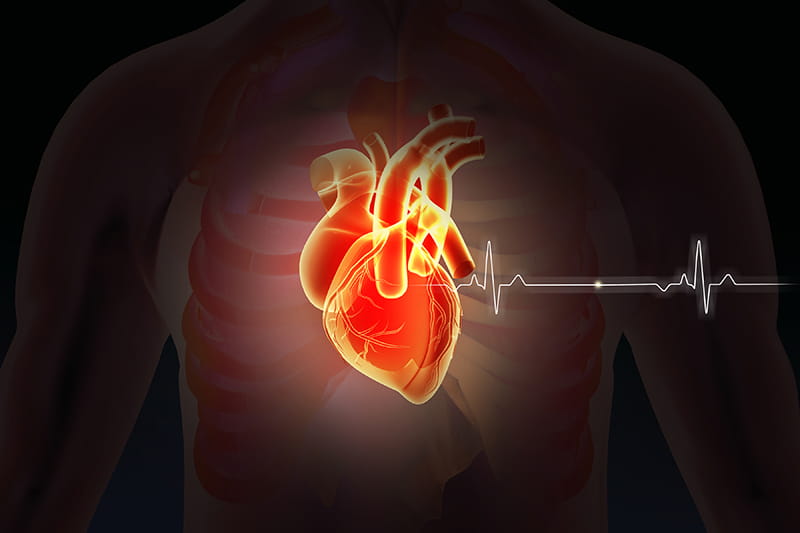
When some people think of a heart attack, they picture sudden, crushing chest pain and an ambulance trip to the emergency room. But not all heart attacks are so obvious. Some occur with mild, unusual or no symptoms at all, leaving people unaware that damage has occurred.
These events are known as silent myocardial infarctions, or silent heart attacks. And they're more common than many people realize. The American Heart Association estimates that approximately 170,000 of the 805,000 heart attacks that occur in the United States each year are silent.
While a silent heart attack may go unnoticed, it can still cause permanent heart damage and increase the risk of serious health complications later in life.
What is a silent heart attack?
A silent heart attack, also known as a silent myocardial infarction, is a heart attack that occurs with little or no warning signs. Like any heart attack, a silent one happens when blood flow to the heart muscle is reduced or blocked, depriving the heart of oxygen and potentially causing permanent damage. The difference is that symptoms may be absent, subtle or mistaken for something less serious.
Because its symptoms can be so mild, many people don't learn they've had a silent heart attack until they undergo testing for another condition. An electrocardiogram (ECG), echocardiogram or cardiac MRI may show evidence of old heart damage months or even years later.
However, silent doesn't mean harmless.
"Despite the lack of dramatic warning signs, it can cause the same type of permanent damage to the heart muscle as a recognized heart attack," said Dr. Elsayed Soliman, a professor of cardiovascular medicine at Wake Forest University School of Medicine in Winston-Salem, North Carolina.
What are the symptoms of a silent heart attack?
Silent heart attacks may not cause the severe chest pain commonly associated with heart attacks. Symptoms can vary from person to person. In some cases, the signs are mild enough that they're mistaken for stress, aging, indigestion or another health issue, said Dr. Mohamed Ridha, an assistant professor of neurology at The Ohio State University Wexner Medical Center in Columbus.
- Silent heart attacks share many of the same symptoms as other heart attacks, including: Unusual fatigue
- Shortness of breath
- Mild chest discomfort or pressure
- Indigestion or heartburn-like symptoms
- Nausea
- Dizziness or lightheadedness
- Sweating
- Pain in the jaw, neck, back or arm
Because the symptoms can resemble everyday ailments, many people don't realize they had a silent heart attack until weeks, months or even years later.
Ridha said sometimes people look back in hindsight and realize an episode of unexplained exhaustion or breathlessness may have been more significant than they initially thought.
Who is most at risk for a silent heart attack?
The risk factors for silent heart attacks are largely the same as those for other heart attacks.
Those risk factors include:
- Increasing age
- Diabetes
- High blood pressure
- High cholesterol
- Smoking
- Excess weight
- Chronic kidney disease
- Family history of heart disease
While the risk is higher in people with these conditions, anyone can experience a silent heart attack.
People with diabetes may be particularly more vulnerable because diabetes-related nerve damage can make heart attack symptoms less noticeable, Soliman said.
Women may be more likely to experience less-associated symptoms such as fatigue, nausea, shortness of breath and back pain, which can make silent heart attacks harder to recognize, Ridha said.
What happens if a silent heart attack goes untreated?
A silent heart attack can be just as dangerous as a diagnosed heart attack that is treated, even if symptoms are mild or go unnoticed. Although a person may not realize they're having a heart attack, the event can still permanently damage the heart muscle and increase the risk of serious long-term health complications.
"The absence of symptoms does not mean the absence of injury," Soliman said. "A silent heart attack is far from harmless. In fact, studies have shown that the long-term prognosis of a silent heart attack can approach that of a clinically recognized heart attack."
A study of older adults in Iceland published in JAMA Cardiology in 2018 found that after 10 years, mortality rates among people who had an unrecognized heart attack were nearly identical to those who had a recognized heart attack, highlighting the long-term risks a silent heart attack.
Silent heart attacks can have lasting effects
Research shows that silent heart attacks can increase the likelihood of developing serious health problems later in life.
A 2018 study published in the Journal of the American College of Cardiology found that individuals with silent heart attacks faced a 35% higher risk of heart failure than those with no evidence of a previous heart attack.
Silent heart attacks have also been linked to a greater risk of stroke. In Ridha's research involving stroke survivors, participants with evidence of a silent heart attack experienced significantly higher rates of recurrent stroke than those with no history of heart attack and even those with a diagnosed heart attack.
Emerging research suggests the effects of silent heart attacks may extend beyond the heart. In a study published in the journal Stroke, Ridha and colleagues examined the effects that silent heart attacks had on cognitive decline.
"Our study found that individuals who have had a silent heart attack had faster long-term decline in their global cognitive function compared to those who never had a heart attack at all," Ridha said.
Ridha suggests that this connection may be explained by the close relationship between heart and brain health. Reduced blood flow, shared risk factors for heart disease and stroke and the possibility of small, unrecognized strokes may all contribute to cognitive decline over time.
How are silent heart attacks diagnosed?
“Many silent heart attacks are discovered by chance during a routine medical evaluation or when testing is performed for another reason,” said Soliman.
The most common tools used to diagnose an unnoticed heart attack include:
An ECG shows patterns that suggest previous heart muscle injury. Echocardiograms may reveal areas of the heart that no longer contract normally.
“Cardiac MRI is often considered the gold standard because it can directly visualize scar tissue left behind by prior heart attacks,” said Soliman.
In many cases, a silent heart attack diagnosis happens long after the event itself. The good news is that evidence of a prior heart attack often remains detectable for years.
"It is rarely too late to recognize that a heart attack occurred," Soliman said. "The structural changes caused by the injury, such as scar tissue, abnormal heart muscle motion or characteristic ECG changes, can remain detectable for many years, sometimes for life."
What to do if you think you’ve had a silent heart attack?
If you're currently experiencing symptoms that could indicate a heart attack, call 911 and seek emergency medical attention immediately.
If you think you've experienced an undiagnosed heart attack or had symptoms that may have been a silent heart attack, talk with your healthcare professional.
"The first step is to talk with your primary care doctor and not try to diagnose yourself," Ridha said.
Soliman agrees. "They should schedule an appointment with their healthcare provider rather than dismissing it as something that has already passed," he said.
A healthcare professional can review symptoms, assess cardiovascular risk factors and determine whether additional testing is warranted.
Can silent heart attacks be prevented?
While not every silent heart attack can be prevented, many of the same lifestyle habits that reduce the risk of heart disease, stroke and heart attack may also lower the risk of a silent heart attack.
"Many silent heart attacks are likely preventable because they share the same underlying causes as recognized heart attacks," Soliman said.
The same prevention strategies recommended for recognized heart attacks apply to silent heart attacks, including Life’s Essential 8:
- Eating better
- Being more active
- Quitting tobacco
- Getting healthy sleep
- Managing weight
- Controlling cholesterol
- Managing blood sugar
- Managing blood pressure
"Life's Essential 8 is an excellent framework," Ridha said. “It targets the modifiable cardiovascular risk factors that contribute to both heart disease and stroke.”
Depending on an individual’s risk, a healthcare professional may recommend cholesterol, blood pressure or blood sugar medications or other therapies.
Visit your healthcare professional for regular evaluation, and seek immediate care for any unusual cardiac symptoms, even if they’re mild.
Don't ignore the silent warning signs
Yes, a person can have a heart attack and not know it. But a silent heart attack should never be viewed as a harmless event. Even when symptoms are mild or absent, lasting damage can occur and the risks of future heart attack, heart failure, stroke and cognitive decline may increase.
"Identifying a prior silent heart attack can prompt healthcare professionals to reassess cardiovascular risk and consider guideline-based preventive therapies,” said Soliman. “The goal is not simply to diagnose what happened in the past, but to prevent what may happen next."
Evaluate your own heart health using My Life Check, an online tool that uses Life’s Essential 8 to better understand your risk for heart disease and stroke.