What is aortic dissection? Symptoms, causes and how to lower risk
By American Heart Association


What to Know
- Aortic dissection is a sudden tear in the body's main artery that can happen with little warning. It is often fatal without rapid treatment.
- Sudden, severe chest or back pain are typical symptoms.
- High blood pressure is the leading preventable risk factor. Smoking and high cholesterol also may increase risk.
- Quick diagnosis and treatment can save lives.
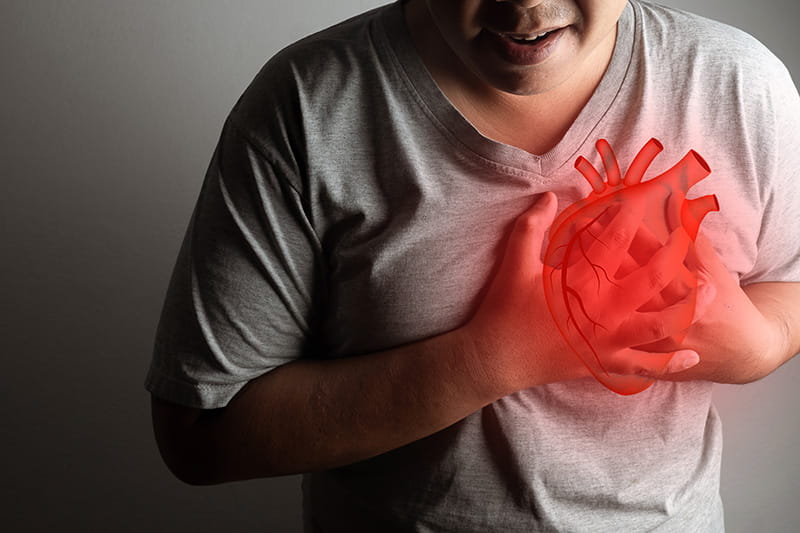
An aortic dissection – a tear in the inner layer of the main artery – is a life-threatening emergency.
It can happen with little warning, as apparently was the case with U.S. Sen. Lindsey Graham. His sudden death at age 71 was preliminarily attributed to an aortic dissection stemming from plaque buildup in his arteries.
“Aortic dissection is uncommon but highly lethal,” said Dr. Alexandra Lansky, director of the Heart and Vascular Center Clinical Research Program at Yale University in New Haven, Connecticut. “So rapid recognition is essential.”
Here’s what happens in an aortic dissection and how you can lower your risk.
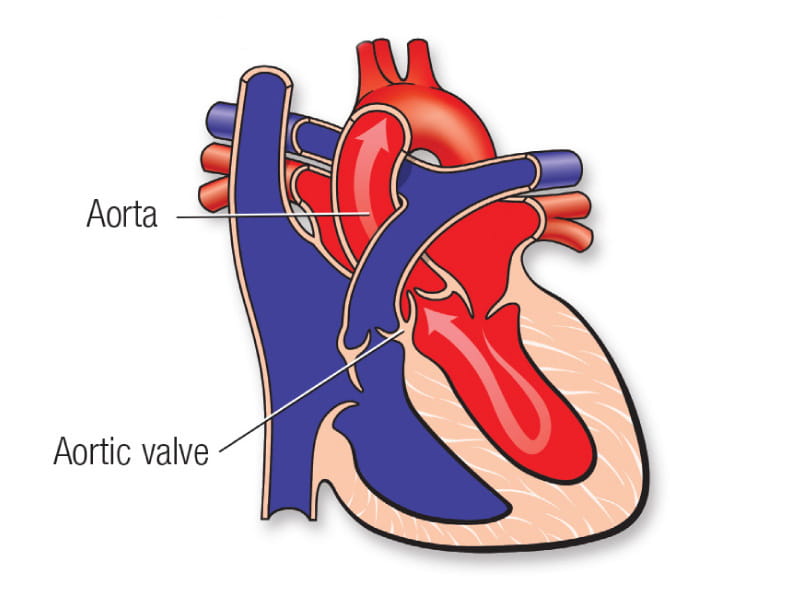
What is an aortic dissection?
The candy cane-shaped aorta is the body’s largest artery. It arches over the heart then drops behind it to carry blood to the body.
Segments in the chest are called thoracic. Lower down, below the diaphragm, it’s the abdominal aorta.
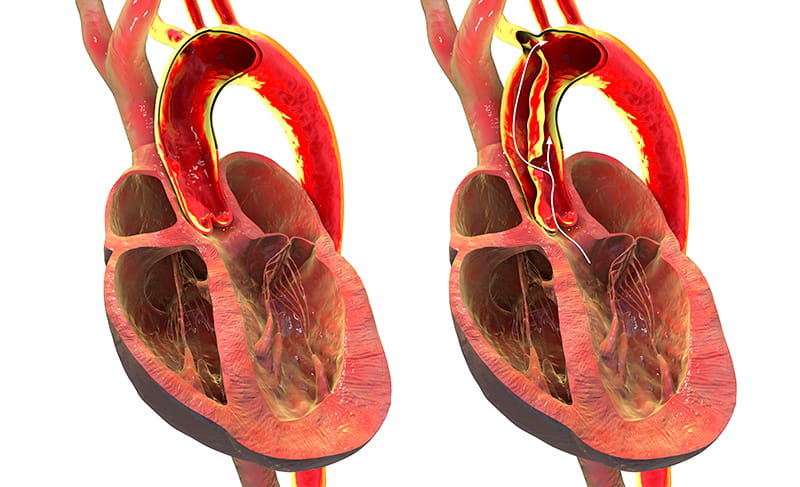
The wall of the aorta has three layers. If the inner lining tears, blood can start flowing between the layers. This false channel can reduce blood flow to vital organs, Lansky said.
The misdirected blood also can cause the layers to separate, or dissect, said Dr. Adam W. Beck, director of vascular surgery and endovascular therapy at the University of Alabama at Birmingham. The outermost layer of the aorta is thin, and it can eventually rupture.
Dissections involving the ascending aorta can deprive the heart itself of blood, Beck said. Such tears also can flood the sac that surrounds the heart with blood.
Either situation can be fatal. Ascending aortic dissection is “one of the most lethal cardiovascular emergencies,” Lansky said.
An aortic tear killed actors John Ritter at age 54 and Alan Thicke at age 69.
Tears high in the aorta require immediate surgery, but dissections in the lower, descending parts might be treatable with medication, said Beck, a co-author of the American Heart Association's Guideline for the Diagnosis and Management of Aortic Disease.
What causes an aortic dissection?
Graham’s dissection was preliminarily linked to atherosclerosis – plaque buildup in the arteries. That “is not the primary cause of most aortic dissections,” Lansky said.
But aortic dissections and coronary artery disease do share risk factors, said Beck. “If you had a Venn diagram, they would definitely overlap.”
Those risk factors more commonly affect the lower part of the aorta. They include:
- High blood pressure. Longstanding, uncontrolled high blood pressure, or hypertension, is “probably the highest risk factor,” Beck said.
- Smoking. A history of smoking 100 or more cigarettes in a lifetime is a major risk factor for abdominal aortic aneurysm. (An aneurysm is a weakening or bulging of the artery wall.)
- High cholesterol. Unhealthy levels raise the risk of both abdominal aortic aneurysms and other cardiovascular events, such as heart attacks.
Someone can have an aortic dissection without also having plaque-lined arteries, Beck said, “but the atherosclerosis certainly does increase your risk.”
Men are more commonly affected than women, Lansky said. Most aortic dissections occur in people between the ages of 50 and 70.
About 20% of thoracic aortic aneurysms and dissections have a familial component, Beck said. Genetic syndromes that raise the risk of aortic dissections in younger people include Marfan syndrome, a connective-tissue disorder.
What are the warning signs for an aortic dissection?
“The hallmark symptom is sudden, severe chest or back pain, often described as tearing, ripping, or the worst pain of one’s life,” said Lansky.
Other warning signs include:
- Pain that moves from the chest to the back or abdomen
- Sudden shortness of breath
- Fainting
- Stroke-like symptoms, such as limb weakness or trouble speaking
- Weakness or numbness
- Loss of pulse or differences in blood pressure between the arms
“These symptoms require immediate emergency evaluation,” she said.
But most patients will not have any symptoms leading up to the dissection, so identifying people at increased risk is important, Lansky said.
How can you prevent aortic dissection?
Prevention focuses on:
- Aggressive blood pressure control. “Even though you may not feel bad with hypertension, over time, it can cause some damage to the walls of your arteries that’s irreversible,” Beck said.
- Helping smokers quit. “Tobacco smoking is a particularly high risk factor for atherosclerosis and thus, aortic dissection,” Beck said.
- Managing cholesterol and other cardiovascular risk factors. Medications such as statins decrease your risk of atherosclerosis, which might then reduce your aortic dissection risk, Beck said.
Ultrasound to screen for abdominal aortic aneurysm is recommended for men ages 65 to 75 who have ever smoked. Other types of scans can evaluate people with a family history of thoracic aortic disease.
“For people with inherited disorders, lifelong surveillance and expert care with a cardiologist can dramatically reduce the risk of catastrophic events,” Lansky said.
What ER doctors should know
Beck said the aorta should be kept in mind when patients arrive at an emergency room with chest pain.
Everybody associates chest pain with heart attacks, he said. While those are more common, if standard tests don’t indicate a heart attack, imaging is necessary to spot a dissection. “So the ER doctors should think about the aorta,” he said.
Rapid recognition of an aortic dissection is essential, Lansky agreed. “It can mimic a heart attack, pulmonary embolism, or stroke, which is why prompt imaging is critical.”
What might life be like for survivors of aortic dissection?
Life expectancy and quality of life can be quite good for survivors after surgery, Lansky said. “Most patients can resume active, independent lives, but they must accept that they have a chronic aortic condition requiring lifelong blood pressure control, regular imaging and ongoing follow-up with an experienced aortic specialist.”
The greatest challenges for many survivors, she said, “are not only the need for continued surveillance but coping with the psychological impact of having survived a life-threatening cardiovascular emergency.”
High blood pressure is one of the biggest risk factors for aortic dissection and other serious cardiovascular problems. Even if you feel healthy, knowing and managing your blood pressure can help protect your arteries over time.
Visit the American Heart Association's Blood Pressure Explained hub to learn what your numbers mean, how often to check them and steps you can take to keep them in a healthy range.