A quick turn on the field led to a life-changing stroke
By Albert Stumm, American Heart Association News


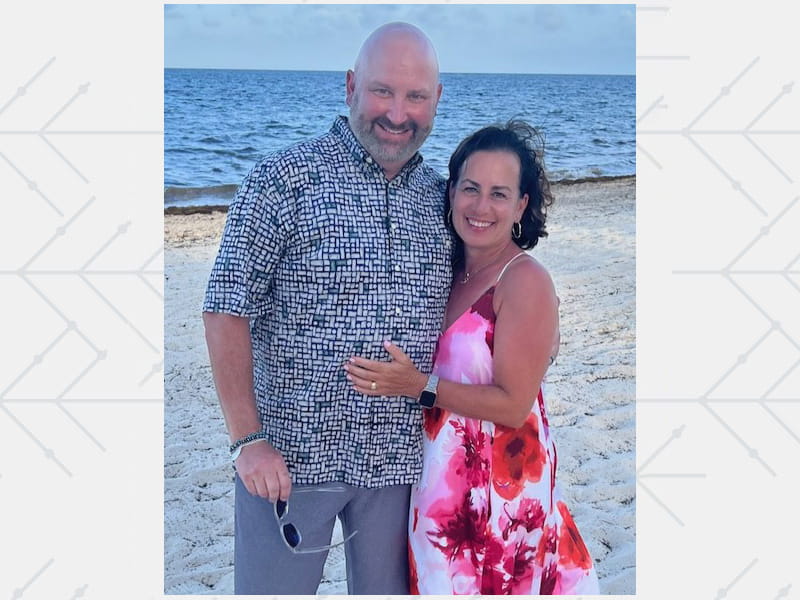
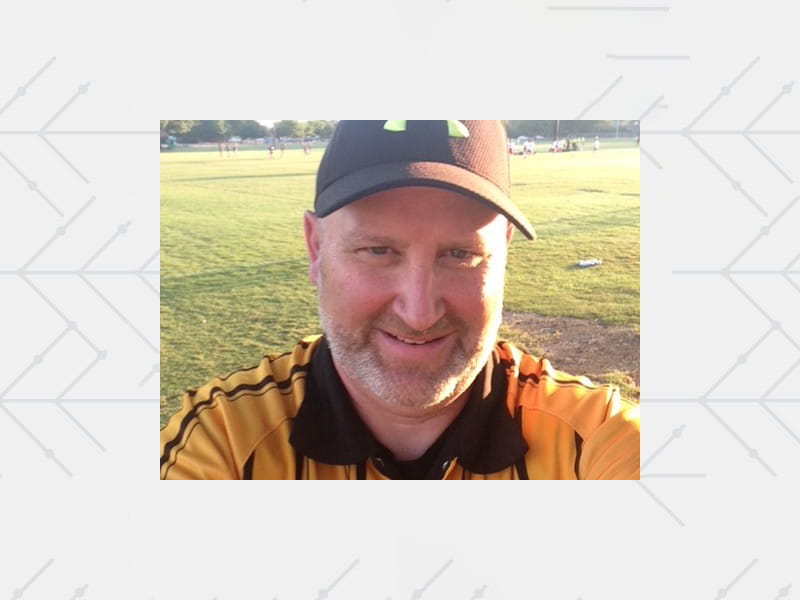
The Texas sun was shining as Brian Sureck stepped onto the field and blew the kickoff whistle. With temperatures in the high 70s and a light breeze, it was a perfect spring day for a soccer game.
A longtime referee and former college player, Brian had no trouble keeping up with 17- and 18-year-olds – despite being three times their age. He stayed in optimal shape by playing softball and golf and coaching soccer. As a referee, he routinely logged more than a dozen miles on the field.
But during the second half of the game that April afternoon in 2016, everything changed.
Stroke symptoms begin during soccer game
Brian was at midfield when he made a quick turn to chase a player with the ball. Instantly, his mouth went dry and he was overcome by a piercing headache. He pulled himself together, chalking it up to dehydration. He finished the game thinking how foolish he’d been for not drinking enough fluids.
Back at home in Plano, a Dallas suburb, Brian loaded up on electrolytes and water, ate a big dinner and took over-the-counter pain medication before bed.
He shot awake in the middle of the night in excruciating pain. Debilitating cramps wracked most of his body. He was well stocked with ice packs to treat cramps but not enough to soothe his screaming hamstrings, calves, quads and back.
Brian managed to get back to sleep. He woke up later with a headache but felt well enough to go to his marketing job at a food conglomerate.
Blood pressure reading signals a larger problem
The following day was much the same, although Brian confided to a colleague that he wasn’t feeling well.
“Go downstairs to the gym and take your blood pressure,” she said.
Brian did. His blood pressure measurement was 188 over 100 — extremely high for anybody, let alone a man who had never had elevated blood pressure. A few hours later, he measured it again. Still high. So, he went to his doctor, who prescribed a medication to help control his blood pressure.
While picking up his prescription at the pharmacy, Brian lost full control of his body. He stumbled into a product display at the end of an aisle.
Stroke symptoms become impossible to ignore
After going home to take a nap, Brian awoke to discomfort in his right quadriceps. He grabbed an ice pack and put it on the thigh. He felt nothing.
Surely the problem was the ice pack, not his leg. To check, he put it on his left leg.
He winced from the cold.
It was time to call his cousin, Brad London, a Dallas firefighter and paramedic.
Follow-up doctor’s visit finally results in an answer
Brad was accustomed to getting Brian’s calls out of the blue. Realizing this wasn’t merely to chit-chat, he sprung into paramedic mode.
“Are you weak?” Brad asked. “Do you have one-sided weakness? Are you able to smile?”
He asked Brian’s wife, Alisa, to help him stand and to see if he could raise both arms to the same level. Brad suspected a stroke.
The acronym B.E. F.A.S.T. is a good way to remember the symptoms of a stroke. If someone shows sudden Balance loss, Eye or vision changes, Face drooping, Arm weakness or Speech difficulty, it’s Time to call 911.
In the emergency room, Brian’s speech slurred and his face drooped. At certain points, his arms and legs were flailing so severely that hospital staff strapped him to the bed.
Doctors didn’t know what was wrong. They told Alisa that Brian had a 50-50 chance of making it through the night.
Over the next few days in the hospital, tests were inconclusive. Brian was discharged.
It wasn’t until he saw a neurologist that the cause of Brian’s problems was discovered.
His right vertebral artery, which supplies blood from the heart along the spine to the brain, had torn – likely that day on the soccer field. The artery was 100% blocked, triggering a stroke.
Rebuilding his life after stroke, one step at a time
Brian dove into occupational therapy with a determination that he wouldn’t let the stroke define him. Now, 10 years later, it hasn’t.
Despite lasting impairment on his right side, Brian – now 63 – plays golf three times a week with a group of friends he’s been playing with for 40 years. He avoids sand traps out of fear of falling. He sometimes cuts short a round if it gets too hot.
As for his overall game, he said, “I'm playing golf just as poorly as I did before.”
Brian struggles with memory issues, tingling and pain in his hands and feet and a brutal case of restless leg syndrome. He occasionally deals with crushing migraines. He’s also endured a series of transient ischemic attacks. These are sometimes called mini strokes and are caused by a clot temporarily blocking blood flow to the brain.
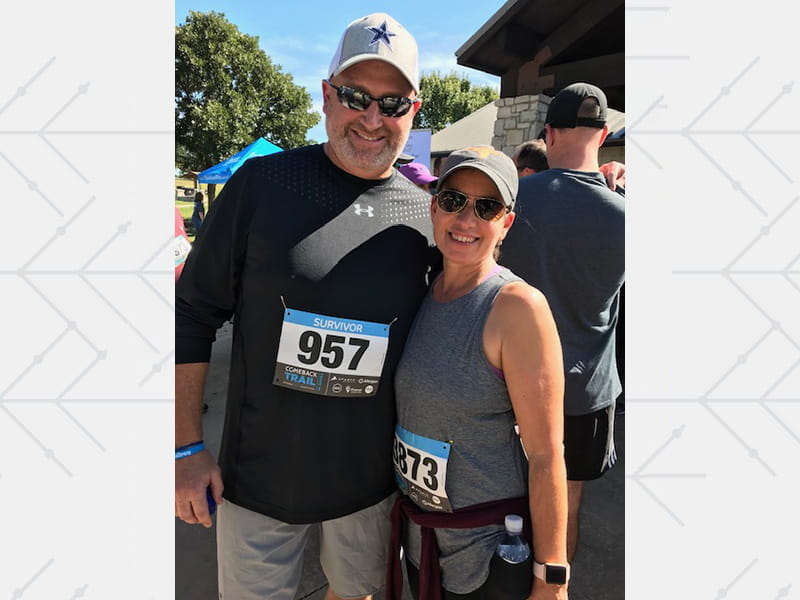
As a lifelong athlete, his limited mobility has been frustrating. But he finished a 5K walk benefiting stroke research to prove to himself that he could still be active.
“At first, it was really hard for me to come to terms with the fact that I wasn't who I was before physically,” Brian said. “But I'm in a much better emotional place. I understand how to ask for help, which I never did before.”
Vertebral strokes can be hard to diagnose, in part because they’re less common and because the warning signs mimic other issues. Common symptoms include dizziness (vertigo), headache, balance issues, numbness and/or neck pain. Be especially alert to whether these symptoms begin after an injury or strenuous activity.
Every stroke recovery journey is unique. Join the next House Calls: Stroke Meetup to connect with others, share experiences and learn from people who understand the challenges and successes of life after stroke.
Stories From the Heart chronicles the inspiring journeys of heart disease and stroke survivors, caregivers and advocates.