3 heart attacks, 3 strokes, a heart transplant and a new mission
By Deborah Lynn Blumberg, American Heart Association News


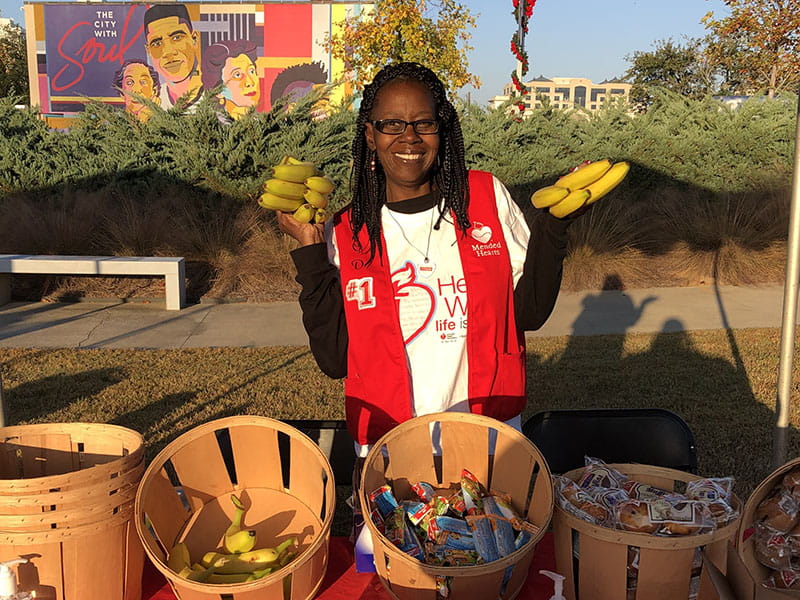
In her classroom, Angela Hughes Lewis found herself getting winded just from talking to her kindergarten students. Taking more than a step or two left her out of breath, too.
At 35, Angela knew she needed to see a doctor. Before she could, though, she woke up one morning gasping for air in her home in East St. Louis, Illinois. She cried out as a pain shot from her chest straight through to her back. Her chihuahua, Chichi, came running over.
“Go get the kids,” she choked out. Amazingly, Chichi ran out of the room barking. Soon, the dog returned, along with Needra, 14, Edward, 13, and Lonetta, 8.
At the hospital, doctors told Angela she’d had a heart attack. But they weren’t quite sure why. She didn’t have any blockage in her arteries.
Angela stayed in the hospital for two weeks, her chest aching so badly she needed sedation. At home, she didn’t have time to rest. She was helping to care for her mother, who was using a wheelchair because of limitations caused by heart disease.
A few weeks after returning home, Angela was helping her mom out of bed when she felt the same stabbing pain in her chest.
It was a second heart attack.
Angela slumped to the floor. Back in the hospital, more tests produced the same frustrating result: unknown cause. So she went home again.
Another health issue leads to an answer
Later that same year, Angela was spending a relaxing day with Needra at a local hotel pool when she went to pour a soda. Her hands suddenly went floppy. She couldn’t speak. She was having a stroke.
With the help of stroke rehabilitation, Angela regained her speech. But she still didn’t know what was causing her health problems. She stopped working and set up appointments with several specialists.
Finally, two years after her first heart attack, Angela was diagnosed with congestive heart failure. It is a condition in which the heart is too weak to efficiently pump blood through the body.
Doctors suspected cardiomyopathy, a condition that weakens and damaged the heart muscle over time, making it stiff and less able to function normally. Angela also had atrial fibrillation, a persistently irregular heartbeat that may have contributed to her weakened heart muscle and increased her risk of stroke.
Angela’s doctor mentioned the possibility of a heart transplant in the future. But he wanted to try medication to strengthen her heart and reduce fluid buildup.
Her heart failure worsens
Medication didn’t work as Angela’s doctor had hoped, though. Over the next few years, Angela had a second stroke and then a third heart attack.
Seven years after her heart failure diagnosis, Angela’s heart was really struggling.
Her heart’s ejection fraction – the percentage of blood pumped out with each heartbeat – was down to about 30%. The normal range is about 50% to 70%.
Her doctor decided to place an implantable cardioverter device in Angela’s chest. An ICD monitors the heart and can deliver a life-saving electric shock if a dangerous abnormal rhythm that could lead to sudden cardiac arrest.
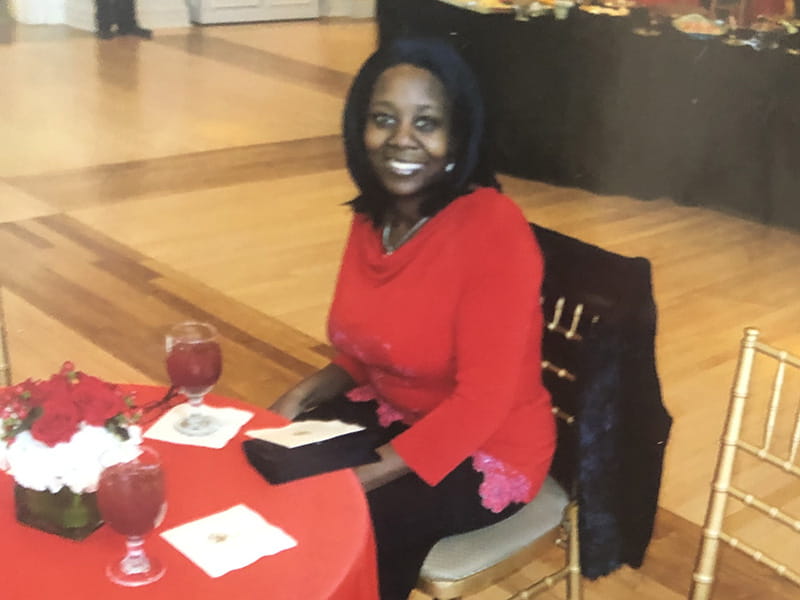
A failing heart, a new hope
The next year, Angela was at Lonetta’s house when she had a third stroke.
Within two years, Angela’s heart was running out of power. She needed a new heart. While waiting for a match, she received a left ventricular assist device, or LVAD, a machine that essentially does the pumping for the left side of her heart.
About two years later, she got the call – a donor heart was found. Within weeks of the transplant, Angela felt stronger than she had in decades.
Using her second chance to inspire other women
Now, 16 years later, Angela is 63 and taking full advantage of her second chance at life.
She takes exercise classes at her church, goes to the gym and spends as much time as possible with her eight grandchildren and great-granddaughter.
“I’ve seen my grandchildren get their degrees,” she said. “You just have to have faith and believe. I was determined to stay positive.”
Angela also pursues hobbies like making aprons printed with biblical verses for her friends and family.
“In spite of all that she’s been through, Angela still finds love and joy, and she shares it with others,” said Beverly Lyons, a friend since childhood.
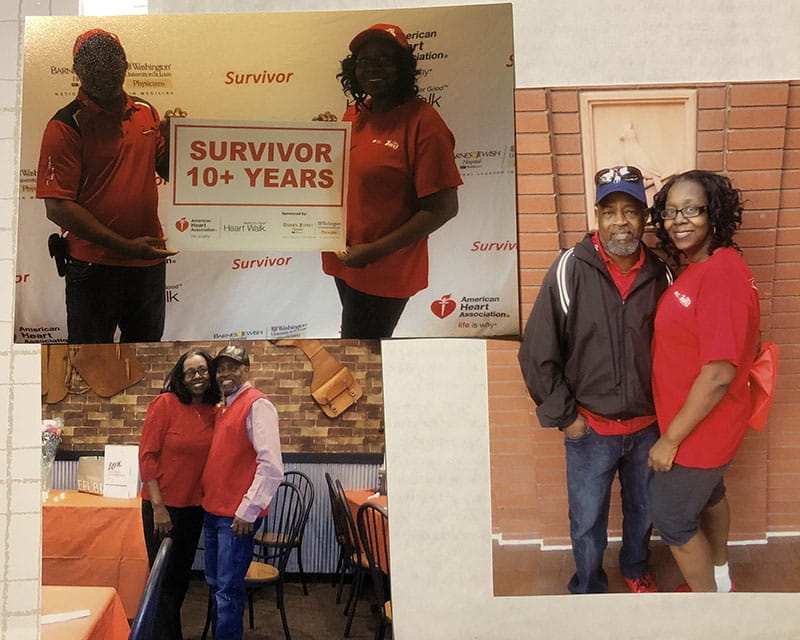
Angela’s giving spirit also comes through in her volunteer work with the American Heart Association. She’s especially involved in Go Red for Women, helping spread awareness about heart disease, the No. 1 killer of women.
The Go Red movement also supports research into women’s heart health, which has come a long way in the three decades since Angela’s problems began. Research has shown that women are more likely than men to have certain types of heart attacks that occur without a major blockage in the coronary arteries. So if Angela’s story were playing out today, it would likely be handled very differently.
“I Go Red,” she said, “to let people know God is still performing miracles.”
For Angela, raising awareness is one way to help other women avoid the health challenges she faced. Go Red for Women is an American Heart Association initiative designed to empower women to take charge of their heart health.
Stories From the Heart chronicles the inspiring journeys of heart disease and stroke survivors, caregivers and advocates.