Heart attack couldn’t keep mom from her son’s Marine ceremony
By Katherine Shaver, American Heart Association News


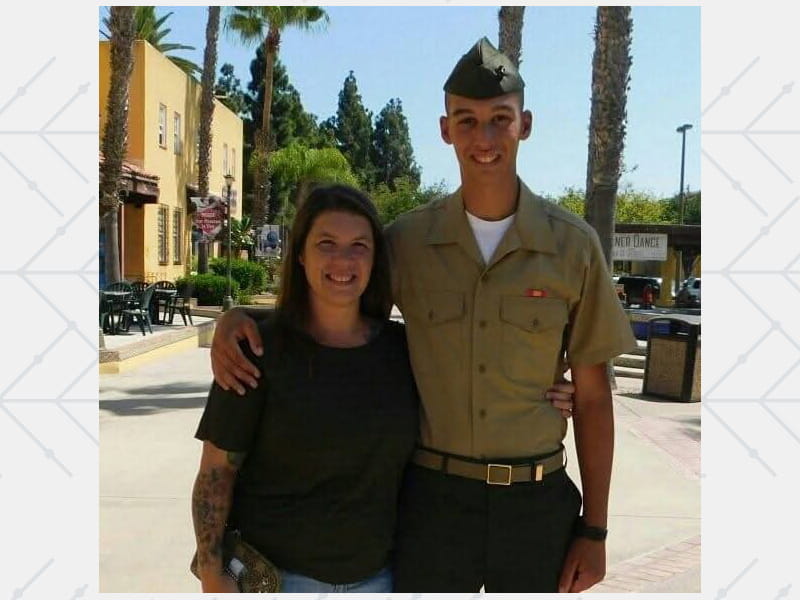
Rikki Crider isn’t the type to barge in on her neighbors. Yet there she was, in their kitchen, after letting herself in through their back door.
Looking up from the TV in their living room, the older couple was surprised, of course. Sensing something might be wrong, the man walked toward her and gently asked, “What do you need?”
“I need help,” Rikki said.
She had awoken that morning with a kink in the right side of her neck. The cramping pain had grown, wrapping itself around her neck from the base of her skull. She assumed she’d slept on it funny. Or maybe she’d pulled a muscle while lugging potted trees at her nursery job the day before.
“Oh great,” Rikki thought. “When is this going to work itself out?”
She lacked energy but had too much going on to take it easy. In a week, her family would be flying from their Nevada home to California to cheer on her older son, Daniel, at his graduation from boot camp at Marine Corps Base Camp Pendleton. Today, she had the day off, and she wanted to spend it catching up with her 16-year-old son, Zander. So they went for a mid-morning walk.
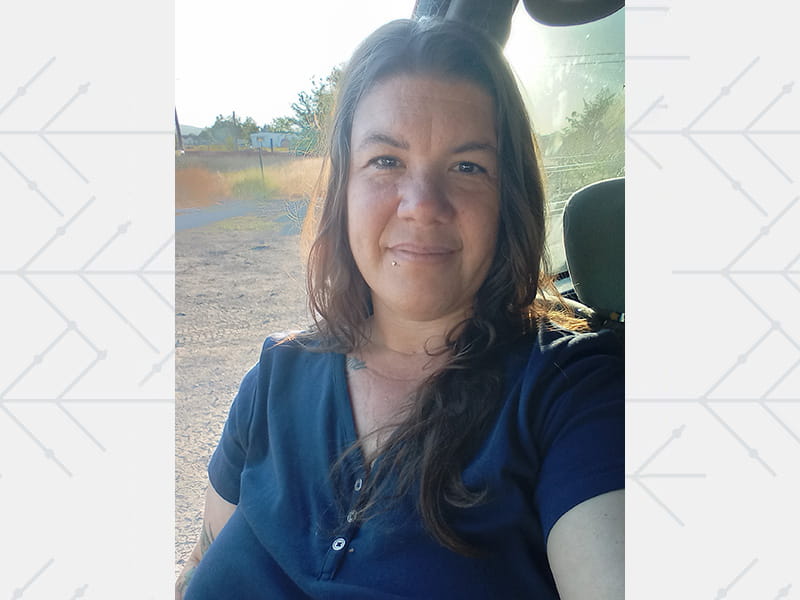
After a couple of blocks, Rikki turned back. She was too tired, her breathing heavy. She started to feel nauseated, and the pain in her neck grew worse. Maybe the September heat was getting to her? She spent the rest of the afternoon lying on the couch.
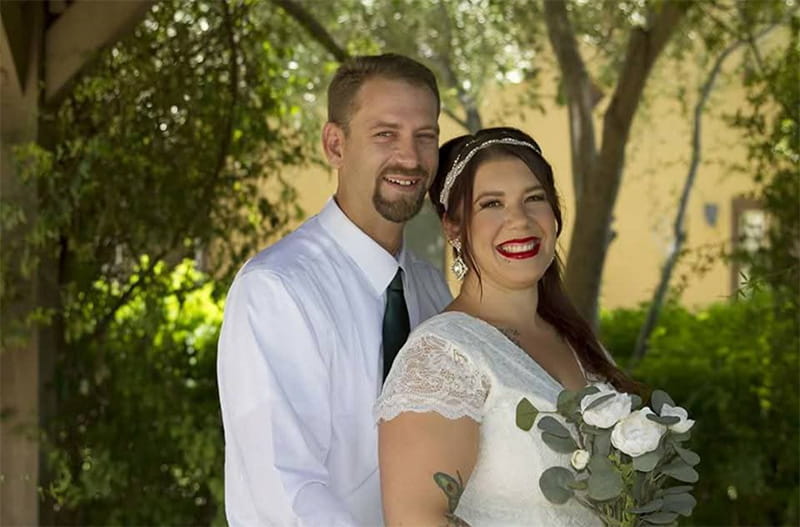
Her husband, Todd Crider, arrived home from work around 7:30 p.m., greeted Rikki and hopped in the shower. When he emerged from the bathroom about 10 minutes later, Rikki was gone – and their neighbor, Bob, was standing on the back step, just beyond their sliding glass door.
“You need to take your wife to the hospital,” Bob said.
Just as Todd wondered where Rikki was, Bob added, “She’s in my house.”
When Todd found Rikki slumped in a chair next door, she was “ghost white.” She looked so sick, he said, that he could only think, “You better not die on me.”
At the hospital, tests showed she was having a heart attack.
Soon, Rikki was taken into a cardiac catheterization lab. She underwent a procedure in which a doctor found the blockage in her heart and opened it by inserting a stent. Once normal blood flow was restored, Rikki said she “immediately felt better.”
Rikki’s left anterior descending artery – or LAD, which supplies much of the blood to the left side of the heart – had been 99% blocked. This type of heart attack can be fatal without quick intervention.
A few days later, Rikki insisted on being released so she could attend Daniel’s graduation. However, doctors wanted to monitor her a few more days in the hospital. They also recommended that she rest at home for several weeks.
Rikki and her doctors worked out a compromise: She would be discharged the day before Daniel’s ceremony. Instead of flying, the Criders would drive, with Todd behind the wheel, and stop every hour or so for Rikki to walk around in hopes of preventing blood clots. This would turn the normal 8-hour drive into an 11-hour trip – but it would be worth the extra time.
“They were going to have to strap me down to the hospital bed,” Rikki said. “Nobody was blocking the door.”
When the Criders arrived at Camp Pendleton, all the wheelchairs reserved for graduation attendees were being used. With Todd’s help, Rikki trudged from the car, making her way gingerly to the ceremony, worried about every “little twinge” she felt.
When Rikki finally got to her seat, she cried.
“I made it,” she thought.
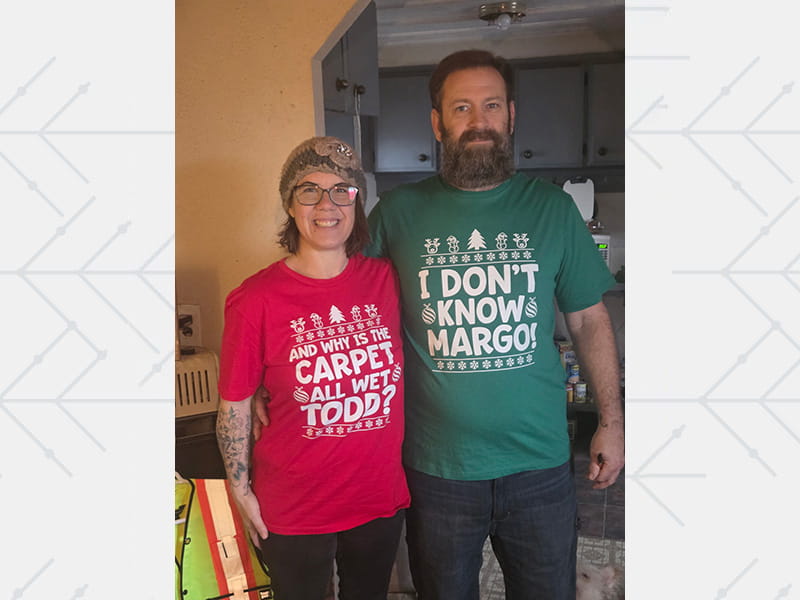
Seven years later, Rikki – now 47 – eats a low-fat diet with plenty of vegetables. She has lost 60 pounds and quit drinking alcohol and smoking cigarettes. She’s also learned CPR and first aid and found support through a Facebook group for women survivors of heart attacks and other serious cardiovascular events.
"I feel beyond grateful for my second chance," Rikki said. "I could very well have died that day, and all the hard work I put in to care for my children, especially Daniel, would've been lost. Making it to Daniel's graduation was a full circle moment of fear, love, sacrifice and resilience."
Rikki found strength in connecting with other survivors of heart attacks and cardiovascular events. The American Heart Association’s Support Network is a free, trusted online community where heart and stroke patients, survivors and caregivers come to connect, share and heal together.
Stories from the Heart chronicles the inspiring journeys of heart disease and stroke survivors, caregivers and advocates.