Mom changes her approach to health after a heart attack at theater
By Deborah Lynn Blumberg, American Heart Association News


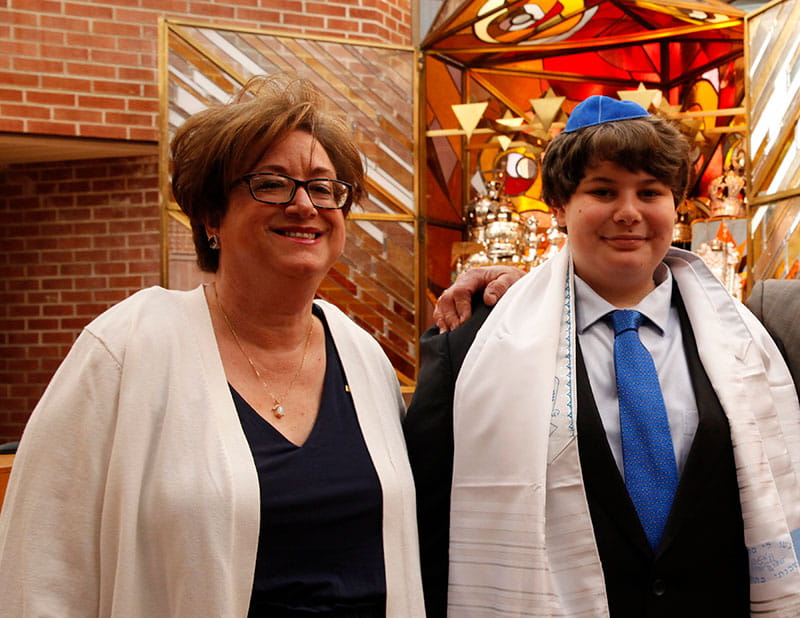
Twenty minutes into a “Pretty Woman” production – after Edward met Vivian while lost in Hollywood – Debra Wallace doubled over in her seat from a wave of nausea.
She picked up her purse and tapped her friend, Noreen McAneny, on the shoulder.
“I have to go to the bathroom,” Wallace whispered. Then she left the theater.
Wallace threw up as soon as she stepped into a stall. Food poisoning, she figured, blaming it on the heavy appetizers they’d sampled before the show. Wallace is lactose intolerant, and she’d thrown caution to the wind with quesadillas.
As she washed her hands, a heaviness settled on her chest, and the nausea grew stronger. In the lobby, she found the theater bar and ordered a ginger ale.
Sipping the soft drink, the 63-year-old Wallace decided that if it wasn’t food poisoning or lactose intolerance symptoms, then it had to be the flu or COVID-19. She didn’t connect this episode with other issues she’d been having going back weeks and even months.
For instance, one day she’d been driving around her suburban Philadelphia neighborhood when she felt pins and needles prickling up her left arm. She called her best friend to discuss what it might be. Just when they thought it could be a sign of a heart attack, the feeling suddenly stopped. Wallace got back to her errands and forgot about the odd sensation.
A few weeks later, during lunch with her sister, Wallace had heartburn — a sensation she’d only experienced nearly 16 years earlier, while pregnant with her only child. She took an antacid and ignored it.
Wallace eventually made her way back to her theater seat. She caught a glimpse of Edward and Vivian getting to know each other before her stomach lurched yet again.
“I’m not feeling well,” she told McAneny. “Please get my coat and meet me in the bathroom.”
Wallace got sick again. When she emerged from the stall, three women saw her pallid complexion. “Are you OK?” one asked her.
Wallace explained how she’d been sick, was nauseous and felt as if an elephant was sitting on her chest. The women were nurses at a nearby hospital. One took Wallace’s pulse. “I can’t know for sure,” she said, “but I think you’re having a heart attack.”
Wallace still wasn’t completely convinced.
Meanwhile, McAneny texted her partner to let him know what was going on. She shared Wallace’s symptoms and he looked them up online. “It really does sound like a heart attack,” he said. McAneny knew Wallace could be stubborn. McAneny gently, but firmly, told Wallace she should be in an emergency room right away.
First, Wallace needed to make a call to care for her 15-year-old son, Adam Forman, who has autism. She asked her housemate to take Adam to a neighbor’s house.
Fifteen minutes later, Wallace was hooked up to an electrocardiogram machine at the same hospital where her husband, Harry, died from congestive heart failure 10 years earlier.
The ECG, or EKG, which measures the heart's electrical activity, showed Wallace was in the throes of a heart attack.
Her left anterior descending artery, which supplies blood to the front and left side of the heart, was 99% blocked. She had other blockages, too. Twenty minutes later, doctors rushed her to the cardiac catheterization lab.
Wallace ended up with three stents in her heart’s arteries to improve blood flow.
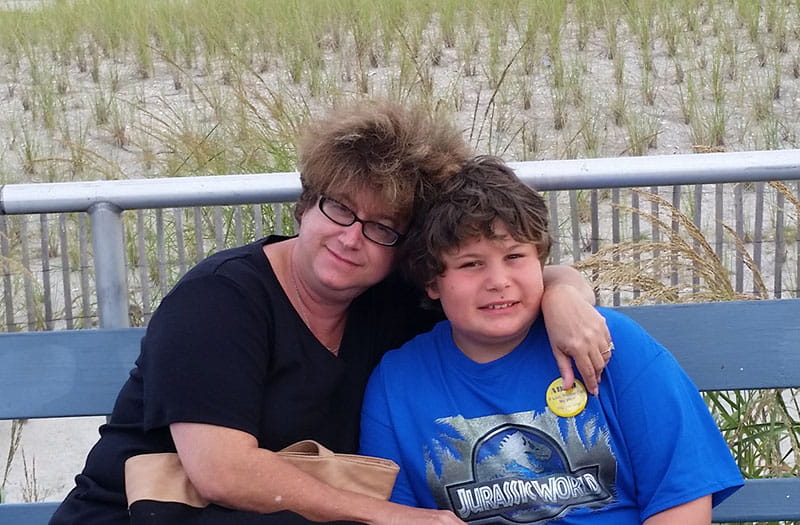
Her thoughts drifted to Adam. The following day was his 16th birthday, and she’d planned a party for him and his friends for the coming weekend. They were supposed to see a movie at a local theater and have pizza and birthday cake.
Wallace called the theater and the bakery to postpone the celebration.
She called Adam, who was relieved to hear she was OK. He was also upset about his party. A nurse overheard the conversation and piped in.
“You may have to postpone your birthday party,” the nurse told him, “but we want your mom to be around for your 17th, and 18th and 19th.”
Wallace returned home five days later with plans for twice-a-week outpatient cardiac rehab for six weeks. Soon after, McAneny visited her. Adam gave her McAneny a huge hug and said, “I want to thank you, you saved my mom’s life.”
Three weeks after Wallace’s heart attack – and after a snow delay – Adam and friends celebrated his birthday by watching “Spider-Man: No Way Home” at the theater and eating pizza and vanilla sheet cake.
Wallace’s ordeal prompted her to re-evaluate many things.
Forced to accept that if something happened to her, Adam would be alone, she vowed to make a will and a special needs trust.
She also gained a better understanding of her own health.
Wallace’s dad had a heart attack in his 40s, and her mom underwent bypass surgery in her 70s. Yet no one had ever suggested that her family health history put her at a higher risk. She’d never been seen by a cardiologist or had an EKG until that night in the ER.
Wallace and McAneny didn’t know that women can have heart attack symptoms that differ from men – such as the nausea Wallace experienced. She also gained a better understanding of the importance of a healthy diet.
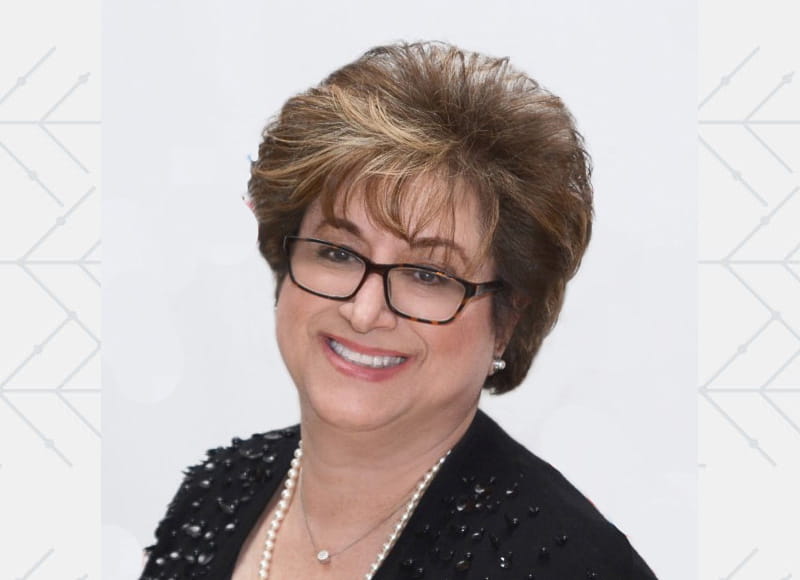
Wallace, who has diabetes, bought books about healthy eating for people with the condition, vegetarian meals and the Mediterranean diet. She cut back on candy, ice cream and cookies, and lost over 40 pounds. Three years later, she remains committed to her new routine.
“You have to take care of yourself so you can take care of your child,” Wallace said. “Don’t ignore the warning signs, make the changes, and then keep them because it’s so easy to go back to your old ways.”
Stories From the Heart chronicles the inspiring journeys of heart disease and stroke survivors, caregivers and advocates.