Struggling to sort through nutrition advice? Don’t forget the joy, this expert says
By American Heart Association


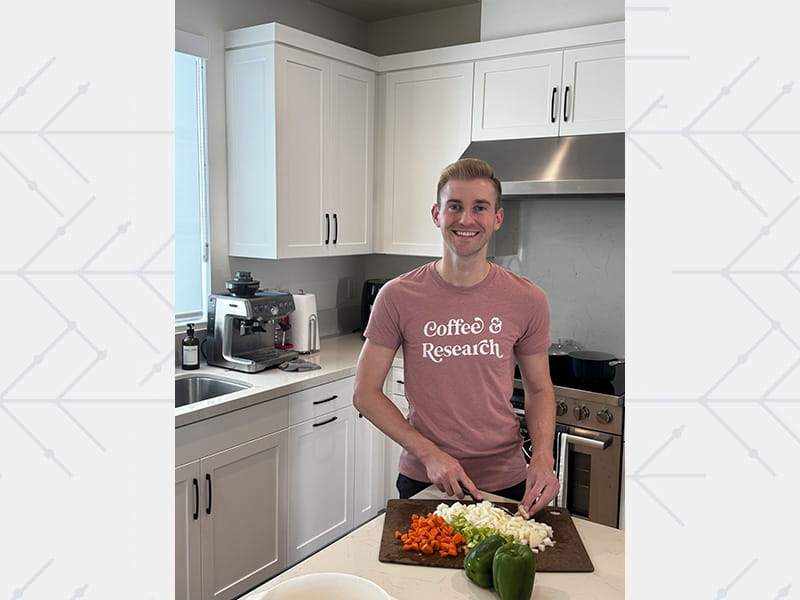
Dr. Matthew Landry is a nutrition expert who understands that keeping up with ever-changing nutrition advice can be a challenge.
It doesn’t have to be, he said.
“Whenever we overcomplicate nutrition guidance, and we take the joy out of eating, I think we’ve gone astray,” said Landry, an assistant professor of population health and disease prevention at the University of California, Irvine.
As a native of southern Louisiana, which Landry calls “the soul food capital of the U.S.,” he knows all about the joy of eating. But his upbringing also taught him that some choices can lead to problems. That connection sparked his interest in research that he sums up as an effort to ensure “that folks have access to nutritious foods to support their health – and hopefully prevent heart attacks.”
Landry, who also is a registered dietitian nutritionist and a volunteer on the nutrition committee of the American Heart Association’s Council on Lifestyle and Cardiometabolic Health, answered questions about sorting through dietary advice as part of “The Experts Say,” a series where specialists explain how they apply what they’ve learned to their own lives. Here are highlights of the conversation, which has been edited.
What were meals like as a kid in Louisiana?
My whole childhood and upbringing was surrounded by food. I grew up eating a lot of fish and seafood. Neighbors would go fishing on their shrimp boat, then bring things back and share them.
A lot of Louisiana dishes are roux-based. That means they start out with a lot of fat. Fried foods are also ubiquitous, whether it’s fried seafood or fried desserts like beignets. And then the portions are also very generous, especially from the older generation. They always wanted to make sure that if someone came over that they were well fed.
I also grew up with a lot of fresh fruits and vegetables, which make up a lot of dishes.
When did you start seeing a connection between what people ate and their health?
In high school. That’s around the time that my grandparents started to have medical incidents. Both of my grandfathers had heart attacks. One ended up dying of heart failure.
So it was around then that I started piecing together lifestyle behaviors that were contributing, or certainly not helping in some ways. You know, they would get out of the hospital and then go right back to eating some of the same kind of foods. I was like, “You just had open-heart surgery! Maybe we shouldn’t be having fried seafood.”
Can people eat foods they love while following a heart-healthy eating plan, such as the Mediterranean or DASH diets?
We can enjoy those traditional foods while being mindful of the frequency of when we have them – or the portion sizes for some of those really rich dishes.
We can always modify some foods in culturally appropriate ways by adding more vegetables or some whole grains.
Probably the best example that I throw out in my classes is collard greens, which I grew up on. You oftentimes cook them in lard and things like that. But you can make some very good collard greens that are vegan. You can use liquid smoke to imitate cooking it down with ham hocks or bacon. It can replace that really strong umami flavor, but you don’t get the saturated fat.
Dietary advice can be confusing. Where do you tell people to turn?
I always like to advocate chatting with a registered dietitian. They can be wonderful resources. We’re trained in nutritional science and food science, but then we also know that food is not just fuel for our bodies. It connects us with our heritage.
I really liked using the MyPlate model when I was a practicing RD. Think about a plate. Fill half of it with fruits and veggies. Then maybe 25% or so is going to be grains, ideally whole grains. And then for that other 25%, we think about protein, whether that’s lean animal-based sources, poultry, fish, seafood, or some of our plant-based sources.
(The updated federal Dietary Guidelines for Americans, released in January, replaced MyPlate with a pyramid model that emphasizes nutrient-dense foods.)
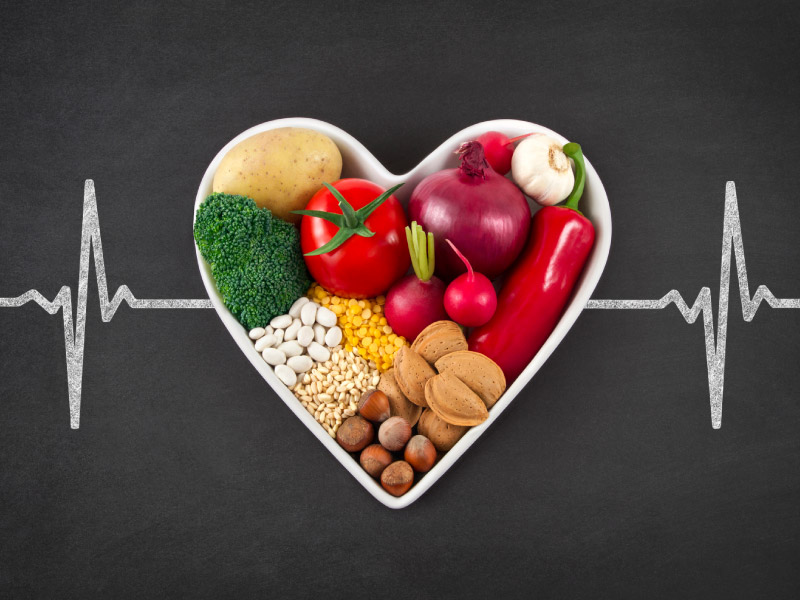
Protein has been getting a lot of attention lately. What’s your advice for people who have questions about whether they are eating enough?
I would generally say it’s probably not something you need to worry about. You’re probably already getting enough of it.
If we’re going to be consuming animal-based sources, we’re going to want to choose lean sources. So that’s some of our poultry sources – chicken, turkey, things like that.
Ideally, we can also lean in heavily on plant-based proteins, because there, we’re still getting the protein, but then we also get the added benefit of fiber and some heart-healthy fats. That might look like soy, or beans and legumes.
What else do you get asked about these days?
I think a lot of people are confused about whether they should still be consuming lots of whole grains or just carbs in general. And so my answer to that is yes, we can still have carbohydrates. They make up a large portion of the energy that we need to fuel our bodies. It’s even there in the new Dietary Guidelines for Americans that we should still be consuming whole grain-rich foods, because fiber is still a really important dietary component that’s under-consumed in the American diet.
How do you define healthy eating?
My definition would be a dietary pattern that supports the activities that you want to do and makes you feel well. It could look very different, I think, for different people. But in general, that healthy diet is going to consist of lots of fruits and vegetables. It’s going to consist of some whole grains. It may or may not include animal-based proteins, but either way, they’re going to be lean sources.
(The American Heart Association has additional recommendations that include limiting added sugars; preparing foods with little or no salt; and more.)
Can that include favorites, like the foods you grew up on?
Yeah, absolutely. It’s maybe just smaller portion sizes or making sure that the vegetable-to-protein ratio is modified compared to what I was used to. Sometimes it’s even encouraging to tell people to look towards your roots. If we look, for example, at a culturally accurate Hispanic diet, it’s lots of fruits and vegetables as the base. It's only more recently that we use a lot of oil or lots of cheese and things like that. But the real roots of it are actually quite healthy.
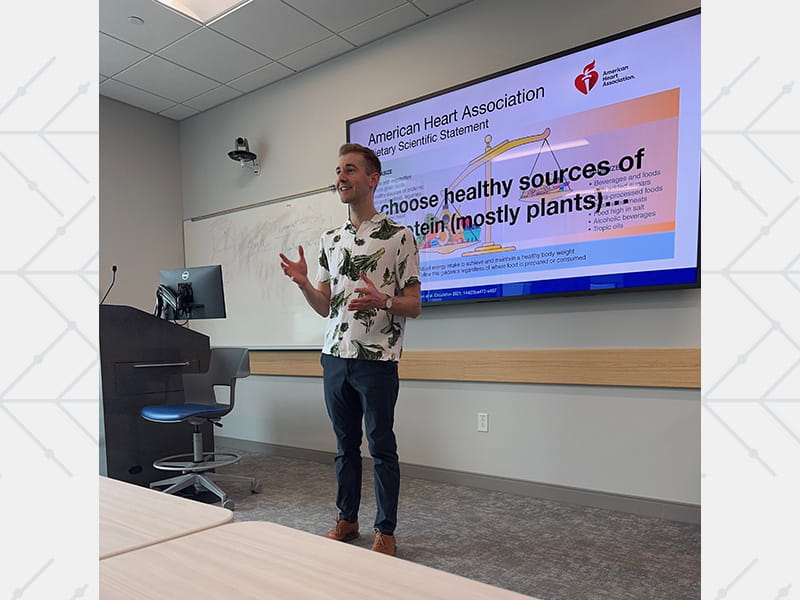
As you share your research, bow ties or flashy shirts have become a signature look for you. How did that get started?
Bow ties started when I was an undergrad. When I would give presentations, people would remember. Then people started even giving me bow ties. So now I have quite the collection.
I like colorful, bright designs to teach in. My students sometimes enjoy that. When I talk about plant-based dietary patterns, I have a shirt with broccoli on it. Like, the entire shirt is broccoli. They love that.
If I can keep their attention even 1% more with that, or get them to show up to see what I’m wearing, that’s pretty fun.
How do you sum up your attitude toward healthy eating?
I think at the end of the day, as much as we advocate for folks to eat healthy, I also like to remind folks that eating should never be not fun or not enjoyable. The food in itself is good for the heart, you know. That’s probably my Southern way of saying things, but good food is also good for the heart.
Getting started on a path toward healthier eating and managing your weight can be tough. The American Heart Association’s Healthy Eating page offers some guidance on both, plus heart-healthy recipes.