Nation of Lifesavers Class: Philicia Baugh
She remembered her training when it mattered most
By Deborah Lynn Blumberg
When Philicia Baugh joined the American Heart Association’s Go Red for Women executive leadership team in Charleston, South Carolina, she never imagined how deeply personal the mission would one day become.
“Nothing connected me directly to the mission,” Philicia said. “I joined because someone encouraged me to get involved.”
Still, she valued the opportunity to serve as a community advocate for heart health and appreciated the camaraderie she found among fellow volunteers. During one leadership meeting, the group participated in Hands-Only CPR training, practicing chest compressions to the rhythm of the Bee Gees’ “Stayin’ Alive,” the recommended tempo for effective CPR.
During the class, Philicia learned that quality chest compressions took effort. The instructor repeatedly told her, “Push harder.”
“Then I finally heard the click from the manikin and understood what effective compressions were supposed to feel like,” Philicia said.
At the time, the training simply felt educational and empowering.
“And then, honestly, I didn’t think much about it again,” she said. “It was just a meaningful experience at a board meeting.”
Two years later, while traveling with a group to celebrate a special occasion in New York City, someone in the group suddenly became unresponsive and stopped breathing after returning to the hotel following a night out.
In an instant, the CPR training Philicia once viewed as routine became lifesaving.
She immediately instructed someone nearby to call 911 and began performing chest compressions.
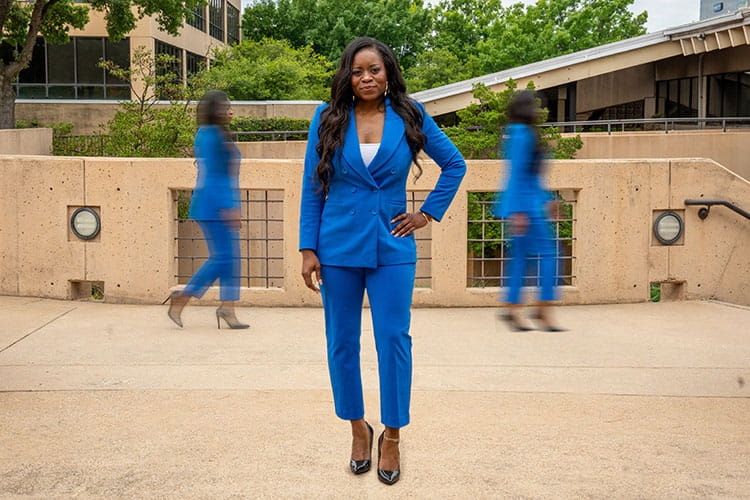
“Initially, I was afraid of hurting them,” she said. “And then I remembered you’ve got to hear the click. I realized I could push so much harder than I thought I could.”
Keeping the rhythm of “Stayin’ Alive” in her head, Philicia continued performing Hands-Only CPR for nearly 10 minutes until emergency responders arrived.
Emergency personnel later determined the cardiac arrest had been triggered by a suspected drug overdose. Paramedics administered multiple doses of naloxone, a medication that temporarily reverses the effects of opioids, and ultimately revived the individual.
“They told me that if I hadn’t been administering Hands-Only CPR, it was very likely the person would not have survived,” Philicia said. “They’re here today, healthy, grateful, and living life with a second chance.”
While the individual has chosen to remain private, the experience profoundly changed Philicia’s perspective on the importance of CPR education and overdose response awareness.
“It’s not always an inherited heart defect or a heart attack,” she said. “Sometimes people find themselves in vulnerable situations or make difficult choices, but every life still matters. There is absolutely something people can do while waiting for 911 and naloxone, and that’s Hands-Only CPR.”
Naloxone is now available over the counter in many communities and can temporarily reverse the effects of opioids while emergency responders are on the way. In 2025, the American Heart Association expanded its CPR guidelines to include step-by-step overdose response instructions alongside traditional cardiac arrest response protocols. Suspected opioid overdoses are currently associated with approximately 80% of drug overdose deaths worldwide.
Today, Philicia is passionate about helping more families and communities learn Hands-Only CPR and understand the power of immediate action during a medical emergency.
“You never know when or why you might need it,” she said. “One moment of training, one decision to step in, can truly save a life.”


