Highlights of Heckerling 2026: Charitable Estate Planning
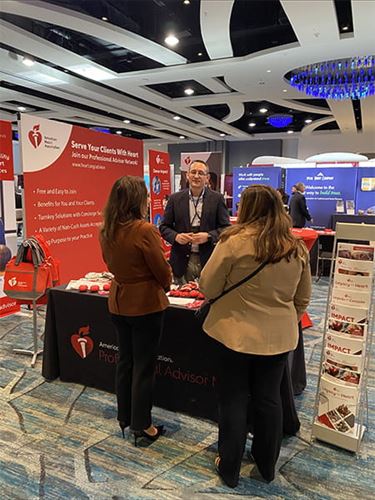 The 60th annual Heckerling Institute on Estate Planning took place in early January at what is reported to be the largest Marriott hotel in the world, hosting an estimated 4,200+ attendees for its annual week-long event led by the most well-known experts in the field.
The energy was high as planners from all over the country were eager to learn practical insights on the ramifications of the new One Big Beautiful Bill Act, and this year’s conference wasted no time addressing the many changes in tax laws affecting trusts and estates. From Q-Tip elections to international assets, and from inherited IRA accounts to Qualified Small Business Stock, this conference held attendees’ attention from the start to the very end. The Professional Advisor Network’s top five takeaways from the conference are highlighted here.
1. Recent Developments 2025
The conference opened with discussion by Turney Berry, Samuel Donaldson, and Carlyn McCaffrey on Recent Developments 2025. This expert panel provided an overview of the One Big Beautiful Bill Act (OBBBA) and shared their insights on several significant changes within the tax landscape. With the gift and estate tax exemption rising to $15 million per person, fewer families will owe federal estate tax. Most clients can prioritize income tax planning, efficient gifting strategies, and asset protection rather than tax‑driven estate structures. Because the SALT deduction cap temporarily increased to $40,000, some taxpayers may benefit from revisiting trust structures (especially non-grantor trusts), reviewing state residency planning, and coordinating trust siting with personal income tax needs.
Among this panel’s many takeaways, advisors and their clients are recommended to review estate plans in light of the new $15 million exemption; evaluate whether trusts—especially non-grantor trusts—can improve tax results; confirm beneficiary designations and quality of appraisals for any major gifts; review existing trusts for situs, administration, and potential improvements; ensure portability is properly elected if a spouse has died recently; and coordinate charitable giving with the new deduction rules to maximize tax benefits.
2. Scratching the 7-Year Itch: Quantum QSBS Exclusions
Paul Lee’s presentation on QSBS Exclusions (Qualified Small Business Stock) provided in-depth analysis of this special tax incentive created by Congress to encourage investment in small, growing U.S. businesses. Lee explained that the use of the QSBS exclusion could assist business owners in avoiding paying tax on up to $10–15 million (or more) of gain when the business is sold. Lee said that a business can now have up to $75 million in assets (up from $50 million) and still issue QSBS, and that most active operating businesses qualify—including tech, manufacturing, software, product development, and many service/platform businesses that rely on intellectual property.
For entrepreneurs, founders, and investors, QSBS can be one of the most valuable tax incentives in the entire Internal Revenue Code. The right structure could mean millions of dollars tax‑free, easier fundraising, more attractive exits, greater flexibility in estate and charitable planning, and thanks to the 2025 law changes, these benefits are now even easier to achieve.
3. Its 10PM, Do You Know Where Your Trust Is Sited?
Robert Sitkoff, Michaelle Rafferty, and Ronald Scalise took a deep dive into Trust Siting with their panel presentation on the complexities of trust siting as the industry and our culture has shifted. Unlike before, families are mobile with settlors, beneficiaries, and trustees often living in different states. Most wealth is now held in financial accounts that can be held anywhere rather than in real estate which customarily ties a trust to one particular location. In addition, trust administration is a national business with banks and trust companies operating across state lines, with many trusts avoiding court supervision altogether.
Modern planning tools may allow a trust’s situs to be changed (e.g., through decanting or trustee changes), offering opportunities to improve protection, flexibility, and tax efficiency. Reviewing and confirming the appropriate governing law is essential—especially if family members live in multiple states, the trust holds financial rather than real assets, the trust names corporate or out‑of‑state trustees, or the trust was created many years ago under older rules. Changing the governing state of a trust can change outcomes including state income tax treatment, beneficiary rights and trustee powers, asset protection, and ease of administration.
4. A Treasure Trove of Planning Tips for Foreign Assets
Michelle Graham’s presentation on Tax and Estate Planning for U.S. Persons with Global Investments, along with fellow panelists Ruth Mattson and Suzanne Shier, presented valuable insights and strategies for planning for clients investing overseas, and for clients living in other countries. U.S. persons with foreign assets face unique legal and tax complications due to differing legal systems, forced‑heirship regimes, and the U.S. taxation of worldwide assets at a 40% estate tax rate. Planning becomes critical during immigration, marriage, relocation, or health changes. Countries follow different legal traditions including Common Law (U.S., Canada, UK), Civil Law (France, Germany, Japan, Mexico), and Islamic Law. These systems determine who inherits, whether trusts are honored, and what planning strategies are viable.
In addition, U.S. persons may face U.S. estate, gift, and income taxes along with foreign inheritance, estate, gift, wealth, acquisition, or transfer taxes. The U.S. has 15 estate/gift tax treaties to reduce double taxation. This presentation delivered information on international gifts and inheritances, complex rules of foreign trusts, insights into which country’s laws will apply to foreign assets, and best recommendations using wills for foreign assets.
5. The Executor and Trustee Guide to Inherited Retirement Accounts: Obligations and Opportunities
Natalie Choate once again delivered an outstanding presentation on Inherited Retirement Accounts, including addressing the obligations and opportunities for executors and trustees going forward. Since inherited IRAs and retirement plans follow special tax rules, executors and beneficiaries must act quickly and correctly to avoid unnecessary taxes and preserve long-term value. Executors have several responsibilities unique to retirement accounts including: confirming whether the decedent made IRA contributions that need recharacterization; determining if any pre‑death plan distributions should be rolled over—sometimes even after death; verifying the decedent’s Required Minimum Distributions (RMDs) were taken and correct missed amounts with proper tax filings; and overseeing correct titling of inherited IRAs and ensure transfers aren’t mistakenly treated as taxable distributions.
Choate shared several post-death clean up strategies, recommended ways to use disclaimers to fix beneficiary problems, discussed Employer Plans (401(k), 403(b), 457(b), and some of the Roth conversion rules and where they might be useful. Choate invited questions through her website so that she can better understand what is on the minds of her readers. She encouraged thoughtful questions about retirement benefits be directed to her at her website.
There were so many other excellent presentations at this year’s conference. Several presentations covered SLATs (Spousal Lifetime Access Trusts). Asset protection and adding “octane” to trust structures were very popular sessions. Discussions of the current state of our nation’s safety net for the aging and disabled, and what that means for planners, were important and revealing presentations. As always, the networking opportunities are lively, varied, and provide the best opportunities for planners to engage with one another and with experts in the special field of tax and estate planning. This year’s institute offered it all during an important time of change in our industry.
The American Heart Association’s Professional Advisor Network is proud to have been among a handful of Diamond Sponsors again this year. We remain committed to the trust and estates community through our Professional Advisor Network and invite members and guests alike to share their expertise with us through our national and local events.
Not yet a Professional Advisor Network member? Join today at no cost to gain immediate access to personalized support, tools and resources to help you offer your clients meaningful options to reach their unique personal and financial goals.
About the Author
 Ed Rodbro, CAP®
Senior Charitable Estate Planning Advisor
Northeastern States
Ed has worked with planned giving prospects, donors and their advisors for more than 20 years. Ed worked for the American Cancer Society on their planned giving team in Chicago and was the national head of the Leukemia Lymphoma Society’s planned giving department before joining the American Heart Association in 2004. In his work with professional advisors, Ed promotes gifting strategies and tools that support the life-saving mission of the American Heart Association and help fulfill the heartfelt needs and desires of donors and their loved ones. He currently focuses much of his attention on two continuing education programs for trust and estate professionals in New York City and Long Island.
Ed received his undergraduate degree from Trinity International University and earned his Chartered Advisor in Philanthropy (CAP®) designation from The American College. An avid runner, Ed has completed more than 50 marathons and ultra-marathons, and is eager to talk about health and financial well-being with donors and their advisors.
Ed is based in New York City and serves CT, DC, DE, MA, MD, ME, NH, NJ, NY, PA, RI, VA, VT, and WV.


