How to manage AFib with healthy lifestyle changes
By American Heart Association


What to Know about AFib
- Atrial fibrillation, or AFib, is an irregular heartbeat that can raise the risk of stroke and heart failure.
- Healthy lifestyle changes may help prevent AFib, reduce its effects and lower the risk of complications.
- Healthy weight and sleep, along with physical activity, limiting alcohol, managing blood pressure and diabetes, can all affect AFib risk and management.
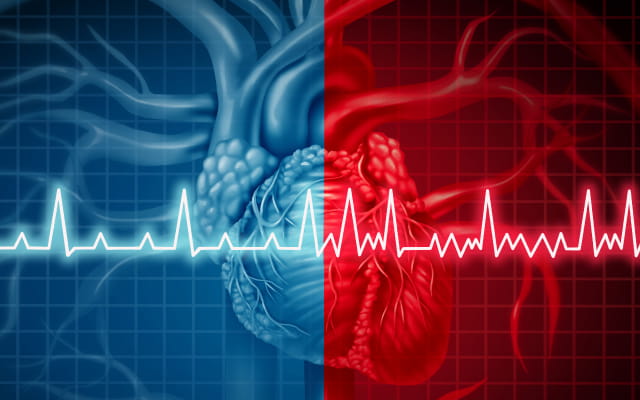
Atrial fibrillation is the most common type of irregular heartbeat. In the U.S., more than 10 million people live with it.
It’s also serious. Untreated AFib can raise a person’s risk of stroke by up to five times.
But as alarming as an AFib diagnosis can be, it can give a person a chance to take control of contributing factors they can change, said Dr. Lee L. Eckhardt, a professor of medicine at the University of Wisconsin-Madison. People who learn they have AFib can change their habits in ways that may lower their risks over time.
“It’s not like it’s doomsday,” said Eckhardt, who helped write the AFib treatment guideline from the American Heart Association, American College of Cardiology and other groups, which emphasized the value of a healthy lifestyle.
What is atrial fibrillation, or AFib?
“I usually describe it as a very fast and chaotic rhythm in the top chambers of their heart,” Eckhardt said. It’s not immediately fatal, but it can cause blood to pool in the heart, which can lead to blood clots and stroke. AFib can also lead to heart failure, in which the heart does not pump enough blood to meet the body’s needs.
AFib doesn’t always have symptoms. But some people experience a racing heartbeat, palpitations, shortness of breath, lightheadedness or dizziness. (Chest pain is a medical emergency; call 911.)
AFib can be treated with medications, including blood thinners that lower the risk of stroke, or with a procedure called catheter ablation, which targets and destroys small areas of heart tissue that cause the heart to misfire.
Causes of AFib vary and aren’t always known. “Some people are genetically more likely to have atrial fibrillation than others,” Eckhardt said. “And you can’t change that.” The chance of developing it also increases with age.
But for more than a decade, Eckhardt said, research has shown the value of a healthy lifestyle in helping prevent or manage AFib.
“And that’s incredibly empowering,” she said.

Can lifestyle changes help prevent or manage AFib?
Some of the healthy actions people can take include:
- Lose excess weight: Not everyone who has excess weight develops AFib, Eckhardt said, but excess weight may contribute to AFib in some people.
- Address sleep issues: Sleep-disordered breathing, including obstructive sleep apnea, is another “significant risk factor” for AFib, Eckhardt said.
- Stay active: Physical activity is essential to heart health. For people with AFib, Eckhardt said, regular aerobic exercise helps improve symptoms and quality of life.
- Don’t smoke: Smoking is associated with an increased risk of AFib, while people who have AFib and quit smoking are less likely to have a stroke or die.
- Control diabetes and high blood pressure: Both are risk factors for AFib, and addressing them has many health benefits.
Several studies have shown the value of weight loss for people with AFib. In one, people with AFib who were coached on weight loss and risk factors and who lost at least 10% of their body weight and kept it off were six times more likely to stay free of AFib than those who lost less weight. The guideline recommends that people with AFib who have overweight or obesity aim to lose at least 10% of their body weight.
According to the guideline, poor sleep quality is linked to a higher risk of developing AFib. Studies have suggested that treating sleep apnea with continuous positive airway pressure (CPAP) therapy may lower the odds of AFib recurring.
The guideline recommends a target of 210 minutes a week of moderate- to vigorous-intensity exercise, although that can be adapted to a patient’s situation. People with AFib should talk with a healthcare professional about the type and amount of exercise that is right for them.

How do alcohol and caffeine affect AFib?
The American Heart Association recommends that if you don't already drink alcohol, don’t start.
However, if you do drink, limit the amount, Eckhardt said.
The guideline says there is “clear evidence that binge drinking heightens the risk” of AFib, although the case is less clear for the effects of up to one drink a day. For people who already have AFib, the guideline recommends not drinking or cutting back to no more than three standard drinks a week, which has been shown to reduce AFib symptoms and episodes.
And while some people report caffeine as a trigger for AFib episodes, the guideline says advising people with AFib to give up caffeine to prevent episodes “is of no benefit,” although cutting back may ease symptoms for people who find caffeine triggers or worsens their AFib.
A Heart Association scientific statement published in the journal Circulation in July said caffeine and caffeinated coffee consumption are associated with either no difference or a lower risk for AFib. There have been reports, however, describing episodes of AFib in young, healthy people who consumed caffeinated energy drinks.
How long does it take for lifestyle changes to help AFib?
While making any healthy choices to lower your risk is helpful, Eckhardt said, lifestyle changes are not a one-time, “if you do these things, in one week, you’ll be cured” situation.
The remodeling of heart tissue that leads to the electrical chaos of AFib, she said, develops over a long time, and it takes time for the condition to go back in the other direction. “There’s not going to be an overnight fix at the cellular level.”
But in the long run, she said, lifestyle choices can be helpful even for people taking medication or those who have had ablation. Addressing modifiable factors, she said, “helps people not redevelop atrial fibrillation in the long run.”
Scientists have learned a lot about AFib and treatments, Eckhardt said, but more work is needed.
While healthy changes won’t solve everything, she said, they “can proactively make your life better.”
Atrial fibrillation can affect anyone. Learn the signs and understand your risk. And if you’re living with AFib, understanding your stroke risk is an important part of your journey. Find support and connect with others at My AFib Experience, part of the Heart Association’s Support Network.