Should you take aspirin every day to prevent a heart attack?
By American Heart Association News


What to Know
- Routine daily aspirin is not recommended for most healthy adults without cardiovascular disease.
- Aspirin remains an important therapy for many people who have already had a heart attack, stroke, coronary stent procedure or bypass surgery.
- The main concern with aspirin use is an increased risk of serious bleeding.
- Decisions about aspirin therapy should be made with a healthcare professional based on personal cardiovascular risk factors.
- Heart-healthy lifestyle habits remain the foundation of preventing heart attack and stroke.
This story was originally published on March 18, 2019.
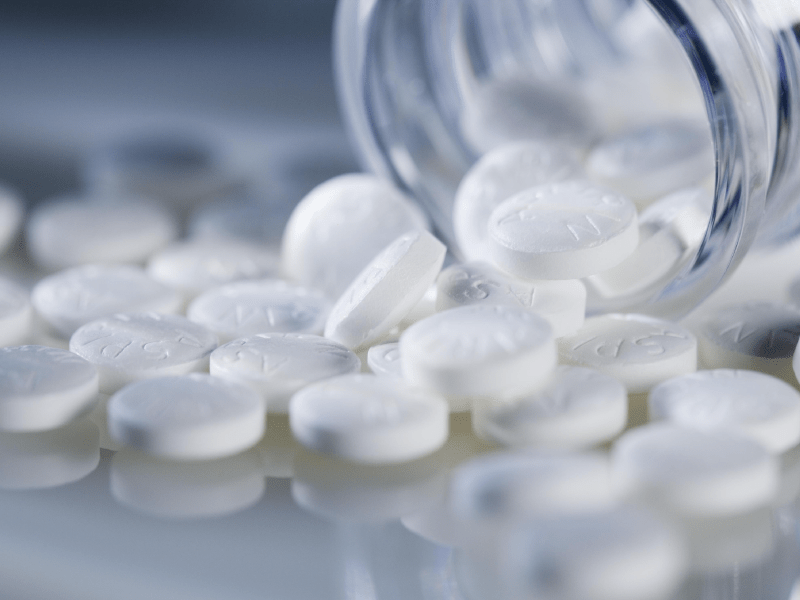
For decades, a daily dose of aspirin was considered an easy way to prevent a heart attack, stroke or other cardiovascular event.
Research challenged that assumption. Guidelines now advise against daily aspirin use for prevention of heart attack and stroke in healthy adults without a history of heart disease. In these circumstances, daily aspirin use may cause more harm than good.
"We're talking about healthy people who don't have known heart disease or stroke, who might have been considering or already taking an aspirin to prevent that heart attack or stroke in the first place," said Dr. Erin Michos, one of the writers of prevention guidelines developed by the American Heart Association and American College of Cardiology.
The recommendation doesn't apply to people who already have had a stroke or heart attack, or who have undergone bypass surgery or a procedure to insert a stent in their coronary arteries.
These individuals already have cardiovascular disease and should continue to take low-dose aspirin daily, or as recommended by their health care professional, to prevent another occurrence, said Michos, associate director of preventive cardiology at the Ciccarone Center for the Prevention of Cardiovascular Disease at Johns Hopkins University School of Medicine in Maryland.
What the research shows about low-dose aspirin
Multiple studies and analyses have found that the benefit from taking a daily low-dose aspirin was offset by the danger of internal bleeding and other side effects in people considered to be at low or moderate risk for heart disease.
One study in particular found aspirin had no obvious benefit for healthy people older than 70 but found evidence for harm, which is why the prevention guidelines strongly discourage aspirin as a protective therapy among these older adults.
The U.S. Preventive Services Task Force, an independent panel of national experts in disease prevention, recommends a low-dose aspirin regimen for adults 50 to 59 whose 10-year risk of developing cardiovascular disease is more than 10 percent.
But the group's recommendation is based on an imperfect risk calculator and statistics taken from older studies, Michos said.
"Heart attack rates have gone down in more modern society with lower smoking rates and better treatment of blood pressure, better treatment of cholesterol," she said. "There probably was more of a role for aspirin back in the older trials, even though the bleeding issue has always been seen there."
Why aspirin is not recommended for primary prevention
Primary prevention refers to preventing a first heart attack, stroke or other type of cardiovascular event.
Today, the benefit of taking aspirin for the majority of otherwise healthy adults just doesn't outweigh the risks enough. Aspirin still may be considered for very select high-risk adults ages 40-70 who are not at increased risk for bleeding, if advised by their doctors.
"For primary prevention, the risk of bleeding and the benefits of reducing heart attack are pretty matched, even to even. So there isn't a lot of gain for taking aspirin," Michos said.
Dr. Daniel Muñoz, another member of the guideline writing committee, said the advice reflects the philosophy of the first pledge a physician takes.
"It's sort of back to the Hippocratic oath. Our job is first, do no harm. That's what has contributed to an evolution in how we think about aspirin in primary prevention," said Muñoz, an assistant professor of cardiovascular medicine at Vanderbilt University Medical Center in Tennessee.
When doctors might consider aspirin for primary prevention
For people with coronary artery disease, the decision to use aspirin has become a more customized one over the years.
"It's clear that for certain populations – the elderly and, in particular, patients who have a high (internal) bleeding risk – aspirin may in fact do more harm than good, but there are no absolutes, so these decisions need to be tailored to the individuals."
Michos agreed. She said doctors might consider advising aspirin for individuals who have a strong family history of heart disease, or if tests like coronary calcium scans detect considerable plaque buildup inside their arteries.
Other ways to protect your heart
For most people considered to be at low or moderate risk, they can better protect themselves with healthier habits, Michos said.
"Eat a heart-healthy diet, get regular physical activity, control blood pressure and control cholesterol," she said. "If they need the statin, take it. Those are much more important when compared to recommending aspirin."
Healthy habits, healthy heart
While aspirin may play an important role for some people with cardiovascular disease, healthy lifestyle habits remain the cornerstone of heart attack and stroke prevention.
Learn how Life's Essential 8 can help you improve your habits to lower your risk of heart disease and stroke.
Frequently asked questions
Should healthy adults take aspirin every day?
Healthy adults without known cardiovascular disease generally should not take daily aspirin unless recommended by their health care professional.
Who might take aspirin daily?
People who have had a heart attack, stroke, coronary stent procedure or bypass surgery are often advised to take aspirin as directed by their physician.
Aspirin also may be considered for very select high-risk adults ages 40-70 who are not at increased risk for bleeding, if advised by their doctors.
Why is aspirin no longer recommended for everyone?
Research shows that the potential benefit of taking low-dose aspirin on a daily basis to prevent a first heart attack or stroke may be offset by an increased risk of internal bleeding and other side effects in people considered to be at low or moderate risk for heart disease.
What are alternatives to daily aspirin?
Heart-healthy eating, regular exercise, blood pressure management, cholesterol control, smoking cessation, and, when appropriate, prescribed medications such as statins can lower your risk of heart attack and stroke.
Is aspirin safe for adults over 70?
In general, routine aspirin use for primary prevention is not recommended for healthy adults over 70 because the risk of serious bleeding may outweigh the potential cardiovascular benefits.
Editor's note: This story was updated July 29, 2026.
Frequently Asked Questions
Healthy adults without known cardiovascular disease generally should not take daily aspirin unless recommended by their health care professional.
People who have had a heart attack, stroke, coronary stent procedure or bypass surgery are often advised to take aspirin as directed by their physician. Aspirin also may be considered for very select high-risk adults ages 40 to 70 who are not at increased risk for bleeding, if advised by their doctors.
Research shows that the potential benefit of taking low-dose aspirin on a daily basis to prevent a first heart attack or stroke may be offset by an increased risk of internal bleeding and other side effects in people considered to be at low or moderate risk for heart disease.
Heart-healthy eating, regular exercise, blood pressure management, cholesterol control, smoking cessation, and, when appropriate, prescribed medications such as statins can lower your risk of heart attack and stroke.
In general, routine aspirin use for primary prevention is not recommended for healthy adults over 70 because the risk of serious bleeding may outweigh the potential cardiovascular benefits.