Small weight loss wins can boost heart health
By American Heart Association
Key Takeaways
- Excess weight can affect the heart, kidneys and metabolic health.
- Even modest weight loss can improve blood pressure, blood glucose (sugar) and cholesterol levels, as well as other heart health measures.
- Small, sustainable habits can lead to meaningful heart health benefits over time.


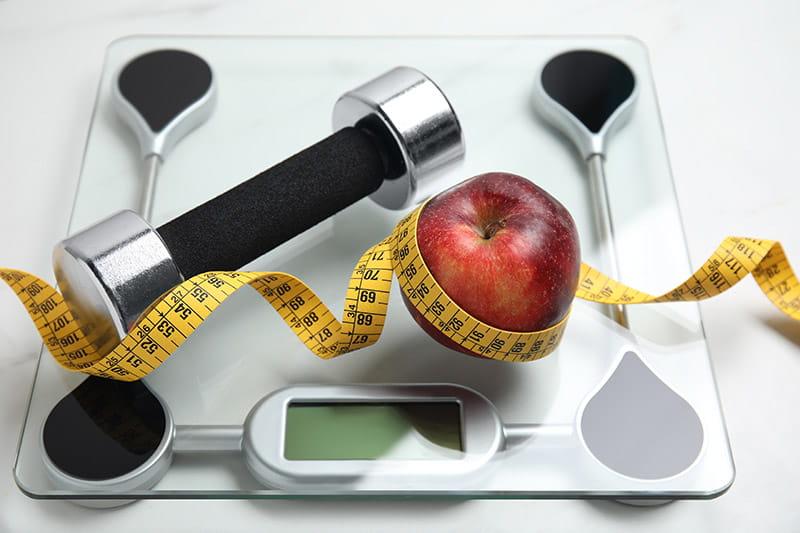
When people think about weight loss, they often picture dramatic transformations: a major drop on the scale, a new clothing size or a before-and-after photo. But when it comes to overall health, some of the biggest benefits can begin long before those milestone moments.
Research shows that even small changes in weight may improve health markers such as blood pressure, blood sugar and other measures.
"Doctors care about weight control, weight loss and preventing obesity for reasons far beyond aesthetics," said Dr. Francisco Lopez-Jimenez, a professor of medicine and preventive cardiologist at Mayo Clinic in Rochester, Minnesota. He is also the chair-elect for the Obesity Science Committee of the American Heart Association’s Council on Lifestyle and Cardiometabolic Health.
Obesity or excess weight, he said, is often the root cause of many conditions that affect heart health. Excess weight can also affect cardiovascular-kidney-metabolic (CKM) health, which describes the link between the heart, kidneys and metabolic system.
Yet small steps — a daily walk, better sleep or healthier eating — can add up. And when it comes to protecting your heart and overall health, small wins may be bigger than you think.
Make a difference: Sign up for the Healthy Living BEYOND Weight Study.
Understanding how weight affects your heart, kidneys and more
About 40% of adults in the U.S. have obesity, and nearly 90% have at least one condition – such as high blood pressure, abnormal cholesterol, elevated blood sugar or reduced kidney function – that affects CKM health.
Excess weight doesn’t just occur alongside these conditions. It often helps drive them. Excess body fat, particularly around the waist, can affect blood sugar, cholesterol, blood pressure and kidney and heart health.
Because these conditions are linked, weight loss can help improve several areas at once – even before you notice any major changes on the scale.
Excess weight and the strain on your heart
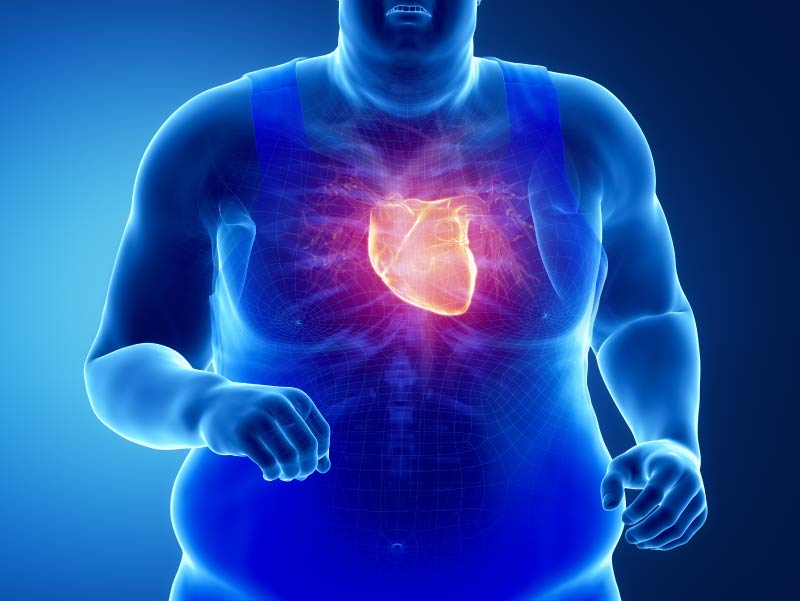
"Every pound of fat requires blood flow to sustain it," Lopez-Jimenez said. Over time, that extra workload can force the heart to work harder and may eventually contribute to heart failure.
Fat can also accumulate around the heart itself, where it may contribute to inflammation, coronary artery disease, abnormal heart rhythms and heart failure, according to Dr. Ian Neeland, a cardiologist and an associate professor of medicine at Case Western Reserve University School of Medicine in Cleveland. He is a former chair of the Association’s Obesity Science Committee.
The good news is that losing weight can help ease the heart’s workload.
The connection between weight and blood pressure
Excess weight can make it harder for blood to move throughout the body, forcing the heart to work harder. Over time, this added strain can increase the risk for high blood pressure, one of the most common risk factors for heart disease and stroke.
Improvements in weight don't have to be dramatic to make a difference, Lopez-Jimenez said. For instance, systolic blood pressure, the top number in a measurement, may go down about one point per kilogram (2.2 pounds) of body weight lost.
Why weight plays a role in diabetes risk
Excess body fat can make it more difficult for the body to respond appropriately to insulin, the hormone that helps move sugar from the bloodstream into cells for energy.
Over time, this insulin resistance can cause blood sugar levels to rise, increasing the risk of Type 2 diabetes and its related complications.
The link between weight and kidney health
The kidneys remove waste and extra fluid from the body. Excess fat can cause them to work harder than normal, and the added stress may contribute to a decline in their function and increase the risk of chronic kidney disease. Excess weight may also contribute to inflammation in the kidneys.
The kidneys and heart are closely connected because both depend on healthy blood vessels.
"The kidneys, like the heart, are highly vascular organs," Neeland said. "Anything that affects the blood vessels can affect kidney function as well."
Why modest weight loss matters
Improving one’s health doesn't require dramatic weight loss.
"Relatively modest weight loss, around 3% to 5% of baseline body weight, can lead to measurable improvements," Neeland said. It can also increase energy and support better overall well-being.
"For a person who weighs 200 pounds, that's just a 10-pound weight loss," Lopez-Jimenez said. "It may not seem dramatic, but it can have a remarkable preventive effect."
Changes for lasting weight loss
Sustainable weight loss often begins with small habits that can be maintained over time. Simple changes to daily routines can support both weight management and heart health.
Focus on building a balanced eating pattern
Rather than focusing on what to cut out, try adding nutrient-rich, heart-healthy foods or replacing unhealthy foods with healthier choices. Foods such as vegetables, fruits, whole grains, beans, fish and lean proteins can support both cardiovascular health and sustainable weight management.
"One of the most effective strategies is understanding caloric density," Lopez-Jimenez said. Starting meals with vegetables, fruits or beans, unsalted nuts and seeds can help people feel full while consuming essential nutrients with fewer calories.

He also encourages people to establish regular eating patterns and avoid skipping meals. While some people think skipping meals will help them lose weight, it may lead to increased hunger and overeating later in the day.
Another simple strategy is to pay attention to fullness cues.
"Stop eating when you're about 70% to 80% full," Lopez-Jimenez said. Waiting until you're completely full may mean you've already eaten more than your body needs.
Sign up for the free Healthy for Good newsletter for expert-backed tips and inspiration.
Physical activity is another powerful tool, and it doesn't have to involve intense workouts or hours at the gym.
Walking, stretching, swimming, light strength training and even chair-based exercises can support weight management, heart health and mental well-being. The key is finding activities you enjoy and can do consistently.
"Exercise can reduce visceral fat (the type of fat linked to an increased risk of CKM syndrome) even without significant weight loss,” Neeland said.
That's an important reminder that healthy behaviors can improve health even when the number on the scale isn't changing as quickly as you hoped.
Don't overlook sleep and stress
Poor sleep can disrupt hormones that regulate hunger and fullness, while chronic stress may increase cravings and make healthy choices more difficult.
Building routines that support quality sleep, practicing mindfulness and finding healthy ways to manage stress can all support long-term health goals.
Start small and build from there
Healthy habits don't have to happen all at once. In fact, starting with one or two manageable changes may be more effective than trying to overhaul your lifestyle overnight.
Habit stacking, which involves attaching a new healthy behavior to an existing routine, is a simple way to incorporate healthy habits into your day. For example, you might take a short walk after lunch, prepare a healthy snack while brewing your morning coffee or do a few stretches while brushing your teeth.
Progress over perfection
It's natural to want quick results, but sustainable weight management rarely happens overnight.
"People rarely go from not thinking about weight management to taking immediate action," Lopez-Jimenez said. Instead, change tends to happen gradually as people move from awareness to intention to action. That means occasional setbacks or periods of slower progress are normal and shouldn't be viewed as failure.
Lopez-Jimenez said that many people living with obesity have spent years blaming themselves for their weight. In reality, he said, weight is influenced by a complex mix of biology, environment, culture and life experiences.
Growing up in a household with food insecurity, limited access to healthy foods or other challenging circumstances can shape eating habits long into adulthood. Genetics and early-life factors can also influence how the body stores energy and regulates weight, Lopez-Jimenez explained.
"When patients begin to understand that obesity is not simply a personal failure, it can be incredibly emotional," he said. "Many feel relief." He encourages people to use that understanding as motivation to seek support and take small steps toward better health.
It's important to remember that success isn't measured only by a number on the scale.
"When people understand the health implications of obesity, let go of unnecessary shame, and recognize that effective help is available, they're much more likely to take positive action," Lopez-Jimenez said.
A conversation about weight with your healthcare professional can be an important first step. Understanding how weight management affects your overall health can help you make informed decisions about your care.
The American Heart Association offers tools and support to help you get started:
- Explore weight and obesity resources.
- Access Healthy Eating resources and heart-healthy recipes.
- Connect with others through the Support Network.
Have questions about your health or care? The Association offers a free service to connect you with a trained Navigator for support and other health-related needs
Frequently Asked Questions About Weight Loss and Heart Health
You don't need to achieve dramatic weight loss to see benefits. Research suggests that even modest weight loss can improve some health markers, including blood pressure, blood sugar and cholesterol. Greater weight loss can lead to greater improvements in overall health.
Yes. Losing weight can reduce strain on the heart, improve blood pressure, lower cholesterol levels and decrease the risk of conditions such as heart disease, heart failure and stroke.
Yes. Exercise can reduce visceral fat, the fat around your abdominal organs, even without significant weight loss. Physical activity also supports heart health, mental well-being and long-term weight management.
Weight is influenced by many factors, including genetics, biology, environment, sleep, stress, food access and life experiences. It's not simply a matter of willpower.
Excess body fat can place additional stress on the kidneys and increase the risk of chronic kidney disease over time.