Can a tick bite create a meat allergy and increase heart disease risk?
By American Heart Association


What to Know
- Alpha-gal syndrome is a tick-related allergy that develops when the immune system reacts to a sugar found in most mammals.
- Symptoms often appear 3-5 hours after eating red meat.
- Up to 450,000 people in the U.S. may be affected, according to the CDC.
- Preliminary research has shown a link between alpha-gal and cardiovascular disease, but research is ongoing.
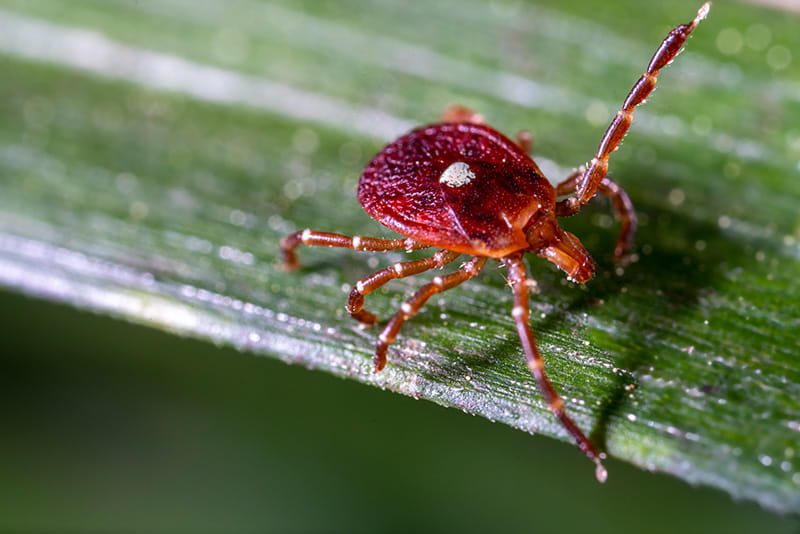
Many people associate a bite from a tiny tick with a bacterial infection known as Lyme disease. But that bite can also trigger a potentially life-threatening meat allergy and may increase the risk of heart disease.
Researchers are investigating whether the immune response underlying the condition, alpha-gal syndrome, may contribute to plaque buildup in the arteries.
As tick populations spread in the U.S., so do concerns about alpha-gal syndrome, or AGS, and its potential effects on public health. According to the Centers for Disease Control and Prevention, up to 450,000 people in the U.S. may currently be affected by AGS.
"The range is moving farther north and west, and more states are being affected," said Dr. Sachin Shah, a professor of pharmacy practice at the University of the Pacific in Stockton, California.
What is alpha-gal?
Alpha-gal is a sugar molecule found naturally linked to proteins and fats in many mammals, but not humans or other primates. This means the molecule can be found in foods such as beef and pork products.
The molecule itself isn’t harmful to ingest.
How does alpha-gal syndrome occur?
A tick bite can trigger an immune response that leads to alpha-gal syndrome, usually after a lone star tick bite. Blacklegged and western blacklegged ticks also have been associated with alpha-gal.
After exposure to alpha-gal through the tick bite, the human body can recognize the molecule as a threat and develop antibodies against it. Once those antibodies form, future exposure to alpha-gal can trigger a delayed allergic reaction to foods and other products that contain the molecule.
It’s important to note that a tick bite doesn’t mean you will automatically develop alpha-gal syndrome. It’s unknown why some people develop it and others don’t, according to the CDC. While AGS is best known as an unusual food allergy, researchers are increasingly interested in whether the immune response behind the condition could affect cardiovascular health.
Is alpha-gal associated with heart disease and stroke risk?
Beyond causing allergic reactions, alpha-gal may trigger immune responses that contribute to inflammation.
"There is a growing body of evidence linking allergic diseases and inflammation with heart disease," said Dr. Jeffrey Wilson, an associate professor at the University of Virginia School of Medicine in Charlottesville.
According to Wilson, who is also an allergist and immunologist with UVA Health, antibodies produced in response to allergens may help drive inflammation throughout the body. Researchers suspect that chronic inflammation may play a role in coronary artery disease, a condition in which plaque accumulates in the arteries that supply blood to the heart. That buildup can lead to a heart attack or stroke.
A 2018 study led by Wilson was the first to find a connection between alpha-gal antibodies and heart disease. A larger study published in 2022 expanded on the findings by Wilson’s team, linking alpha-gal sensitivity to higher levels of artery plaque and a greater risk of serious heart attacks.
The two studies are part of a continuing effort to understand whether immune responses and allergic pathways contribute to heart disease in ways that have not been recognized. While risk factors such as high blood pressure, high cholesterol and smoking remain major drivers of cardiovascular disease, researchers are exploring whether conditions such as alpha-gal syndrome could help explain some cases that occur in people without obvious risk factors.
Wilson also noted that heart problems can sometimes occur during severe allergic reactions. For example, in a rare condition called Kounis syndrome, an allergic reaction can trigger a heart attack.
However, Wilson and other experts caution that more research is needed on a possible link between the antibody to alpha-gal and coronary artery disease. Regardless, people with alpha-gal syndrome “are going to benefit from avoidance of future tick bites and alpha-gal-containing meats, medications and products," Wilson said.
How is alpha-gal syndrome diagnosed?
Doctors diagnose alpha-gal syndrome using a combination of symptom history and a blood test that looks for antibodies to alpha-gal.
It’s important to understand that not everyone with these antibodies will develop symptoms. "Many people make antibodies to alpha-gal but don't develop overt allergic symptoms,” Wilson said.
A positive alpha-gal test alone doesn’t confirm a diagnosis, Shah said. To be diagnosed with alpha-gal syndrome, a person also must have symptoms after exposure to foods or other products containing alpha-gal.
Some people who are sensitized to alpha-gal but do not have the syndrome may still react to certain medications, Shah said.

What are the symptoms of alpha-gal syndrome?
People with alpha-gal syndrome react after eating meat from mammals, such as beef, pork, lamb, venison or rabbit, or being exposed to medications or products containing alpha-gal.
The symptoms of alpha-gal syndrome include:
- Hives, itchy skin and/or swelling
- Abdominal pain, diarrhea, nausea and/or vomiting
- Respiratory distress and/or changes in blood pressure
- Anaphylaxis, a severe allergic reaction that can be life-threatening if not treated
According to Shah, some people with the syndrome may present solely with gastrointestinal symptoms, which can make the condition more difficult to diagnose.
Typically, reactions happen three to five hours after ingestion for people with alpha-gal. This makes the alpha-gal allergy unique from many other allergic reactions that typically happen soon after ingestion.
Wilson added that the syndrome “classically presents with hives or itchy skin with or without GI symptoms.”
Because symptoms can appear hours after eating and may involve only digestive symptoms, alpha-gal syndrome is often overlooked or mistaken for other conditions.
"If you have a history of tick bites and experience delayed gastrointestinal symptoms or unexplained allergic reactions, it makes sense to speak with your doctor or allergist," Shah said.
Can alpha-gal syndrome be treated?
There is currently no cure, but alpha-gal syndrome can be managed by strict avoidance of the alpha-gal molecule in food and other products, such as medications, and tick bites.
For some people with alpha-gal syndrome, sensitivity also may lessen over time if they avoid future tick bites. The amount of time the allergy lasts differs from patient to patient. Some people may be able to resume eating foods with alpha-gal, while others may always have a permanent sensitivity or even severe reactions to the molecule. It’s important to work with a health care professional to establish a personalized treatment plan.
Why alpha-gal is more than a red meat allergy
Shah said researchers prefer not to call alpha-gal syndrome a "red meat allergy" because people can be exposed to the molecule through more than just food. The molecule can also be found in healthcare products, medications and over-the-counter drugs.
A 2022 review found that many commonly prescribed medications contain animal-derived ingredients that may carry the alpha-gal molecule. However, alternatives to many of these products are available.
Shah recommends that patients and their physicians work together to identify products that may contain alpha-gal.
In some cases, alpha-gal exposure can go beyond eating.
“A small group of patients are reactive to alpha-gal fumes. I've personally seen someone experience a reaction while walking past a barbecue restaurant,” Shah said. “Think about the quality-of-life impact. The risk isn't minor discomfort — it can be anaphylaxis.”
How to prevent alpha-gal syndrome
The best protection against alpha-gal syndrome is preventing tick bites.
The CDC recommends these preventive measures to avoid tick bites:
- Walk in the center of trails
- Cover exposed skin
- Treat clothing and gear with products containing 0.5% permethrin
- Check your body, clothing, gear and pets for ticks promptly after outdoor activities
However, even with preventive measures, tick bites might still happen. If you do find a tick attached to you, remove it with clean, fine-tipped tweezers, safely dispose of the live tick and thoroughly clean the area that the tick was attached to.
As researchers continue studying the connection between alpha-gal and cardiovascular disease, Shah and Wilson agree that avoiding tick bites remains the best way to lower the risk of developing alpha-gal syndrome.
As outdoor adventures pick up this fall, stay inspired with the Healthy for Good newsletter, featuring practical health tips, recipes and ideas for healthy living.