After losing 2 daughters, family pushes for genetic testing
By Leslie Barker, American Heart Association News



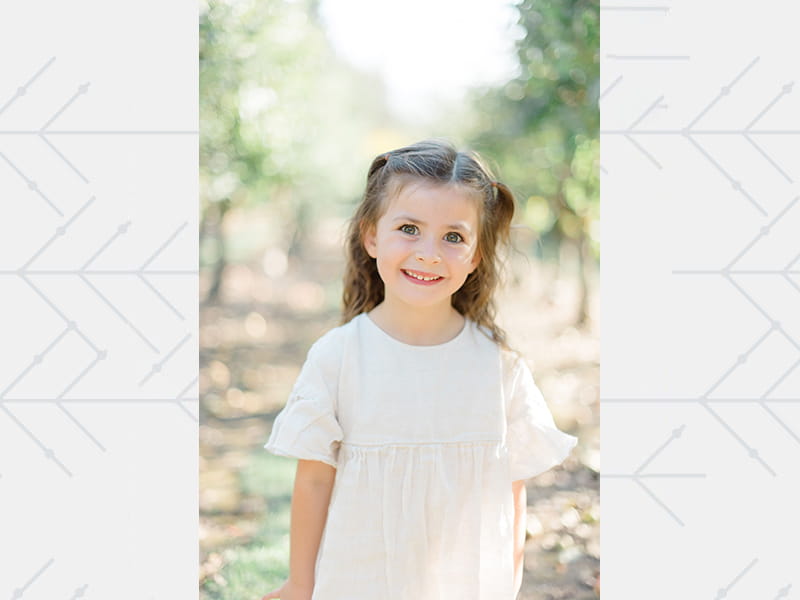
In the wee hours of Christmas morning 2025, 5-year-old Molly Carlton woke up with a stomachache.
She crawled into bed with her parents, Melissa and Tom. A few hours later, their cuddly and affectionate little girl got up and went to the bathroom. Melissa heard her fall off the toilet, rushed in and immediately knew something was wrong.
Molly’s heart wasn’t beating.
Melissa called 911 while Tom began giving their youngest daughter CPR. An ambulance arrived three minutes later. At the hospital, Molly stabilized enough for doctors to discuss a recovery plan.
Then Molly went into cardiac arrest again. This time, she couldn’t be revived.
A familiar, devastating pattern
The sudden, shocking, horrifying tragedy on such a sacred day is unthinkable in so many ways. Worse still for the Carltons is how eerily similar it was to what happened 20 months earlier – and how Molly’s life might have been spared had things played out differently following the death of her sister Abigail.
“The compounded grief was so terrifying,” Melissa said. “It was such a dark place we were in.”
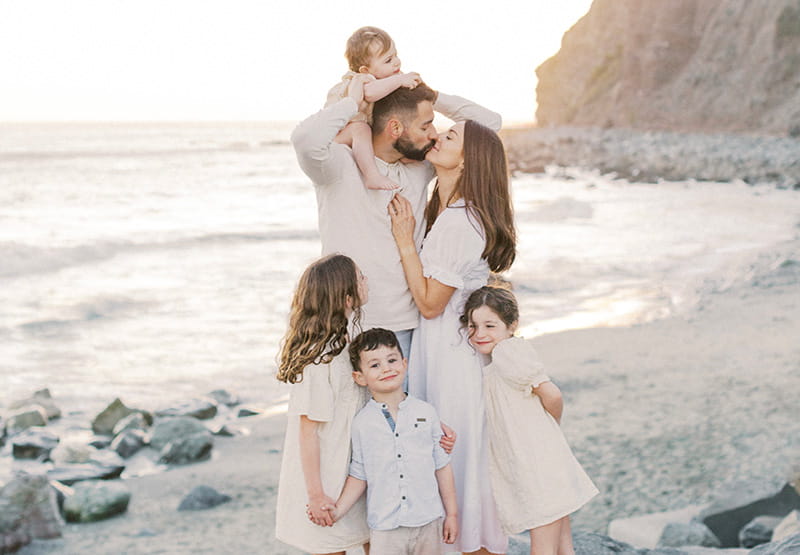
The Canadian family’s traumatic tale begins in April 2024. At the time, Melissa and Tom had four kids. All occasionally got sick but always bounced back.

Losing Abi
At age 9, Abi was the second of four children.
Fun and feisty with a wonderful imagination, she spent what turned out to be her final day playing with her siblings and friends. Before dawn the next morning, she threw up. Everyone figured it was a typical stomachache. She crawled into bed with her parents.
Tom woke up before dawn. Looking at his daughter, he immediately knew something was terribly wrong. He started CPR as Melissa called 911. Paramedics worked on Abi for close to three hours, but she couldn’t be revived.
The initial medical report said Abi died of sepsis, an extreme immune reaction to an infection in the bloodstream. That just didn’t feel right to Melissa and Tom, but they simply could not take on the challenge of pushing back. They were desperately trying to come to terms with Abi’s death and with helping their other children, Lily, Harry and Molly, navigate the grief of losing a sibling.
A diagnosis that came too late
After Molly died, the Carltons finally got some answers.
Genetic testing showed that Abi and Molly both had a rare congenital mitochondrial condition called PPA2 deficiency, which can occur when both parents carry the gene that causes it.
The condition can lead to severe heart problems and even sudden cardiac death, sometimes triggered by infections.
“It’s not on the doctors’ radars,” Melissa said. “It’s still extremely rare, as are so many unexplained deaths with no apparent diagnosis.”
Had Abi’s death been attributed to PPA2, Melissa said, the whole family could have undergone genetic testing -- and measures to protect Molly could have been taken. As it turned out, Tom and Melissa were found to be carriers of PPA2. Miraculously, neither Lily, now 13, nor Harry, 8, carry the gene.
“A family can have absolutely no idea they’re carriers,” Melissa said. “If we don’t test, we don’t find it. And if we don’t find it, we can’t prevent what might otherwise be preventable.”
Turning grief into advocacy
Amid the darkness that often engulfs them, the family is channeling their grief so others going through similar experiences will know they are not alone.
After Molly’s death, they pivoted from the nonprofit they started after Abi died into a coalition called Early Answers Foundation. Its mission: To “unite the rare-disease community to make earlier genetic answers available to every child who may benefit.”
The Carltons are also active in SUDC (Sudden Unexplained Death in Childhood), a nonprofit focusing on raising awareness, funding research and being there for families enduring the inconceivable.
“We’d definitely prefer more testing be done as standard procedure,” Tom said, adding that Melissa is working to try to get legislation passed to make that happen in Canada.
Living with loss, holding onto connection
The Carltons are trying to get back to doing what has always bonded them as a family: riding bikes along a river in British Columbia where they live, and sharing comfort-food dinners like roast and Yorkshire pudding. Still, sorrow can slip in like a shadow, sealing off any sunlight that burst through and brought them a sense of normalcy.
“It’s been a roller coaster. I’ll feel good and then everything just hits,” said Melissa, an art shop owner and Church of Jesus Christ of Latter-day Saints influencer. (While her family’s journey through grief has been written about in several publications, this American Heart Association story marks the first time she’s granted an interview.)
Nights are especially hard for everyone, Tom said.
One way the family seeks solace is through Hello Angel. The support app Melissa and a friend created offers daily tools to help others navigate the wilderness of grief, honor memories and offer friends and family suggestions to support families of those who have lost so much.
“We use its tools to keep our connection with Abi and Molly going,” Melissa said. “We talk about them all the time.”
Support for families living with loss and heart disease
While the Carltons have found some comfort in advocacy and community, they know healing doesn't happen alone. For families navigating grief, a heart condition or the lasting impact of a medical crisis, connecting with others who understand can make a meaningful difference.
The Support Network is a free, trusted online community where heart and stroke patients, survivors and caregivers can connect, share and heal together. Connect with other community members whose lives have been impacted by a heart condition or stroke.
Stories From the Heart chronicles the inspiring journeys of heart disease and stroke survivors, caregivers and advocates.