Preparation is key when getting your child ready for summer camp
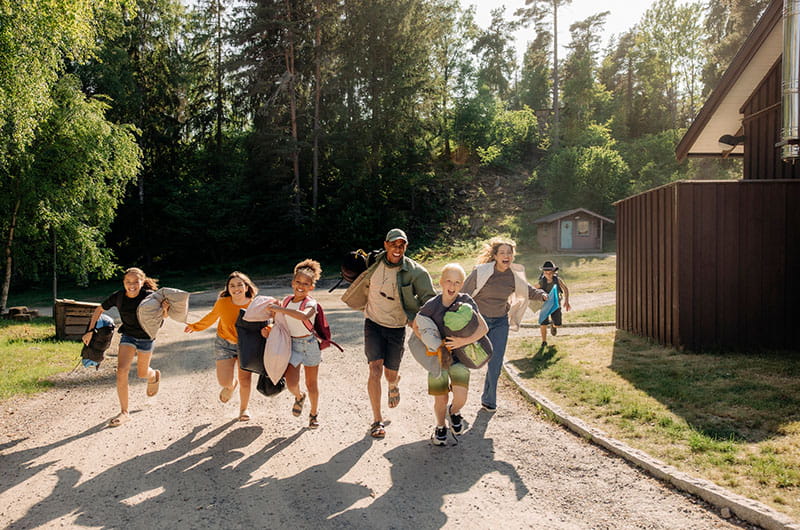
Summer camp season brings excitement for children and parents alike, offering a chance to step away from daily routines and embrace new experiences.
For many children, summer camp is a chance to unplug, make friends and discover new skills. For parents, it’s also an exercise in trust that starts by choosing a program that will keep their children healthy, safe and supported.
Whether children spend a week at an overnight camp or a few hours each day at a local program, experts say the benefits can be significant. Camp environments encourage exploration, teamwork, physical activity and personal growth.
As families prepare for summer plans, here’s expert advice on keeping camp as safe and healthy as possible.
Why summer camp matters
Camps of all types offer so many good experiences, said Dr. Eduardo Bustamante, an associate professor of kinesiology and nutrition at the University of Illinois Chicago.
“Just getting out of your house and off your screens is a really nice thing,” he said.
Bustamante knows the value of summer camp. As a kid, he attended basketball camps across the country. As a parent, he’s sent his own kids to camps. And as director of the UIC Healthy Kids Lab, he’s created and implemented day-camp programs in the Chicago Park District.
Another expert, Dr. Tracey Gaslin, was enthralled by the power of summer camps from her first volunteer experience at one in 1996. Gaslin is chief executive officer of the Alliance for Camp Health and a nurse practitioner. She said kids often mention that they live 51 weeks a year for that one week of camp.
“Camp can be hot, it’s sweaty, there are bugs, the food is different, you’re living with different people, and maybe the cabin is creaky,” she said. “But guess what? We love it.”
Match the camp to the child
Gaslin said that “while there’s a camp for every kid, not every kid is for every camp.” A successful experience begins with involving children in the selection process and understanding their interests.
“We love parents and families who are asking questions before they get to the camp door,” she said. If a camp is not a good fit, you’ll want to know before you drive three hours to drop your child off.
Don’t assume your children want the same experience you had. You might have enjoyed playing outside at a local camp, Gaslin said, but your child might have a passion for cooking, swimming or woodworking.
When a camp’s philosophy aligns with a child’s interests, the experience has “a lasting effect on psychosocial development, with positive effects on self-esteem, peer relationships, independence, leadership, values and willingness to try new things,” according to a 2019 policy statement from the American Academy of Pediatrics.
Parents also need to be aware of the camp’s goals, Bustamante said. Even within a narrow interest such as a specific sport, some camps may teach kids how to be team players, leaders, communicators and problem-solvers as well as competitors. Others seek to put young athletes through “a really, really hard time” to produce just a few strong performers.
Bustamante, whose expertise includes exercise psychology, prefers the first approach. Make sure that the camp’s motives are about developing your child “to be ready for life, not about being the champion of the world.”
Choosing the best camp for your child can start with getting recommendations from other parents, he said.
For sleepover camps, look for those accredited by the American Camp Association, Bustamante and Gaslin said. Regulations on day camps vary from state to state, and some require licenses from regulating authorities.
In the wake of last summer’s deadly flooding at Camp Mystic in Texas, Bustamante emphasized the need for asking as many questions as possible about emergency response plans and resources. “Ideally, they have written protocols they can share and discuss,” he said.
Build a partnership with camp staff
Parents should discuss physical, emotional or dietary needs with the camp before enrolling a child. “You want them to know about any food allergies your kid has,” Bustamante said. “You want them to know about any behavioral difficulties,” as well as medications.
Gaslin said the Alliance for Camp Health encourages camps to collect a health history form, including physical, mental, emotional and social health needs.
Ask about water breaks, especially at sports camps or back-to-school athletic camps. Athletes should be allowed to drink water whenever they need, Bustamante said.
Learn about the healthcare staff and how they are trained, Gaslin said. If a camp brings its team and healthcare staff in weeks before the kids arrive, they will have the opportunity to receive a robust amount of training, practice and preparation.
Bustamante said camp staff should learn first aid, CPR and how to use an automated external defibrillator, which aligns with advice from the National Athletic Trainers Association (PDF) : “All our staff have to go through background checks, and we put them through about 16 hours of training before they work in our programming.”
Bustamante suggested that parents ask about child-staff ratios and how the camp deals with misbehavior.
Parents should also review policies in place to prevent abuse. Bustamante recommended a guide published by the Alliance for Children, which suggests asking whether the camp has Wi-Fi and, if so, which parental controls are in place. “Kids can train each other in deviancy if there’s a lot of unstructured, unsupervised time,” he said.
Prepare your child before arrival
A healthy camp starts at home, Gaslin said.
“We encourage camps to send information about their camp to the family and share a ‘nugget of information’ every night with the camper before arriving to camp,” she said.
This can be a time to ensure campers understand the importance of basics such as hydration, sunscreen, bug spray and adequate rest, she said. Sharing a little information every night can prevent campers from being overwhelmed and allows them to have a voice in the process. “Camp is a fun place, but it’s not a slumber party,” Gaslin said. “You have to take care of yourself to have fun every day.”
Parents should also help campers get an idea of what kinds of fun and rules to expect, Bustamante said. Discuss sleeping arrangements, cellphone policies and how many days they’ll be away.
Review health and safety essentials
A pre-camp health evaluation is “extremely important,” according to the American Academy of Pediatrics, which says campers and staffers should be current on immunizations.
NATA, the athletic trainers’ association, recommends parents have a clear understanding of who oversees providing healthcare at camp and who will be administering medications.
“There is a common assumption that there is a camp nurse at every camp, and that is not always true,” Gaslin said. The staff’s credentials should match the services camps provide, she said.
NATA also recommends making sure that any sports equipment fits well and is in good shape, and that new shoes and other gear are broken in.
The trainers also say it is helpful if athletes work out in the same conditions they will experience at camp to acclimate themselves to warm-weather activities for a week to two weeks ahead of time.
Send them off with confidence
If they’ve chosen carefully, parents should trust the camp to take care of things, Gaslin said. Don’t promise the kids you’ll swoop in to rescue them if they feel nervous or are missing home.
“Parents, I need you to be comfortable with letting your child have a little bit of a struggle, because that’s what camps are built to do,” Gaslin said. A camp often provides experiences a child hasn’t had before, which means they might have to work at mastering new skills. Overcoming challenges produces courage, competence and joy when a child can say, “Look what I was able to do!”
She encourages parents to tell their campers, “I love you enough to give you this new and challenging experience, and I can’t wait to hear about it when you return home.”


