Heart failure at 23 upended his life. A new mindset reshaped it.
By Diane Daniel, American Heart Association News


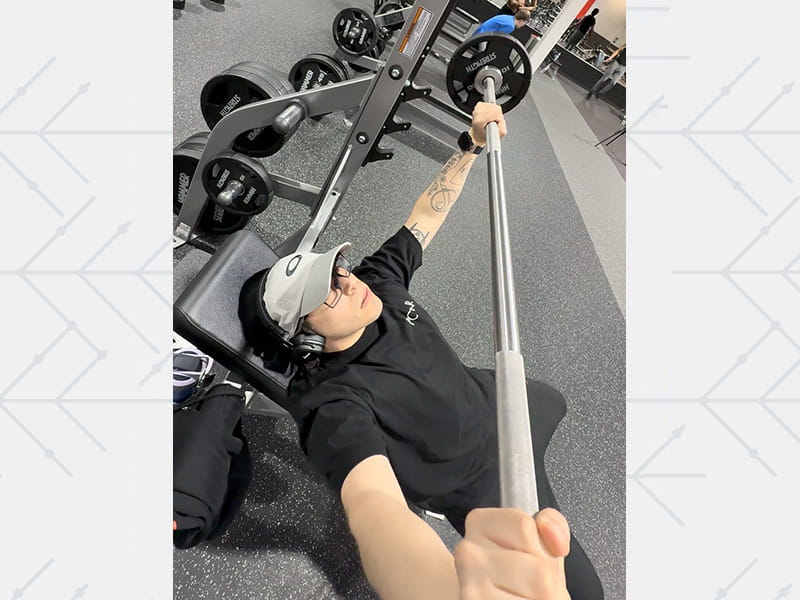
Brian Frausto joined his school’s track team in seventh grade because he liked to be active. But when he ran with the other boys, his breathing was shallow and his chest hurt. Once, when he tried running really fast, his vision blurred and he felt lightheaded.
He figured all that was normal, so he never mentioned it to anyone.
That summer, during a school health check, the nurse told Brian’s mother that something didn’t sound right when she listened to his heart.
A life-changing diagnosis
At a follow-up appointment with a cardiologist, Brian was diagnosed with hypertrophic cardiomyopathy, or HCM, a common genetic heart disease in which the walls of the heart muscle thicken and become stiff. That makes it harder for the heart to pump blood.
Many people with HCM live full, active lives while managing their condition with medication or implanted devices. It is a leading cause of sudden cardiac death in young athletes, in part because it often isn’t diagnosed soon enough. In that sense, Brian was lucky.
These days, most children diagnosed with HCM are encouraged to live as normal a life as possible while also managing the risks. When Brian was diagnosed, the guidelines were more restrictive.
“You can still play outside and have fun,” Brian’s doctor said. “But you can’t do sports in school anymore, and you can’t go to PE class.”
Trying to fit in while feeling different
Like most middle-schoolers, Brian just wanted to fit in with his peers. So he didn’t tell anyone about the medicine he took every morning to regulate his heartbeat. And he really didn’t want to be noticed the day he had to wear a portable heart monitor with electrodes stuck to his chest. Wires connected the electrodes to a small box that continuously recorded his heart activity.
But he wasn’t given a choice.
The wires stuck out of Brian’s shirt. Kids nicknamed him “cyborg” and “robot.” He tried not to let them know how much he felt like a misfit.
Finding confidence and acceptance at the skate park
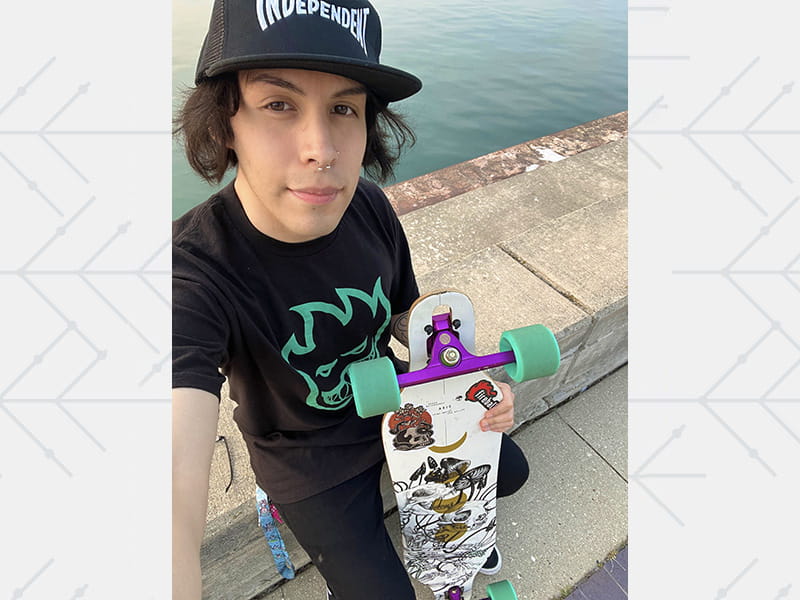
A year later, Brian got into skateboarding.
At first, he liked being able to spend hours at the skate park near his home, which was then in Illinois, without feeling any problems with his heart. Then, as his tricks became more creative and complex, he liked standing out – this time in a good way.
“Skating made me feel like me,” he said. “That was the one thing I could do and not feel left behind.”
Opening up – and being accepted
As a high school sophomore, Brian again had to wear a monitor one day. After school, he went to the skate park. Rather than try hiding the obvious, he told his friends, “I have a heart problem. The doctors want to see how my heart is working.”
Instead of calling him names, his skate buddies wanted to know how the device worked. So in addition to building his confidence, skating helped Brian become more comfortable being someone with a heart problem.
A family health history he didn’t know
Brian actually comes from a family of heart patients.
His oldest brother, Arthur, was diagnosed with HCM at age 15. Brian was 4 at the time.
Brian’s father knew heart disease ran in his family. Still, he didn’t get checked because he didn’t have any problems. Until he did.
Brian was in his early 20s when his dad had a pacemaker implanted to control his heart rhythm. At 22, Brian was told he needed something similar but more powerful – an implantable cardioverter-defibrillator. An ICD monitors heart rhythms and, if it detects a problem, it can deliver an electrical shock to restore a normal heartbeat.
Even then, Brian remained active. When he and his skating buddies left high school, Brian started going to a local arcade nearly every day to play a dance game. He felt strong and fit.
The next year, while watching a movie with his girlfriend, Brian felt his heart rate spike. Then he felt as if he was being kicked in the chest by a horse. His ICD had just delivered a shock.
Days later, Brian was diagnosed with heart failure. His heart muscle was too weak or too stiff to efficiently pump blood.
“No matter how well you take care of yourself, you can’t outrun genetics,” the doctor said.
A family facing heart disease together
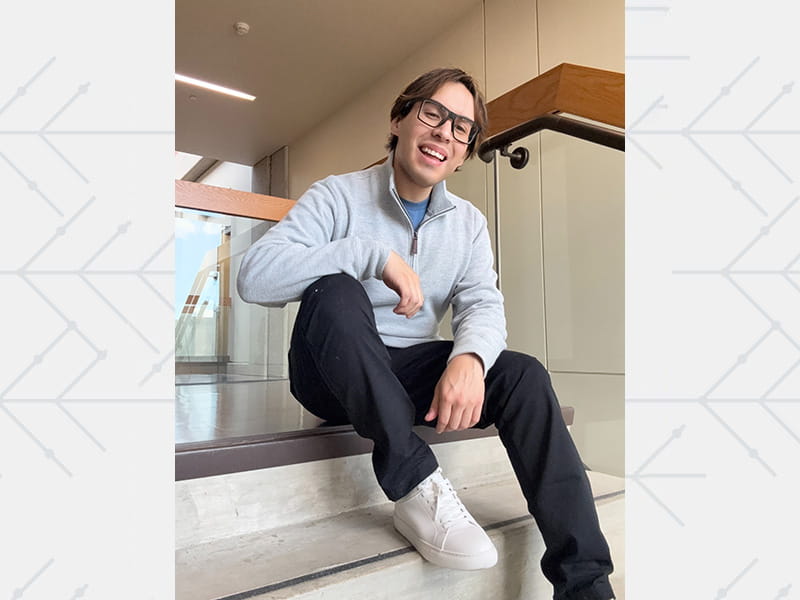
The following year, Brian’s father was diagnosed with severe heart failure and received a heart transplant.
A year after that, Arthur had a heart transplant. (Brian and Arthur have two other siblings; neither has any known heart issues.)
“Our family doesn’t pass down money. We give heart issues,” Arthur joked.
Fear, isolation and a turning point
As his dad and brother were starting post-transplant life, Brian learned he had coronary artery disease. Plaque had built up inside his coronary arteries, reducing blood flow.
Brian was 25. He spent the next two years afraid he may need a transplant – or worse. The fear manifested in a limited life: work, school and little else. No physical activity and hardly any socializing.
“I literally woke up one day and thought, ‘I’m tired of feeling like I’m being held back because of my heart,’” said Brian, who now lives in Racine, Wisconsin. “My body was telling me that there needs to be a change.”
Building strength – and a new outlook
Brian’s cardiologist suggested that he start with brisk walking. He bought new sneakers and hit the trail.
Two months later, he started strength training. He became more confident in his physical abilities and found a sunnier outlook on life.
Brian, who plays guitar, also found belonging and support in the straight-edge community, a subculture of hardcore punk where people choose not to drink, smoke or use recreational drugs. The scene has given him a positive outlet as he navigates his diagnosis.
For much of his 20s, Brian didn’t want to have kids because he didn’t want them to possibly have heart problems.
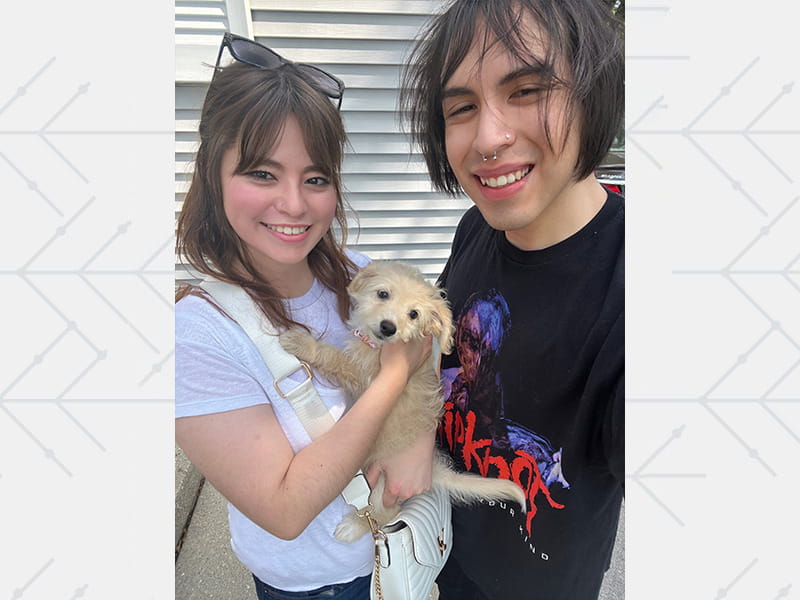
Now 29, and with a girlfriend of three years, he’s reconsidering.
He’s also learned to take pride in all he’s accomplished despite his health challenges.
“I work full time, I go to school, I show up for my life, even while living with a heart condition,” he said. “I feel respected because of how I lead my life.”
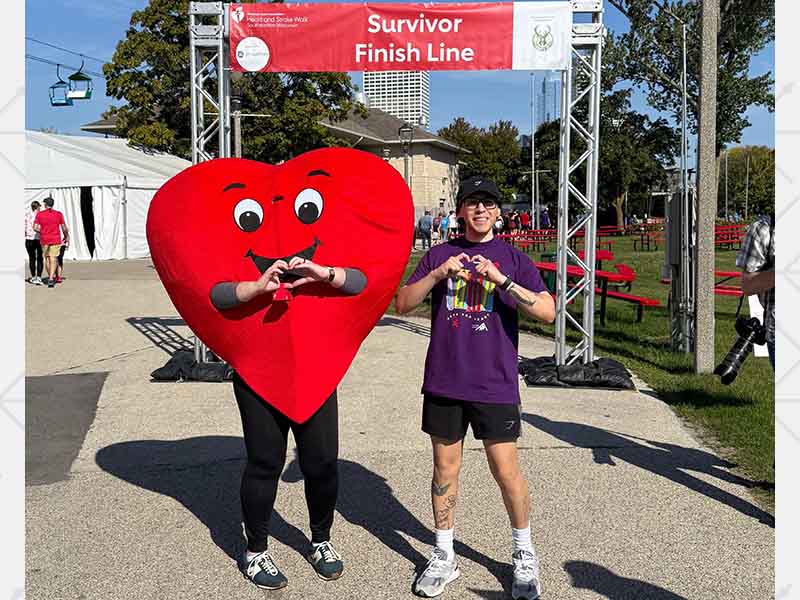
Stories From the Heart chronicles the inspiring journeys of heart disease and stroke survivors, caregivers and advocates.