What survivors and caregivers should know about stroke rehab
By American Heart Association


What to Know
- When should stroke rehab begin? A new guideline says it should start soon after a stroke and may improve recovery.
- Stroke rehabilitation may include physical, occupational, speech and cognitive therapies.
- Recovery can continue for years, and mental health, sleep, nutrition and exercise can help support progress.
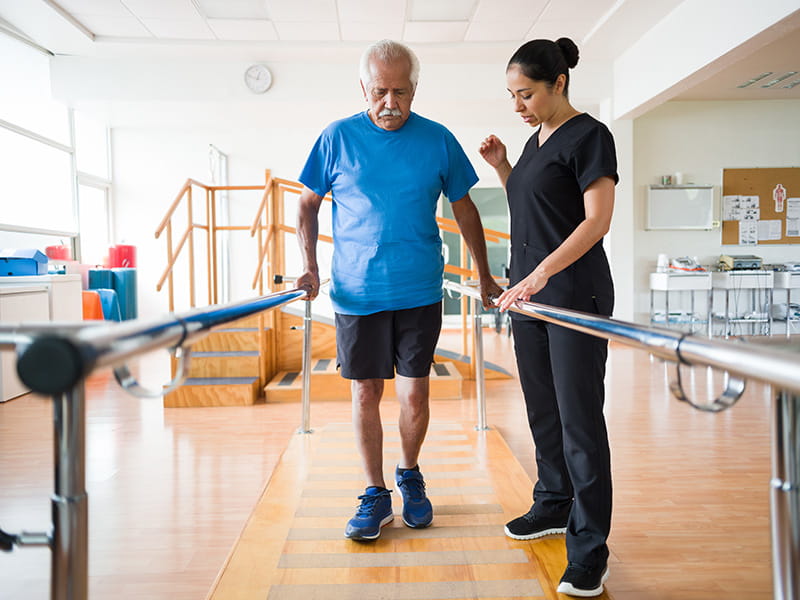
Every year, hundreds of thousands of people in the U.S. live through a stroke. Survivors may face challenges with walking, eating, speaking and other essential parts of life.
Rehabilitation helps with all of that.
“It can make all of the difference for stroke patients,” said Dr. Nicole Mazwi, director of stroke rehabilitation at the University of Washington in Seattle. And it’s about more than just helping improve thinking or physical abilities.
“First and foremost, rehab gives patients hope,” she said.
Mazwi was part of the committee that wrote an American Heart Association/American Stroke Association guideline on adult stroke rehabilitation and recovery that was published in August in the journal Stroke.
These days, rehab can take many forms, said Dr. Lorie Richards, an associate professor in the department of occupational and recreational therapies at the University of Utah in Salt Lake City.
In some forms, rehabilitation is trying to help rewire pathways in the brain, said Richards, who led the group that wrote the guideline. “We try to make your arm work better. We try to have you walk better. We try to get your language better so you can talk and communicate with people.”
In other forms, rehab is about learning to use tools that help someone adapt, she said: An occupational therapist might train someone with arm weakness on how to use a cutting board with spikes that hold food in place so a meal can be prepared with one hand.
Rehabilitation can also mean finding alternatives. A stroke survivor who enjoyed rock climbing might not be able to scale a cliff – but they might work with a recreational therapist to learn forms of adaptive skiing so they can still spend active time in the mountains.
“What we are really concerned with in rehabilitation is your ability to function and do the activities you want to do,” Richards said.
The guideline, last updated in 2016, is filled with research-backed advice for healthcare professionals, but survivors and caregivers can benefit from these takeaways.
Stroke rehab can start within days
When Mazwi was a medical student in the 2000s, rehab usually started after someone had been discharged from the hospital. Now, she said, it might begin as early as the day after a stroke.
“In the best-case scenario, patients can start rehabilitation after Day 1,” if they are medically stable, Mazwi said.
“Acute stroke rehabilitation” refers to rehab done during the first week after a stroke. In this early phase, rehab might mean getting a patient to sit up in bed and practice brushing their teeth or washing their face, Richards said. Or it might include stretching to keep an arm limber.
It’s an important phase for the patients and caregivers to learn about what the stroke has done – and what possibilities lie ahead, Mazwi said.
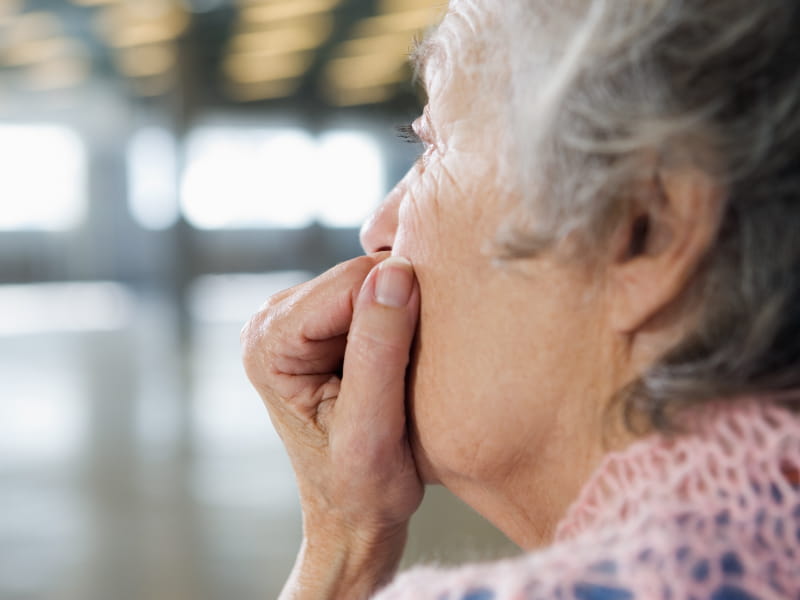
Mental health is essential during recovery
For years, mental health was “highly under-addressed in post-stroke rehabilitation,” Richards said. The guideline discusses its importance.
Adjusting to post-stroke life can involve grieving for the old, she said. “It's very natural that a person who's had a stroke might have depression,” Richards said. “They’ve had a major crisis. They’re going to be different than they were.”
But depression and anxiety can reduce a stroke survivor’s willingness to engage in rehab work, she said. It can also affect their loved ones. “Stroke doesn’t just happen to the individual,” she said. “It happens to the family unit they’re in.”
Experts have many ways to help, but more research is needed to understand how best to assess and treat post-stroke depression and anxiety, Richards said. “We don't know as much about how to treat post-stroke depression as we do in the general population.”
Why sleep is important to stroke recovery
Stroke survivors often have sleep disorders or poor sleep quality. The guideline added a section on the importance of addressing such problems and poststroke fatigue.
Stroke can disrupt sleep in many ways, Mazwi said. “It can range from classic insomnia to sleep apnea or diagnoses like excessive daytime sleepiness and restless leg syndrome.”
That can have a range of effects, she said. Lack of sleep can affect thinking and memory. It affects mood, which could affect whether someone wants to participate in therapy.
Sleep also is vital for learning, Mazwi said. If you learn something in therapy to help rewire your brain in the morning, that night your brain is working to tighten those wires.
The guideline says treatment options to help stroke patients sleep are limited, but the first step is to screen for trouble, Mazwi said, “because patients don’t always recognize it themselves.”
How can stroke rehab help with thinking and memory?
“Cognitive rehabilitation focuses on functions such as attention, memory, problem-solving skills, and information processing,” Mazwi said. “As you can imagine, it is quite complex, but it’s incredibly important for patients.”
A mail carrier, for instance, whose work requires organizational skills might be given tasks that involve detail-oriented activities like sorting a week’s worth of pills into a pill box, she said.
Technology is playing an increasing role in rehabilitation for thinking and memory problems after stroke, she said, “particularly technology that is paired very closely with a specific task or goal in mind.”
An accountant who wants to return to work after a stroke, for example, might practice math and problem-solving exercises online.
Rehabilitation also can offer alternate ways to deal with an impairment, Richards said. Someone who has memory problems, for example, might be taught how to make lists on their phone.

Why nutrition and exercise matter
The guideline emphasizes the need for physical activity and healthy eating as part of rehabilitation.
Physical activity is a good way to reduce the risk of another stroke, Richards said. More than that, “some studies have suggested that physical activity, aerobic exercise in particular, can help improve cognition.”
Early in recovery, stroke survivors are at risk of being malnourished, particularly if they have trouble swallowing, Richards said. “That’s why you usually have a dietitian on the team.”
Mazwi said rehabilitation is an opportunity to embrace new habits that can help a survivor feel their best while doing everything they can to prevent a second stroke.
“And that's really what stroke recovery is about – stepping into this new life and moving forward with purpose and a healthy perspective,” she said.
Stroke rehabilitation can make a difference
The world of neurorecovery, Mazwi said, “is just brimming with promise.”
Early rehabilitation work is crucial, Richards said, because in the month after a stroke, genes get turned on that increase the brain’s plasticity, or flexibility – almost to how it is in childhood.
The recovery process can be slow. People make most of their gains in motor skills in the first three months, Richards said. Language and cognition improvements can go on for much longer.
But Mazwi said the past decade has seen a fundamental shift in understanding survivors’ capacity for recovery.
Adult brains are more flexible than once thought, she said, meaning patients can continue to see improvements decades after a stroke. “We now understand, better than we ever have, that there isn’t an expiration date on one's potential for recovery.”
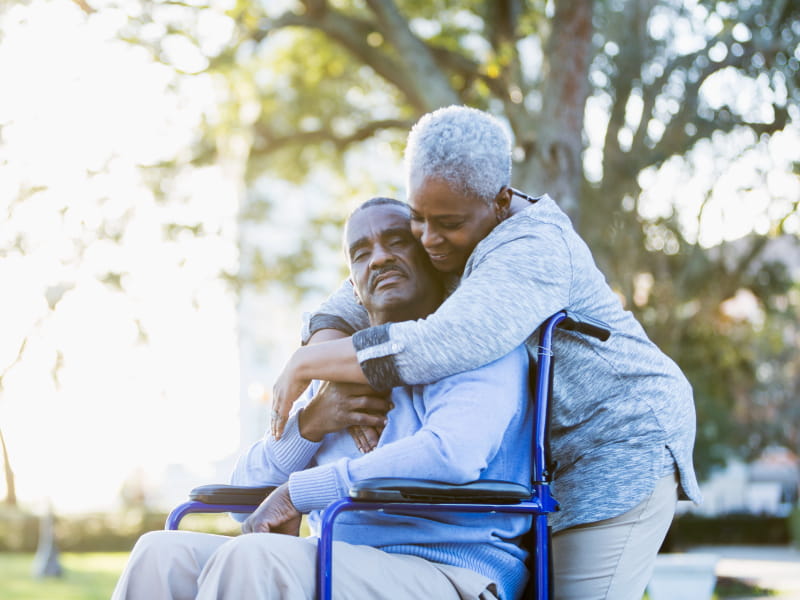
Why stroke rehab is a team effort – and a lifelong process
Stroke rehabilitation can involve all kinds of experts – neurologists, nurses, occupational therapists, speech-language pathologists, psychologists and more.
That makes rehabilitation a time for patients and caregivers to educate themselves, Mazwi said.
“My No. 1 recommendation for patients as they start on this journey of stroke rehabilitation and recovery is to remember that they have an entire team behind them,” she said.
Take advantage of that team, she urged. “We aren't here to tell patients what to do in a prescriptive way and then send them off. We're really here to partner, because this is a lifelong process.”
Recovery doesn't have to be a journey you take alone. Join an upcoming House Calls Stroke Meetup to connect with stroke survivors, care partners and experts who understand the challenges and opportunities of life after stroke. Sign up to attend the next meetup.
The American Heart Association’s Support Network also offers a chance to connect, share and heal with others affected by stroke.