“Big Picture” Holistic Estate and Life Care Planning
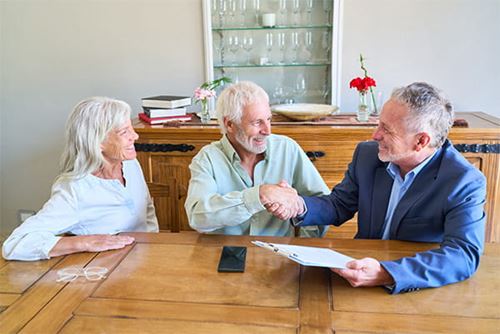 Estate planning has traditionally centered on a familiar question: What will happen to a client’s assets when they die? Today, that question remains important, but it is no longer sufficient. Longer lives, rising care needs and increasingly complex family circumstances require advisors to consider another possibility: What happens if a client becomes ill or incapacitated but continues living for many years?
A holistic approach to planning addresses both questions. It helps clients retain control of their property while they are able, prepare for periods of incapacity, provide for the people they care about and ultimately pass assets according to their wishes. It also creates an opportunity to connect financial and legal planning with the values, relationships and charitable priorities that give those assets meaning.
Planning for Life, Not Just Death
A comprehensive estate plan is more than a collection of signed documents. It is an evolving strategy shaped by a client’s goals, concerns and most important relationships. Wills, trusts and powers of attorney memorialize the plan, but they are not, by themselves, the entire plan. As a client’s health, family and financial circumstances change, the strategy should be revisited accordingly.
This distinction matters because incapacity can affect nearly every aspect of a client’s life. A serious illness, injury or cognitive decline may leave the client unable to manage accounts, communicate healthcare preferences or make timely decisions about housing and care. Without clear instructions and properly authorized decision-makers, families can face delayed medical decisions, restricted access to finances and potentially costly court proceedings.
Foundational planning tools may include:
- A financial power of attorney authorizing a trusted individual to manage financial and legal matters.
- A healthcare power of attorney identifying who can make medical decisions.
- An advance directive documenting the client’s wishes regarding treatment and end-of-life care.
- A revocable living trust providing continuity in the management of trust assets.
- An updated will and properly coordinated beneficiary designations governing the transfer of assets at death.
The appropriate documents and provisions will vary by client and jurisdiction. The larger objective, however, remains consistent: Make the client’s wishes clear before a crisis occurs.
Expanding the Conversation to Aging and Care
Traditional estate planning often emphasizes the transfer of wealth. A more holistic approach also considers how clients intend to live, receive care and maintain as much autonomy as possible as they age or experience illness.
Addressing these issues may require coordination among the client’s existing legal, financial, tax and healthcare professionals, as well as family members or other trusted decision-makers. The objective is not to prescribe a particular planning model or service. It is to ensure that legal documents, financial resources, care preferences and family responsibilities work together rather than being considered in isolation.
For advisors, several questions can help clients begin thinking more broadly:
- Who should make financial and healthcare decisions if the client cannot?
- Where would the client prefer to receive care?
- Which family members or professionals will coordinate that care?
- How will care expenses affect the client’s retirement and estate objectives?
- Are the client’s legal documents sufficiently detailed to support long-term care and public-benefit planning?
- Do family members understand their respective roles and responsibilities?
These conversations are most productive before an emergency. Advance planning gives clients greater participation in the process and allows their professional team to identify potential gaps in documents, resources, housing arrangements and family communication.
Create an Instruction Manual for the Future
One of the most practical additions to an estate plan is an instruction manual for the people who may eventually carry it out. This may take the form of provisions within legal documents, a memorandum of intent, a letter of wishes or a separate letter of instruction.
The manual can explain not only what the client owns, but also how the client wants decisions to be made. Useful information may include:
- The client’s values and personal mission.
- The names and contact information of financial, legal and healthcare professionals.
- A financial inventory listing accounts, investments, real estate and liabilities.
- The location of essential documents and secure digital information.
- Healthcare, housing and long-term care preferences.
- The intended roles of agents, trustees and family members.
- Funeral, memorial and charitable wishes.
- Instructions for meaningful personal property and family keepsakes.
The purpose is not to anticipate every possible situation. It is to provide enough clarity that family members and fiduciaries can act consistently with the client’s priorities. Clear guidance can also reduce confusion and conflict during an already difficult time.
Connect Generosity to the Overall Plan
Charitable planning should not be treated as an isolated conversation at the end of the estate-planning process. For many clients, generosity is closely connected to family history, personal values, faith, community and the legacy they hope to leave.
My friends Ruth and Eli demonstrated this connection in a memorable way. Throughout her life, Ruth collected coupons and donated the savings to charitable organizations. After her death, proceeds from the sale of the family farm were also distributed among charities. Their generosity was not simply a final transaction. It was a disciplined expression of how they had chosen to live.
Advisors can help clients develop a similarly intentional approach by beginning with four steps:
- Clarify motivation. What causes, communities or experiences matter most to the client?
- Develop a strategy. How will the client’s time, talents, relationships and financial resources support those priorities now and in the future? Implement lifetime and estate giving strategies that enable clients to witness their impact now and inspire others through lasting legacies.
- Evaluate charitable partners. Which organizations demonstrate alignment, effectiveness and financial sustainability?
- Review and adapt. How will the client and charitable organizations define success, evaluate progress and refine the approach over time? For estate gifts, encourage clients to notify charitable beneficiaries about their future gift intentions to strengthen relationships and transparency with those organizations.
Once the client’s objectives are understood, the advisory team can help evaluate an appropriate giving structure. Depending on the client’s circumstances, potential strategies may include outright lifetime or testamentary gifts, donor advised funds, charitable remainder trusts, charitable lead trusts, gifts of appreciated assets or qualified charitable distributions.
The chosen vehicle should complement, rather than compete with, the client’s retirement, care, tax and family goals.
The Advisor’s Role in Seeing the Whole Picture
No single professional can address every dimension of aging, incapacity, wealth transfer and philanthropy. Financial advisors, attorneys, accountants, healthcare advocates and charitable planning professionals each bring a different perspective.
This approach brings together estate planning attorneys, financial advisors, accountants, healthcare professionals, care coordinators and family members. A trust may organize assets, but someone must understand how those assets will support care. A power of attorney may grant authority, but the appointed person still needs meaningful guidance. A charitable gift may provide tax advantages, but its lasting value comes from its connection to the client’s purpose.
Holistic planning brings these pieces together. It prepares clients not only for what happens when they die, but also for how they want to live, whom they want to protect and what they want their resources to accomplish.
About the Author
 P. Glen Smith, J.D., M.Div.
Attorney & Founder | Lifescape Elder Care Law & Estate Planning, LLC
After a successful corporate career, Glen founded Lifescape Elder Care Law & Estate Planning, where he focuses on elder law, estate planning, special needs planning and long-term care planning. An accredited attorney with the Veterans Administration, he helps clients navigate complex legal, financial and care-planning decisions and is active in organizations dedicated to serving older adults and their families.
The opinions expressed in this article are solely those of the author and do not reflect the views or endorsements of the American Heart Association. The Association does not endorse or assume responsibility for any information or opinions presented in this article.


