
 American Heart Association
 48 Hours Only: Triple Your Gift
Time is running out to have your gift TRIPLE MATCHED, up to $50,000, to support programs like our Nation of Lifesavers movement to turn bystanders into lifesavers through CPR.

Move More. Stress Less.

Regular physical activity benefits you in so many ways – and it’s easier than you might think to make it a habit. Working small, positive steps into your daily life can help you build a healthier routine.
Ready to Tackle Spring Cleaning?

Tidying up the home has more health-related twists than you might expect. Experts offer a laundry list of ways health and household chores are linked.
Scientific Sessions 2024 – Submit Your Science

Cardiovascular science and medicine professionals, submit your best scientific discoveries. Don’t miss the opportunity to give your findings the global spotlight at Scientific Sessions 2024 this November 16-18 in Chicago, IL. Be part of AHA’s Centennial program and put your science at the forefront of our 100-year celebration.
The AHA Turns 100
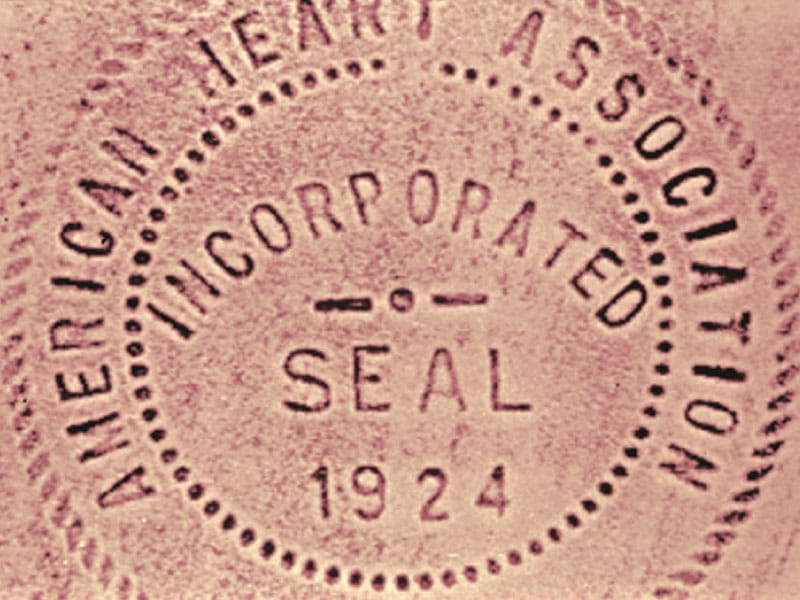
For 100 years, the American Heart Association, along with our volunteers, supporters and collaborating organizations, has worked to build longer, healthier lives. And there’s no letting up in the next 100 years as we remain devoted to a future of health and hope for everyone, everywhere.
Join 100 Ways In 100 Days
To celebrate our 100-year anniversary, we have a gift for you! Join our FREE, exclusive program to get an email each week for the next 100 days providing you with valuable health tips on eating better, moving more, and improving overall wellbeing.
Make 2024 your best year yet!

Spring into Healthier Eating
Spring is in the air. Whether you're snacking on-the-go or cooking dinner for the family, there's a heart-healthy recipe to pair with a sunny afternoon on the patio or a rainy evening at home.
News and Stories
Helpful information about your health
Read more from AHA News 


Award winner learned about community service at young age
Reginald Robinson, a board-certified cardiologist at MedStar Washington Hospital Center and past president of the Eastern States Board of the American Heart Association, is the AHA's 2024 Physician of the Year.Your Support Helps Save Lives
There are so many ways to give. Make a gift in a way that is meaningful for you.
Join us for a Heart Walk in your area
Heart Walk is the American Heart Association's premiere event for raising funds to help save lives from heart disease and stroke.